Global
  English
 中文简体
中文简体 русский
 Español
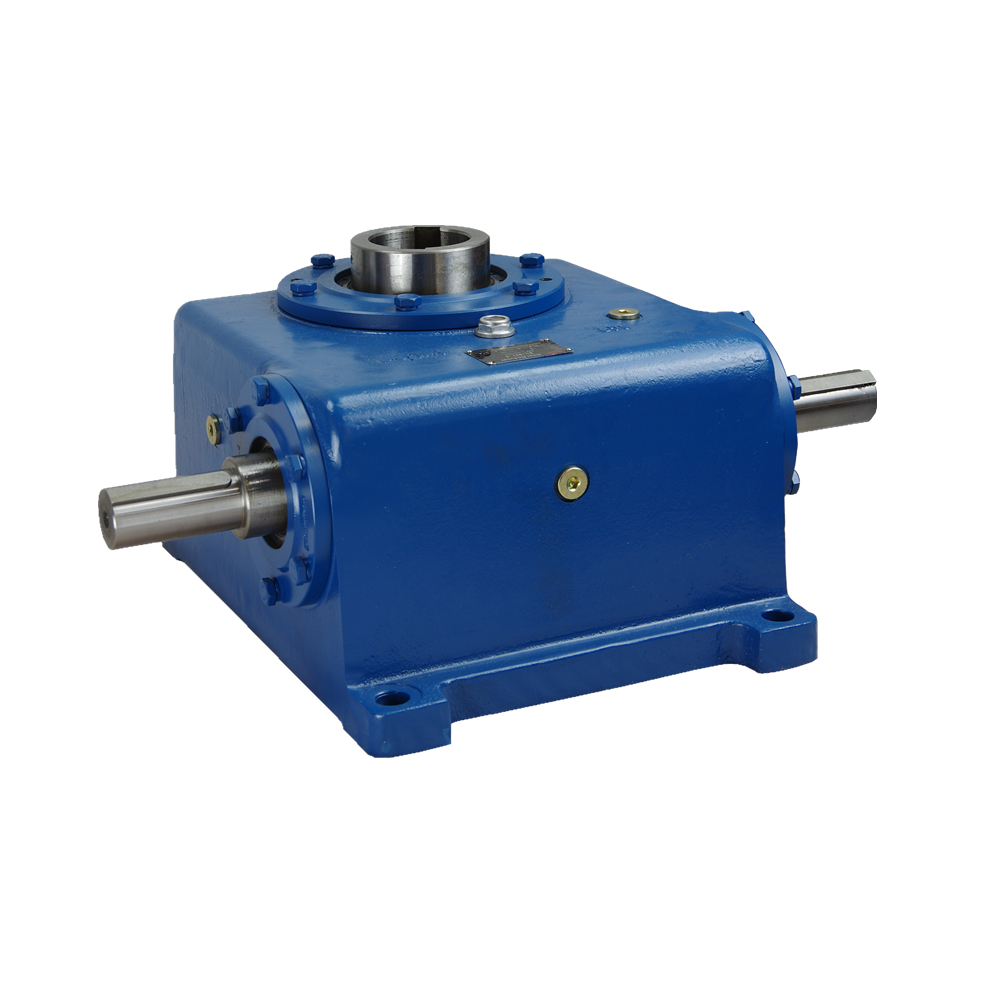
Center distance: 100~710 mm Speed ratio: i ≥ 10. Design modularization, specification serialization,...
See Details
News Directory
In the high-stakes environment of heavy industrial transmission, selecting the correct gear configuration is pivotal for operational uptime and energy efficiency. The Cylindrical Reducer remains a cornerstone of mechanical power transmission, offering high load-carrying capacity and durability. Shanghai SGR Heavy Industry Machinery Co., Ltd., a recognized high-tech enterprise in Shanghai, has dedicated over a decade to the field of gear transmission. Our R&D team, comprising PhDs and senior engineers, focuses on modular, standardized designs with low vibration and low noise. This engineering analysis explores the industrial Cylindrical Reducer applications that differentiate single-stage from multi-stage units, providing a Cylindrical Reducer technical specification overview for heavy machinery engineers.
The fundamental distinction between configurations lies in the achievable reduction ratio. A single-stage Cylindrical Reducer is typically limited to ratios between 1.6 and 6.3 to prevent excessive gear diameters and maintain a compact housing. In contrast, multi-stage Cylindrical Reducer efficiency is leveraged when ratios exceeding 10 are required, utilizing a series of gear pairs to distribute the load. While a single-stage unit offers a simpler mechanical path, choosing between single and multi-stage reducers often comes down to the required output speed. Multi-stage units allow for higher reduction within a smaller volumetric footprint, adhering to the industry trend toward compact design. Furthermore, understanding how a Cylindrical Reducer works in heavy industry involves analyzing how these stages manage peripheral speeds and lubrication requirements.
| Configuration Attribute | Single-Stage Reducer | Multi-Stage Reducer (Double/Triple) |
| Typical Ratio Range | 1.6 : 1 to 6.3 : 1 | 10 : 1 up to 250 : 1+ |
| Mechanical Complexity | Low (2 gears, 2 shafts) | High (4+ gears, 3+ shafts) |
| Output Torque Density | Moderate | Extremely High |
Efficiency is a critical Cylindrical Reducer maintenance tip; every additional gear mesh introduces a frictional loss of approximately 1% to 2%. Consequently, single-stage vs multi-stage gear efficiency favors the single-stage configuration, which often operates at 98% efficiency. However, in heavy machinery, the heat generated by a single-stage unit under extreme torque can be difficult to manage. High torque Cylindrical Reducer for mining often utilizes a multi-stage approach to distribute heat across several gear sets and bearings. At SGR, we utilize advanced CNC profiling and 3D measuring machines to ensure our helical cylindrical gear reducer design minimizes parasitic losses and noise. For engineers, calculating Cylindrical Reducer efficiency must account for both mesh losses and oil churning at high speeds.
| Operational Parameter | Single-Stage Performance | Multi-Stage Performance |
| Standard Efficiency | ~98% - 99% | ~94% - 96% (Stage dependent) |
| Heat Concentration | High (Focused on one mesh) | Distributed (Across multiple stages) |
| Vibration and Noise | Moderate to High at high speeds | Lower (Modular profile grinding) |
Selecting the best Cylindrical Reducer for cement plants or steel rolling mills depends on the duty cycle and shock load characteristics. Single-stage units are frequently found in conveyor drives where high speeds are prevalent. Conversely, a heavy duty Cylindrical Reducer for steel mills typically requires the multi-stage configuration to handle the massive inertia of moving metal slabs. Customized Cylindrical Reducer for special machinery often incorporates specialized gear profiles optimized via our Planar Double-Enveloping Worm Gear Optimization Design System. This ensures that even in multi-stage setups, the Cylindrical Reducer vibration and noise reduction meets the most stringent industrial standards.
The choice between single-stage and multi-stage Cylindrical Reducer configurations is a balance of ratio requirements, efficiency targets, and spatial constraints. While single-stage units provide unmatched efficiency for low-reduction tasks, multi-stage configurations are the workhorses of the high-torque industrial world. Shanghai SGR Heavy Industry Machinery Co., Ltd. continues to lead with innovation, leveraging PhD-led research and domestically innovated measuring instruments to provide high-tech gear solutions that define the industry trend.
Specifications typically include the input power (kW), output torque (Nm), service factor, and gear ratio. For heavy machinery, a service factor above 1.5 is often required to handle peak loads.
High vibration leads to premature bearing failure and gear tooth fatigue. Our modular designs focus on low vibration to extend the lifecycle of the transmission system.
Cylindrical reducers use parallel shafts and are generally easier to maintain and cool, whereas planetary gearboxes offer higher torque density in a more complex, compact package.
They are widely used in belt conveyors, crushers, rolling mills, agitators, and any heavy machinery requiring a reliable speed reduction and torque increase.
Yes, SGR specializes in high-tech product conversion, allowing us to design custom gear transmission systems based on specific linkage grinding and enveloping worm gear technologies.
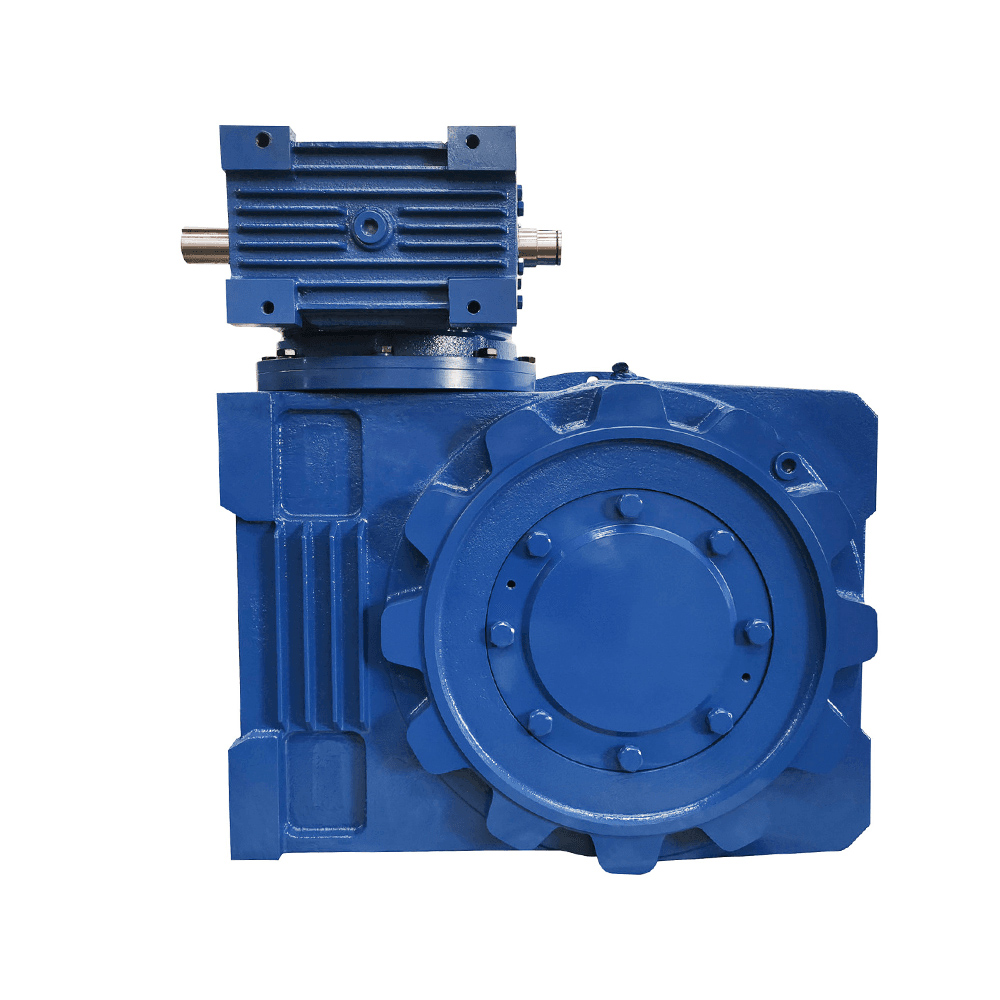
Center distance: 100~710 mm Speed ratio: i ≥ 10. Design modularization, specification serialization,...
See Details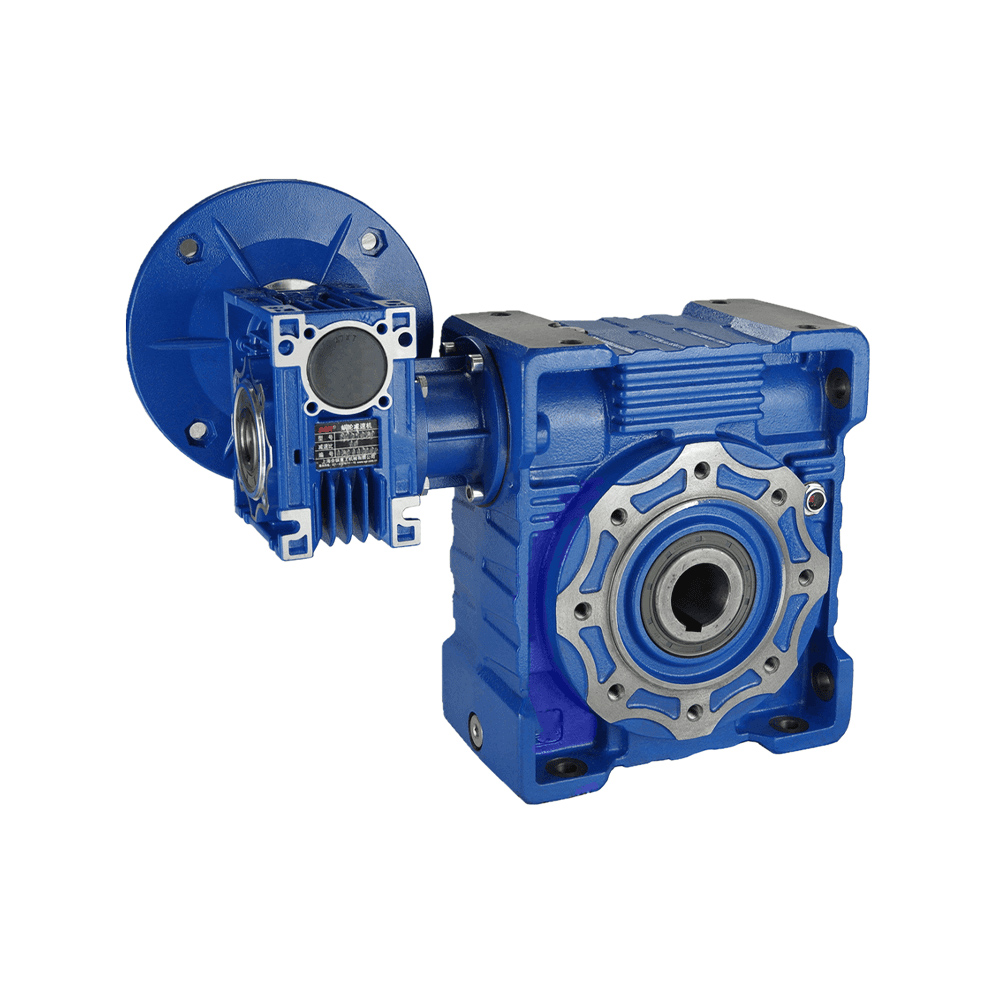
SGR develops and manufactures specialized worm gear reducers for logistics machinery attachments. T...
See Details
SGR develops and manufactures specialized worm gear reducers for logistics machinery attachments. T...
See Details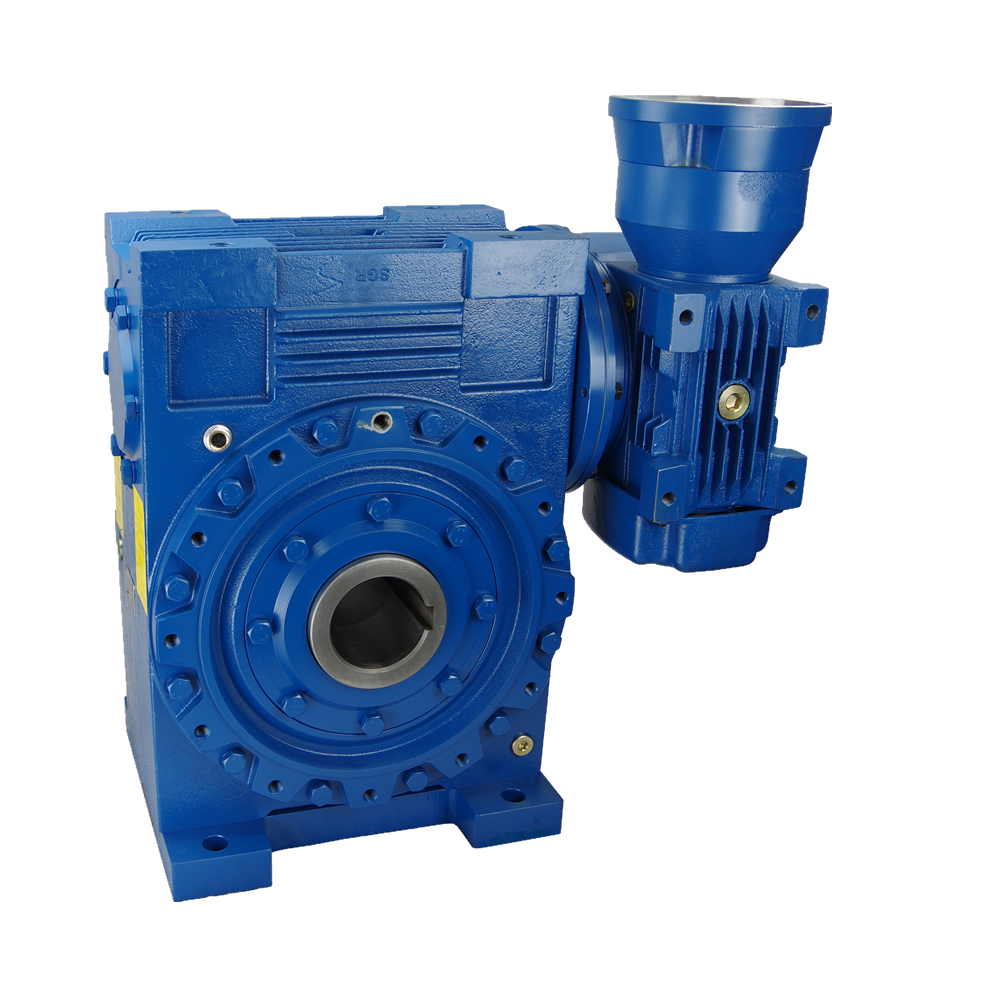
Product Description Series C double enveloping worm gearModel: 100 - 500Ratio: 10 -63Output Torque ...
See Details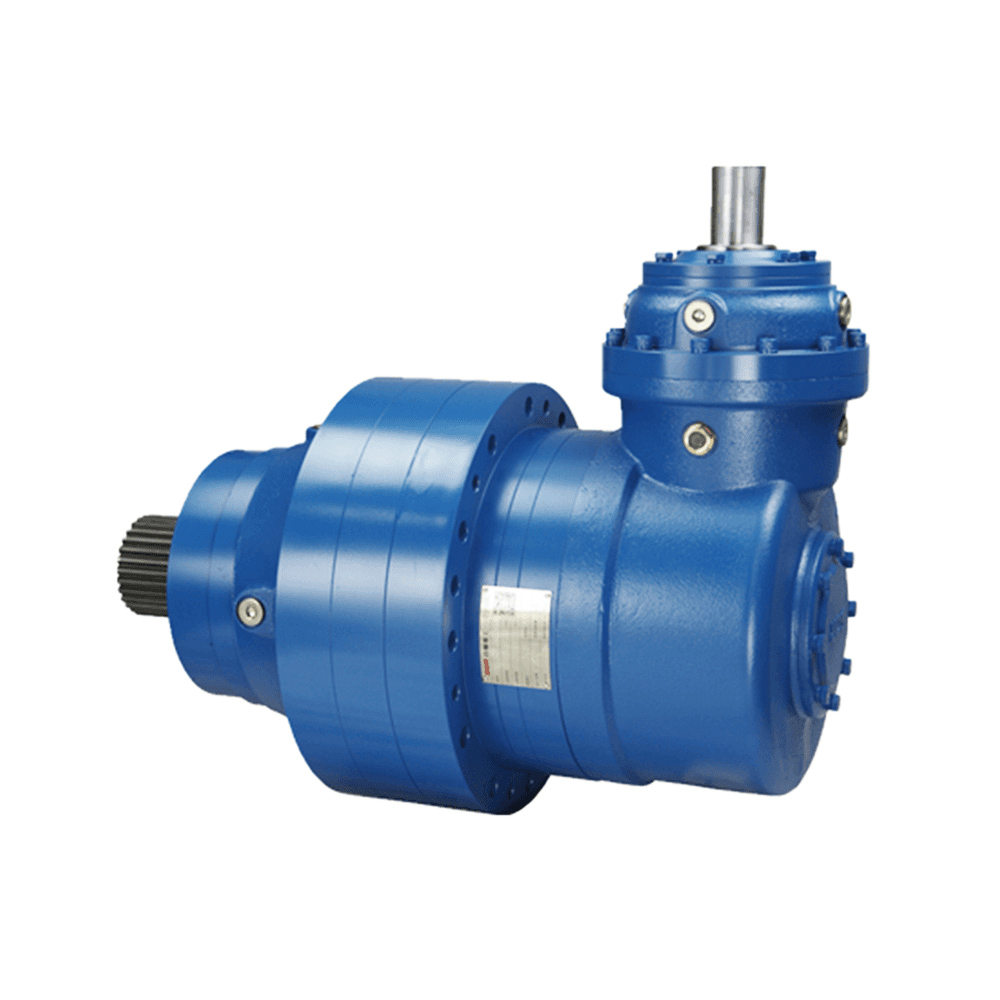
Product Info: The MNC3E400 series high speed and high torque industrial planetary gear reducers are ...
See Details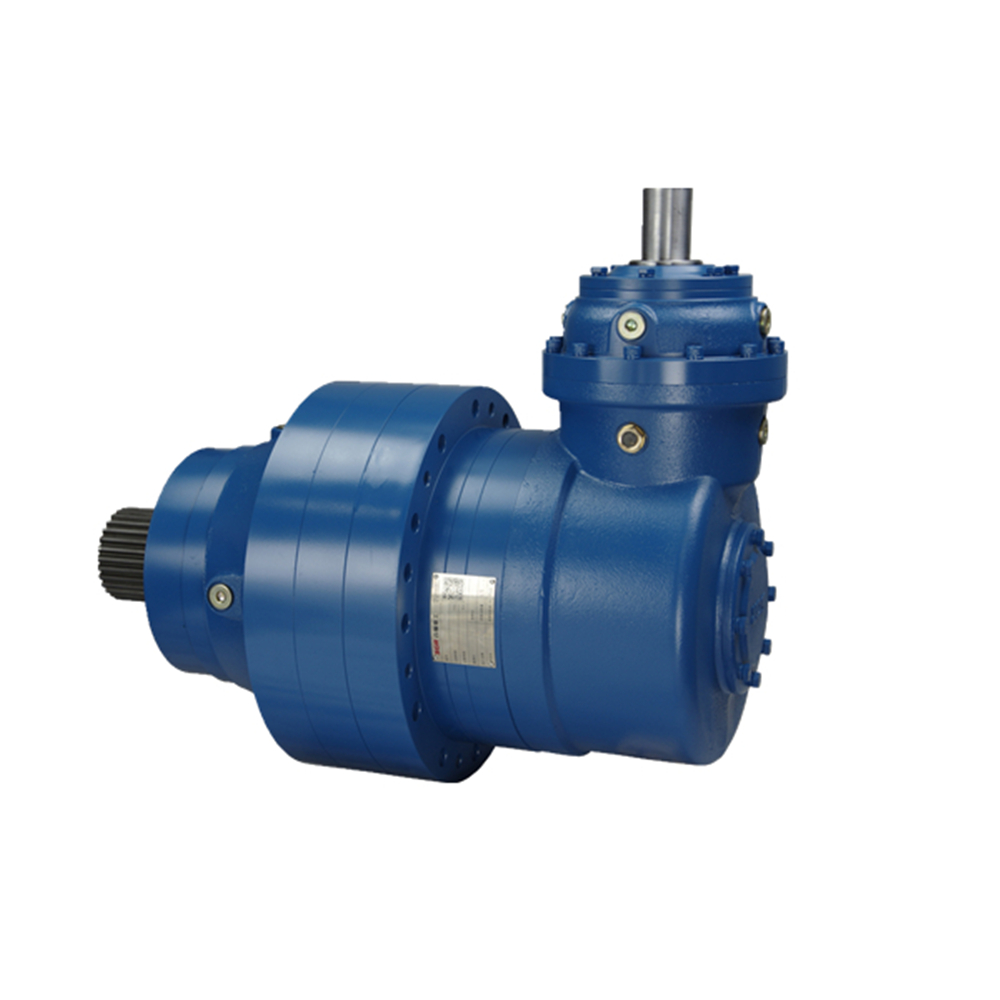
Technical data: 1. Ratio range: 3.15-30002. Input power: 0.25-55KW3. Permit torque rang: ≤ 200000N. ...
See Details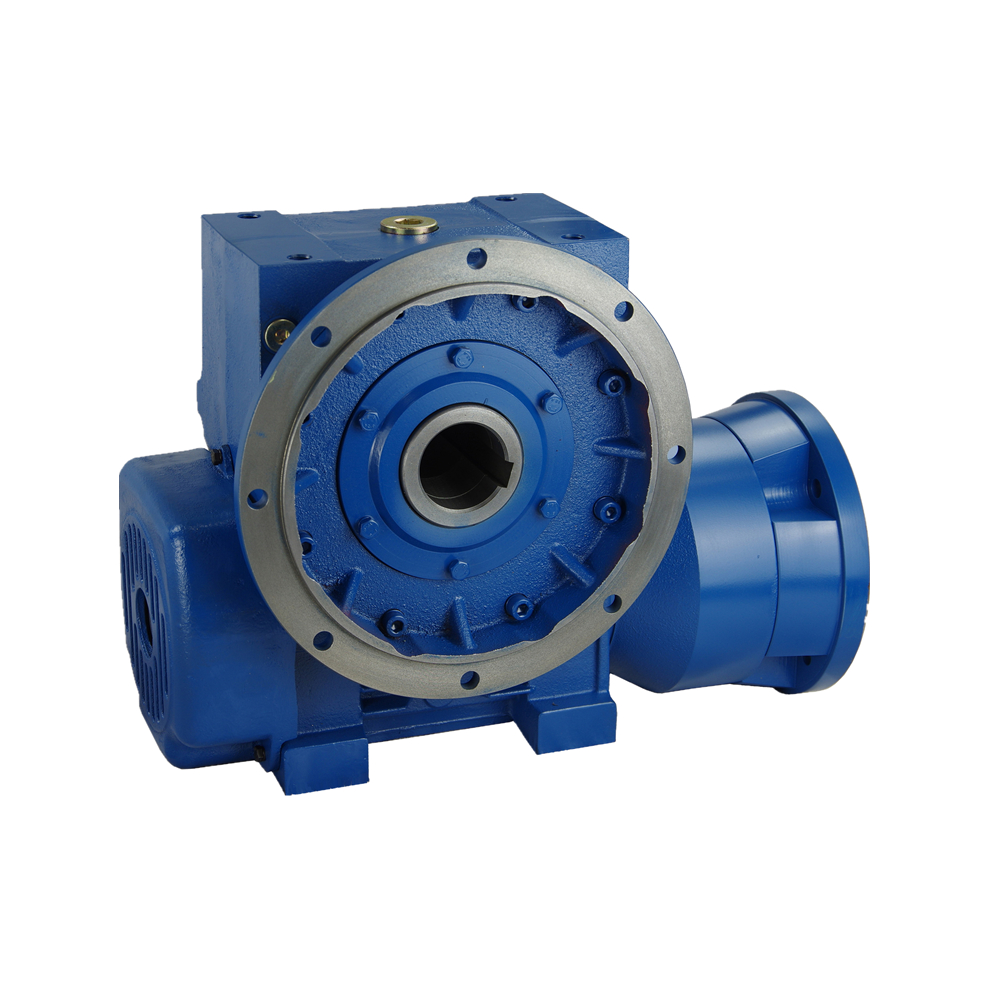
Product Description Series C double enveloping worm gearModel: 100 - 500Ratio: 10 -63Output Torque ...
See Details
SGR is an ISO 9001 certified, DNV-accredited industry gearbox manufacturer since 1996. We supply different gear reducers to brands worldwide.