Global
  English
 中文简体
中文简体 русский
 Español
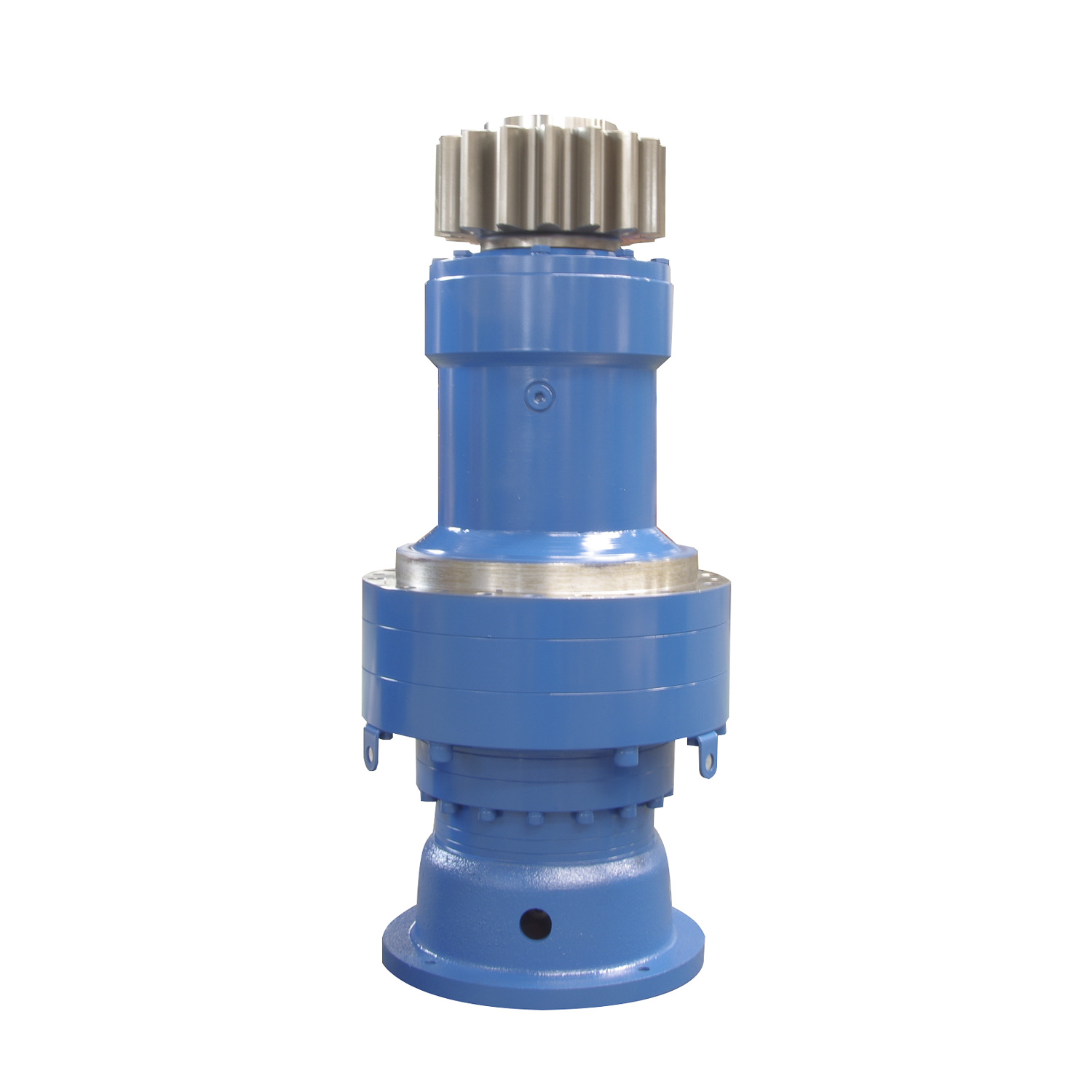
Product Info: The MNC3E400 series high speed and high torque industrial planetary gear reducers are ...
See Details
News Directory
A custom gearbox is engineered around a specific shaft layout, load profile, and mounting envelope. That precision is exactly why its failure modes are so specific. When a custom unit runs hot, weeps oil, or starts whining, the cause is almost never a single worn part. It is usually a mismatch between the real operating conditions and the assumptions made during design and selection. This article covers the most common problems with custom gearboxes, the engineering behind each one, and the solutions that Shanghai SGR Heavy Industry Machinery Co., Ltd. (SGR) engineers use in the field.
Most custom gearbox failures trace back to four root causes: insufficient thermal capacity, lubrication breakdown, shaft misalignment, and tooth load concentration. Custom gearboxes are compact by definition. Space constraints reduce housing surface area, which limits heat dissipation. A one-off design may also skip the validation loop that catalog products go through. The installed environment seldom matches the selection data sheet, especially when the unit runs at variable speed or with frequent reversing.
Overheating in a custom gearbox is almost always a thermal capacity problem, not a lubrication problem. A smaller housing means less surface area to reject heat to the atmosphere. If the design margin was calculated for a cooler ambient and the unit sits near a furnace or in direct sun, the oil will overheat. Churning losses rise with overfilling, and a high oil level increases the workload on the gear set.
Oil leakage in custom gearboxes is most commonly caused by pressure buildup in the housing, worn shaft seals, or an incorrect oil path, not by a defective seal. Blocked vent plugs are a frequent cause. Internal pressure rises and pushes oil past even a brand-new seal. A rough or scratched shaft journal also damages the lip of the seal. In dusty environments, abrasive particles embed in the seal lip and cause scoring.
For specific leakage cases, see this detailed guide on how to deal with reducer oil leakage.
Rising noise or vibration in a custom gearbox after commissioning is a symptom of changed load distribution, not normal wear. High-frequency whine usually points to tooth profile or contact issues. A low-frequency rumble often comes from bearing wear or a deforming housing. Backlash that increases gradually is normal wear; backlash that appears suddenly suggests a broken tooth or a loose gear retaining nut.
For a deeper look, read about how to solve the excessive noise of gear reducers.
Pitting and flank wear on custom gearbox teeth are load concentration problems, not material failures. When tooth contact is concentrated at the edge or one corner, the local stress exceeds the yield point and pitting starts at exactly the same spot on every tooth. Shock loads, vibrating loads, or peak starting torque that exceeds the design duty cycle accelerate this process. A lubrication film that constantly breaks down at low speed also leads to premature flank wear.
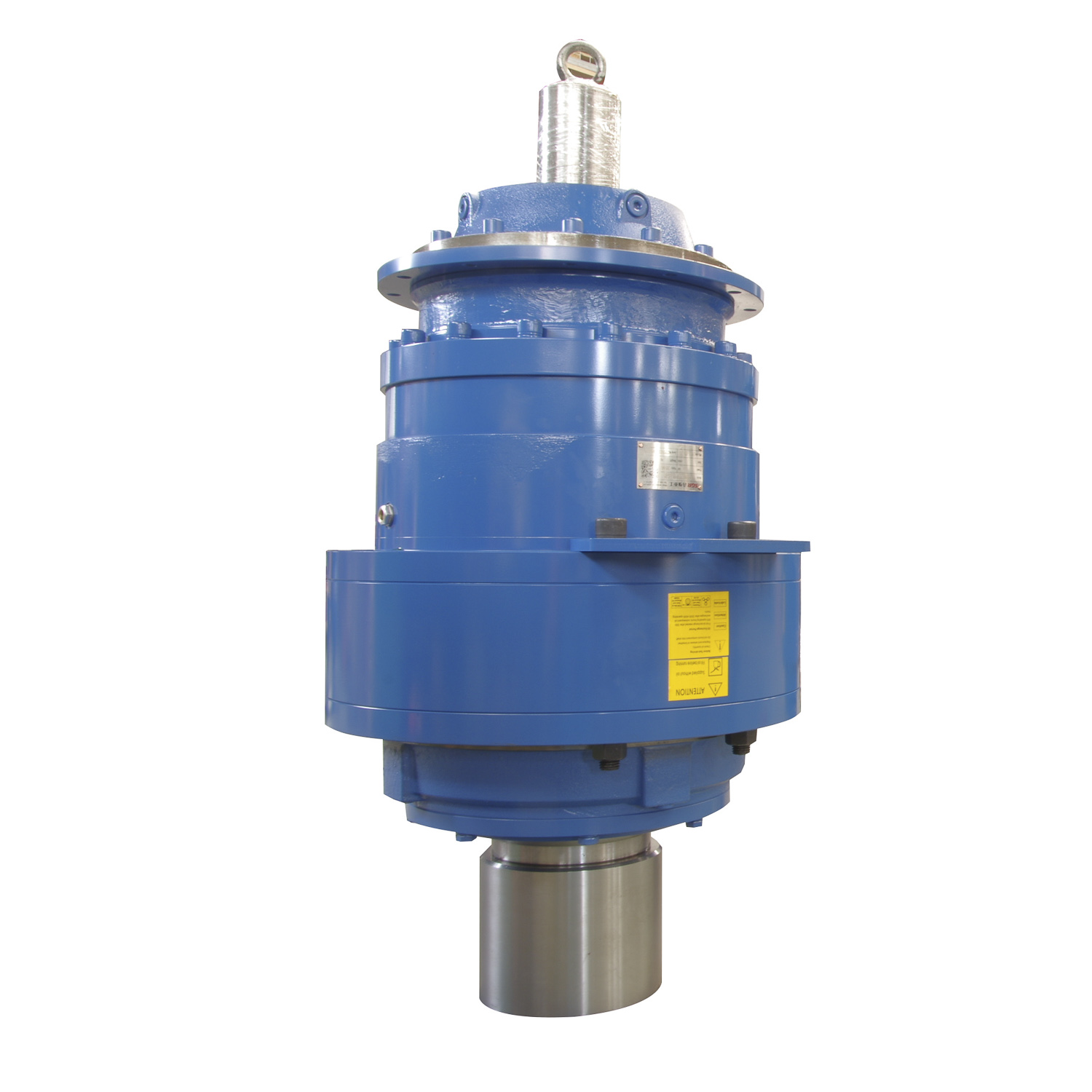 Planetary Gear Reducer with High TorqueSGR high torque planetary gearboxView Product →
A structured diagnosis prevents unnecessary disassembly. Use this sequence when a custom gearbox shows a problem.
| Symptom | Root Cause | First Action |
| High temperature | Insufficient heat dissipation | Check oil level, clean vent, measure load |
| Oil weeping | Pressure buildup or seal damage | Clean breather, inspect seal journal |
| Noise and vibration | Misalignment or tooth contact | Check alignment, inspect contact pattern |
| Metal chips in oil | Tooth wear or bearing spall | Oil analysis, disassemble for inspection |
The most reliable custom gearbox is one designed with thermal margin, correct load data, and a proven base architecture. SGR approaches custom gearbox projects by validating the load profile before quoting. The company brings over a decade of gear transmission experience, a R&D team with doctoral and senior engineers, and in-house testing including a gearbox power and efficiency test rig. That combination reduces the risk that a custom unit becomes a prototype that never stops failing.
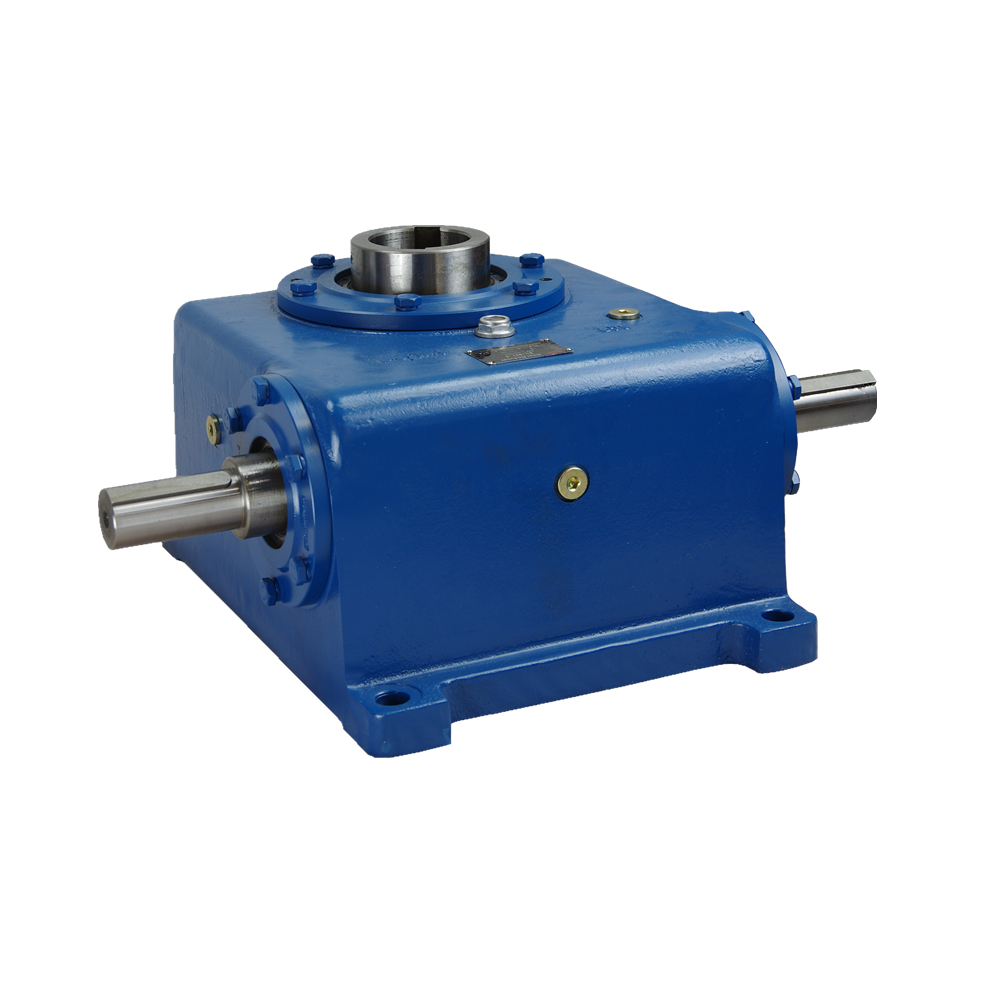 Double Enveloping Gearbox for Efficient Power TransmissionOutput Torque : 683 - 51180 N.mView Product →
Normal production quality control includes three-coordinate measurement machines and a toroidal worm and hob measuring instrument. These tools verify tooth geometry before assembly, not after.
Answers to the questions maintenance teams ask most often after a custom gearbox failure.
A correctly designed and maintained custom gearbox typically runs between 20,000 and 40,000 hours, depending on the duty cycle, lubrication schedule, and average operating temperature.
If the housing and gear teeth are undamaged, replacing the seals and checking the vent system usually solves the leakage. Pitted or cracked gears require replacement.
Oil temperatures above 90 degrees Celsius are a red flag for most industrial gearboxes, even with synthetic lubricants. At that point, stop the unit and investigate the thermal path.
Perform oil analysis annually, check the oil level monthly on continuous-duty units, and change the oil every 4,000 to 6,000 operating hours.
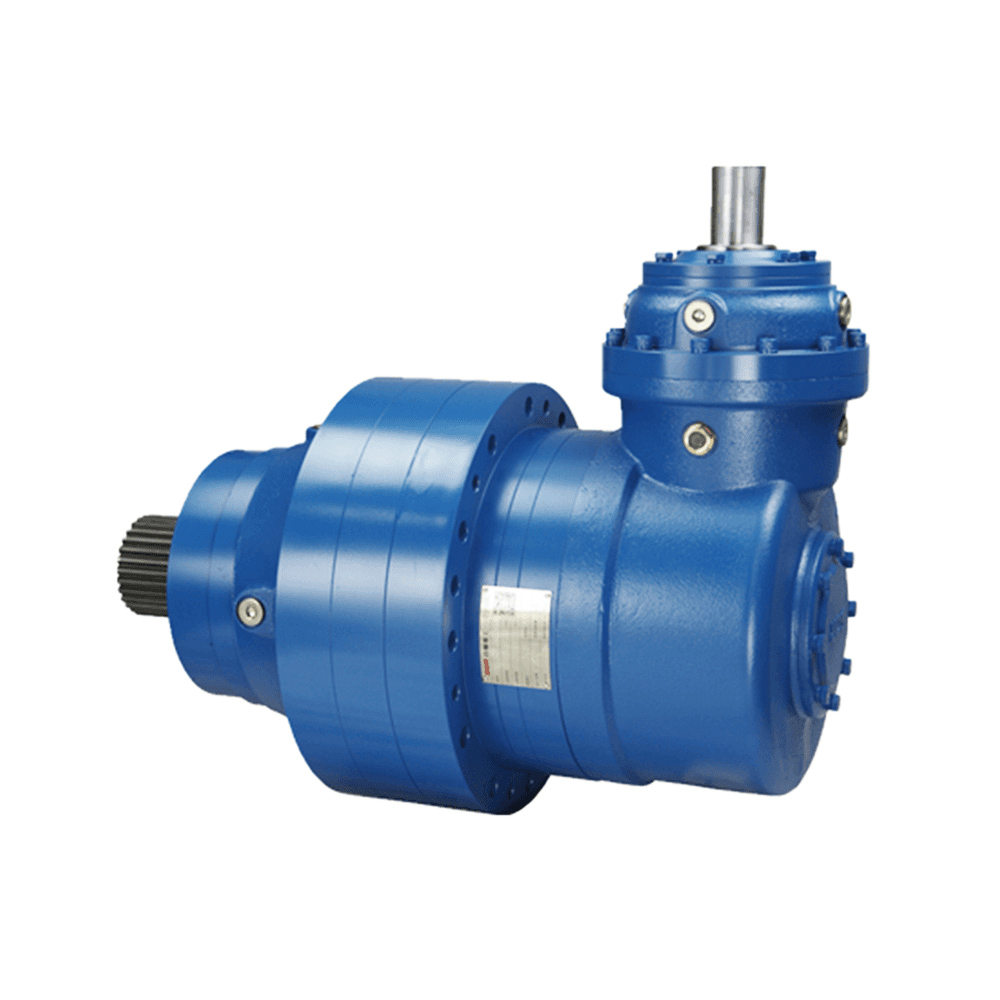
Product Info: The MNC3E400 series high speed and high torque industrial planetary gear reducers are ...
See Details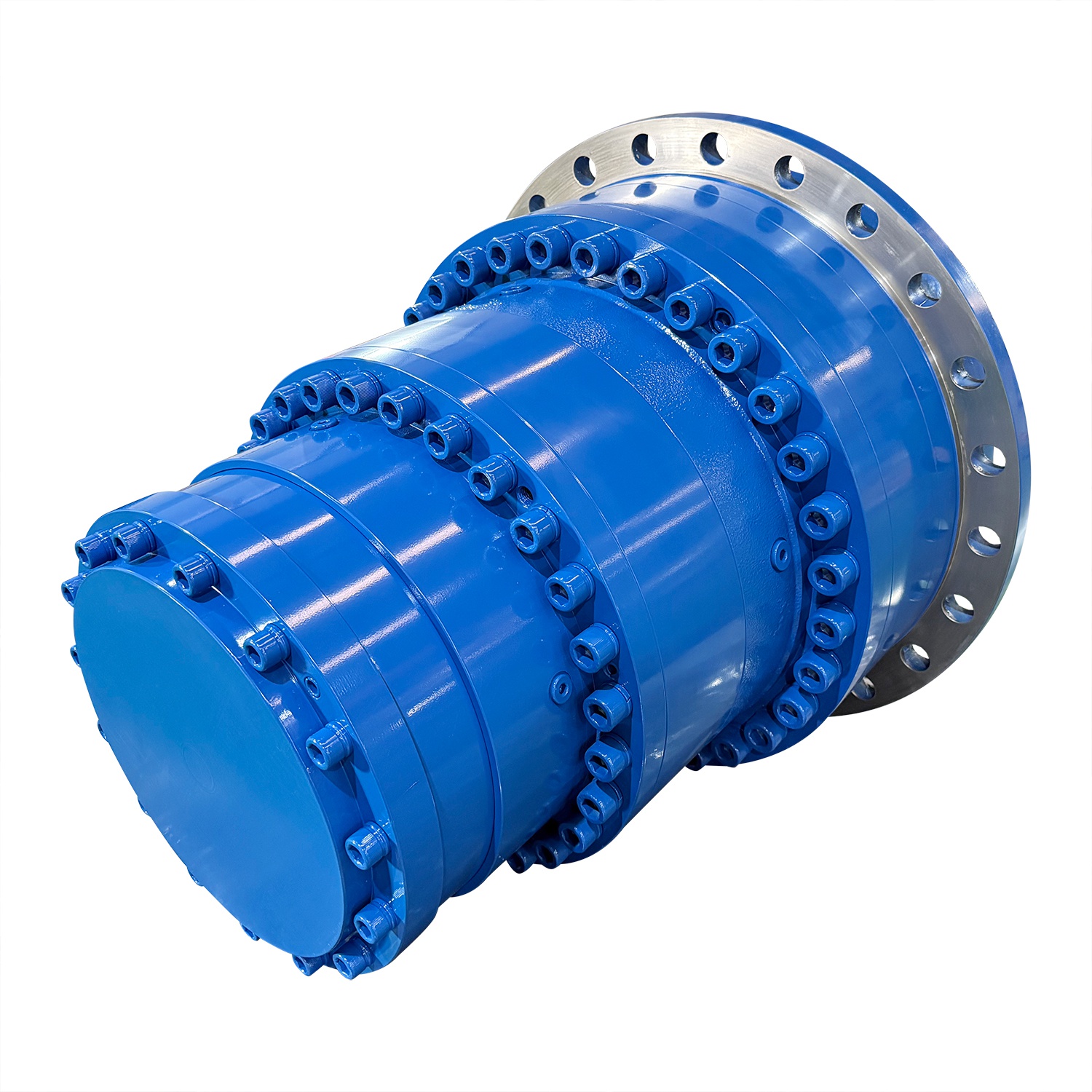
Planetary gear reducers serve as key transmission parts for sightseeing boats sailing along Russia’s...
See Details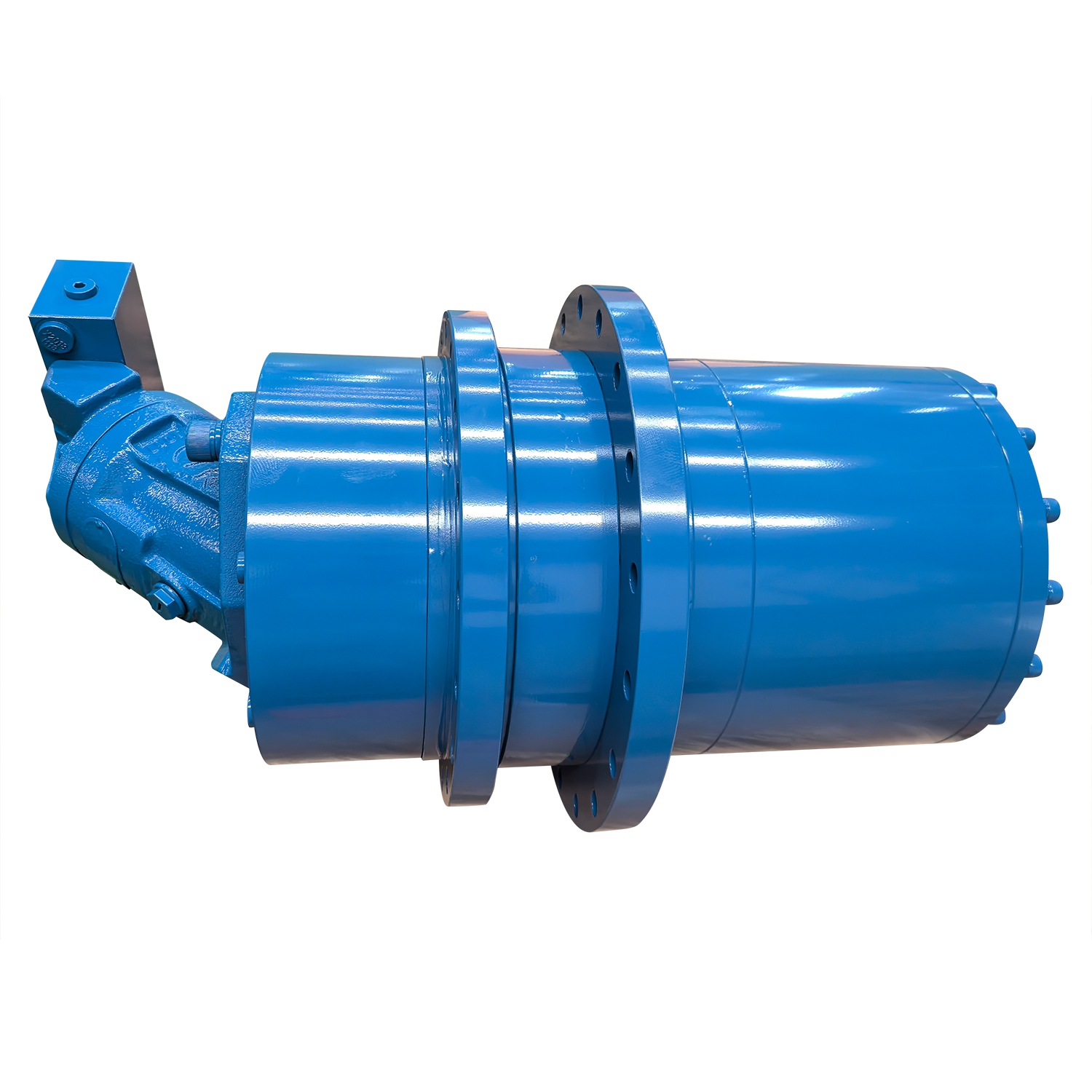
Model: 200-885 Ratio: 3.15-7800 Output Torque :1500Nm-540000Nm Rating Power :0.25KW-200kw Descripti...
See Details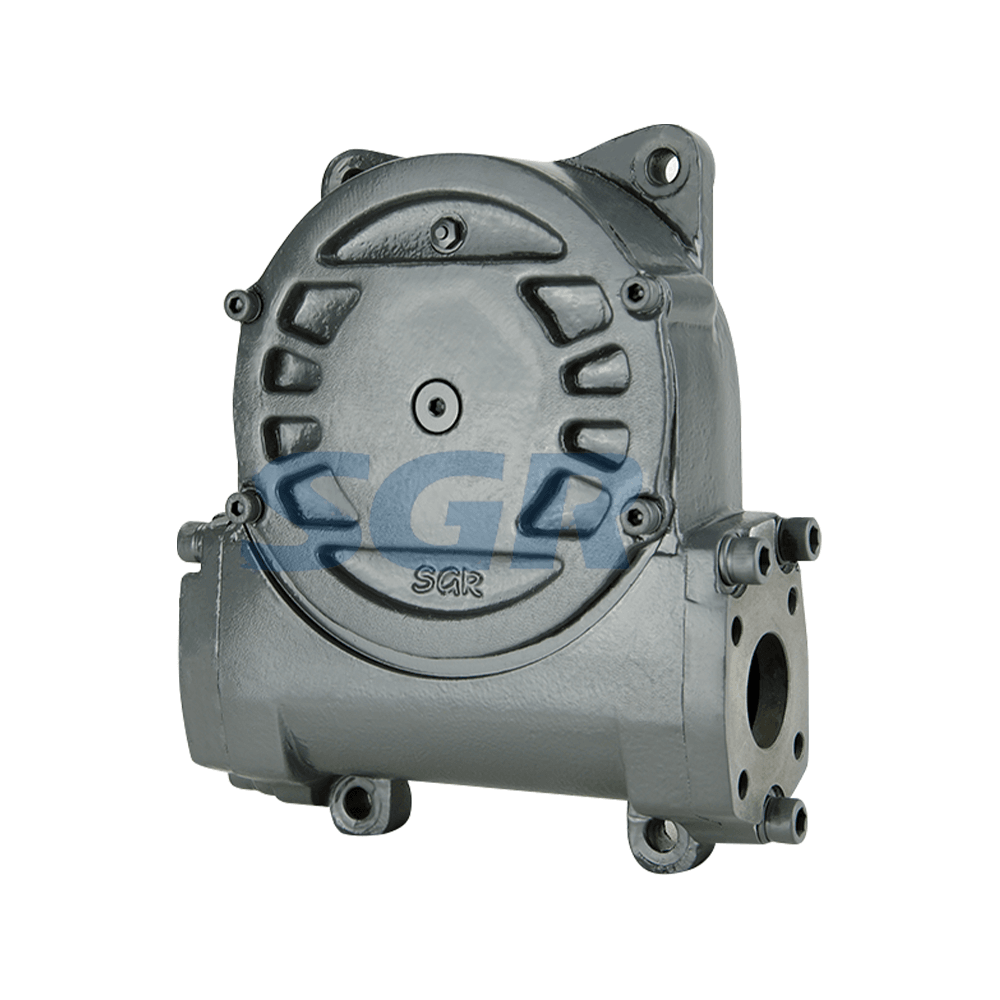
SGR develops and manufactures specialized worm gear reducers for logistics machinery attachments. T...
See Details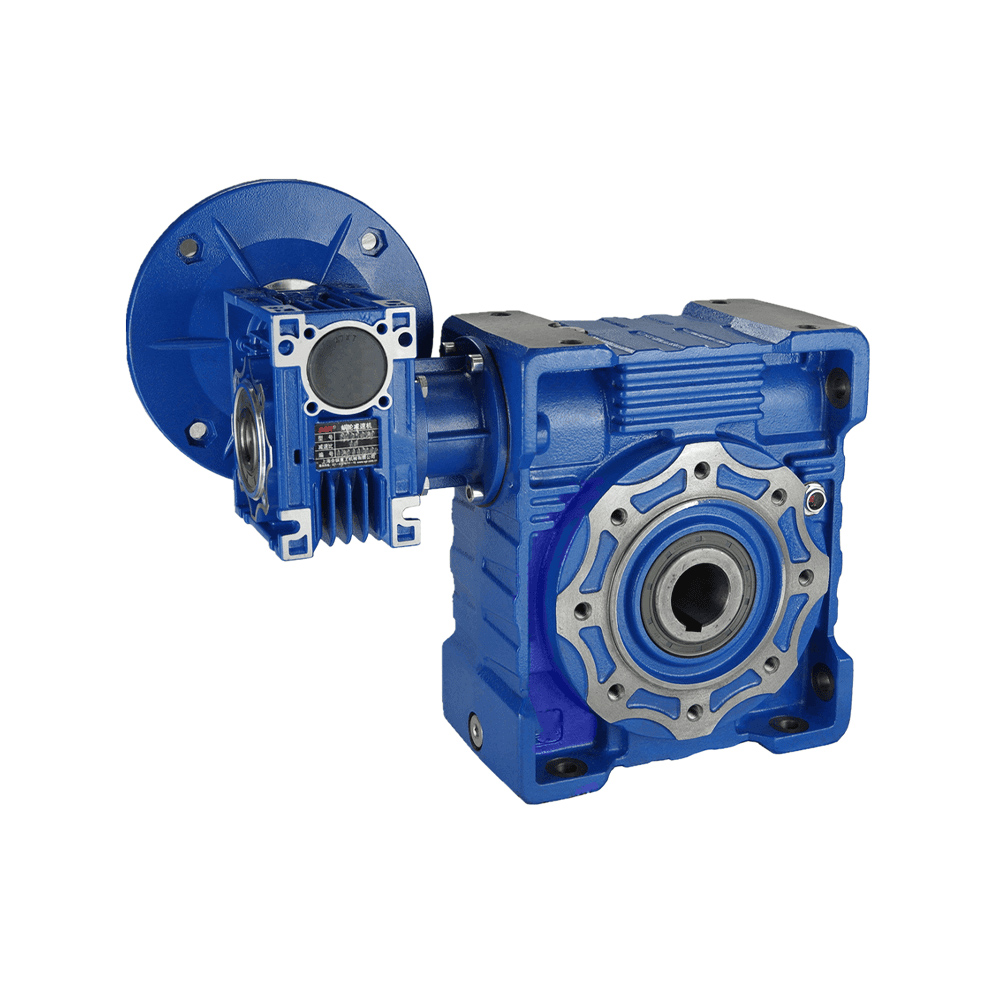
SGR develops and manufactures specialized worm gear reducers for logistics machinery attachments. T...
See Details
Facing the stringent requirements of the pharmaceutical, food, chemical, and electronics industries ...
See Details
SGR is an ISO 9001 certified, DNV-accredited industry gearbox manufacturer since 1996. We supply different gear reducers to brands worldwide.