Global
 English
 中文简体
 русский
 Español
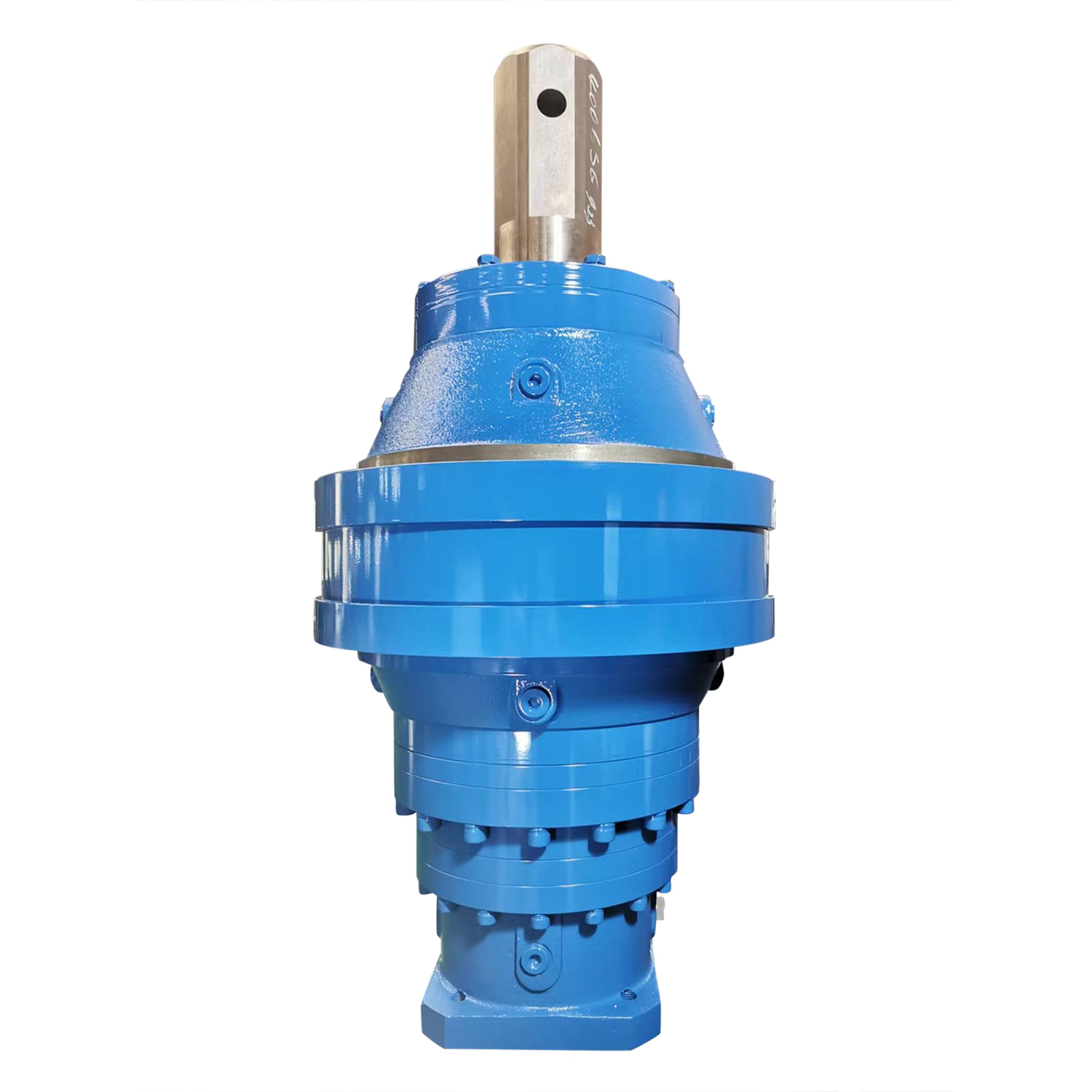
Model: 200-885Ratio: 3.15-7800Output Torque :1500Nm-540000NmRating Power :0.25KW-200kwDescription : ...
See Details
News Directory
Planetary gearboxes are essential components in modern mechanical transmission systems. They are widely used in wind power equipment, mining machinery, heavy construction equipment, agricultural machinery, marine auxiliary systems, and industrial production lines. Their performance directly affects equipment efficiency, operational reliability, load capacity, and service life.
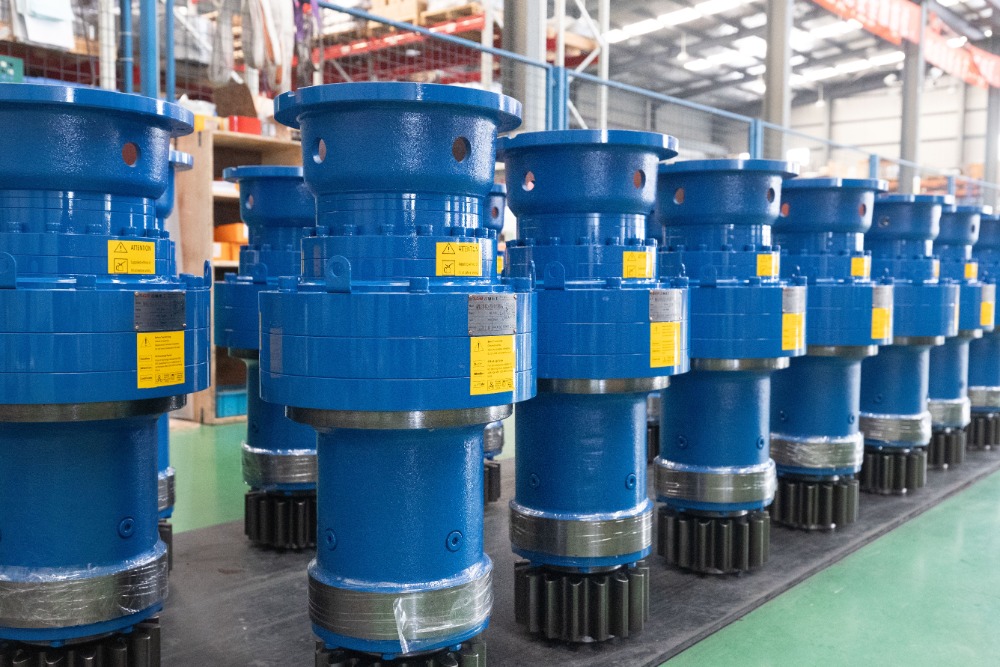
For many years, industrial planetary gearboxes from Germany, Italy, the United States, and other established manufacturing countries have been widely used in demanding industrial applications. However, China’s industrial transmission industry has made substantial progress in materials engineering, heat treatment, precision gear machining, and manufacturing capabilities.
As a result, Chinese planetary gearbox manufacturers are becoming increasingly competitive alternatives to international suppliers. By combining mature manufacturing capabilities, well-developed supply chains, flexible customization, and competitive costs, Chinese manufacturers are expanding their presence in the global industrial gearbox market.
For equipment manufacturers and industrial buyers, this shift creates more options when selecting planetary gearboxes for new equipment, production upgrades, and imported gearbox replacement projects.
An industrial planetary gearbox uses the interaction of planetary gears to transmit power, reduce rotational speed, and increase output torque. It converts high-speed, low-torque input into the lower-speed, higher-torque output required by industrial machinery.
Based on the number of reduction stages, planetary gearboxes can generally be divided into single-stage and multi-stage designs.
A single-stage planetary gearbox features a relatively simple transmission structure and typically offers high mechanical efficiency. It is suitable for applications that require a moderate reduction ratio, compact dimensions, and reliable torque transmission.
Typical applications include industrial machinery, auxiliary drive systems, and equipment with standardized transmission requirements.
Multi-stage planetary gearboxes combine two or more reduction stages to achieve higher overall reduction ratios and lower output speeds. They are commonly used in heavy-duty equipment that requires high torque, substantial load capacity, or specific output-speed characteristics.
Depending on the design, multi-stage planetary gearboxes can be configured to meet the requirements of demanding industrial applications, including mining equipment, heavy construction machinery, drilling systems, and lifting mechanisms.
When selecting a planetary gearbox, engineers should consider more than the reduction ratio alone. Rated output torque, peak load, operating speed, duty cycle, installation space, thermal performance, and service conditions are also important selection factors.
The development of China’s planetary gearbox industry has progressed over several decades. Since the 1960s, Chinese manufacturers and research institutions have worked on planetary transmission technology. Industry standards and manufacturing capabilities subsequently developed, supporting broader domestic production.
In recent years, improvements in machining accuracy, material processing, production equipment, and supply-chain integration have further strengthened the competitiveness of Chinese planetary gearboxes.
Gear materials and manufacturing processes are fundamental to gearbox performance. Chinese industrial gearbox manufacturers increasingly use alloy steels such as 20CrMnTi for suitable gear applications. Depending on the design and material specification, carburizing, quenching, tempering, and precision gear grinding can help improve tooth-surface hardness, wear resistance, dimensional accuracy, and fatigue performance.
Precision-machined gear teeth and properly designed planetary gear arrangements support stable power transmission and effective load distribution. When combined with appropriate bearing selection, lubrication, housing design, and quality control, these features can help improve operating reliability under demanding conditions.
Actual performance depends on the gearbox design, manufacturing tolerances, materials, heat-treatment specifications, and operating environment. Buyers should therefore evaluate technical documentation and application-specific performance rather than relying on country of origin alone.
China has an extensive industrial manufacturing ecosystem, supported by established supply chains for steel, machining, heat treatment, bearings, motors, and other mechanical components.
This manufacturing environment can provide several advantages:
These advantages are particularly relevant to machinery manufacturers that need reliable transmission components while balancing performance, lead time, and total cost of ownership.
In China’s industrial transmission market, domestic substitution has become an important development trend. Chinese manufacturers are increasingly competing with imported products in selected applications where their technical specifications, reliability, delivery capabilities, and commercial terms meet customer requirements.
The wind power sector provides one example of this broader trend. According to industry research cited in the source material for this article, the domestic share of planetary gearboxes used in China’s wind power sector increased from approximately 30% in 2020 to more than 50% in 2025.
This figure relates specifically to the Chinese wind power sector and should not be interpreted as the domestic share of every planetary gearbox category or the global market.
More broadly, the growing capabilities of Chinese manufacturers are giving industrial buyers additional options for new equipment projects and the replacement of imported transmission products.
Planetary gearboxes are used across a wide range of industrial sectors. The appropriate gearbox design depends on the load profile, operating speed, environmental conditions, installation requirements, and expected service life.
Wind power transmission systems require reliable performance under fluctuating loads and demanding environmental conditions. Depending on the equipment architecture, planetary gear technology may be used in wind turbine drivetrains and auxiliary mechanisms.
Gearboxes designed for wind power applications may need to withstand variable torque, vibration, temperature changes, and, in offshore environments, salt-laden air. Long-term reliability depends on appropriate gear design, bearing systems, lubrication, sealing, and maintenance planning.
Steel production and metallurgical processing involve demanding operating conditions, including heavy loads, elevated temperatures, dust, and continuous-duty operation.
Planetary gearboxes can be used in selected drive systems for equipment such as rolling mills and continuous casting machinery, provided the gearbox configuration meets the required torque, shock-load, speed, and duty-cycle specifications.
For these applications, load capacity, structural strength, thermal management, lubrication, and maintenance accessibility are key engineering considerations.
Cement production and building-material processing often involve heavy machinery operating under substantial loads and vibration.
Planetary transmission solutions may be considered for selected equipment, including grinding and material-processing systems, where their torque capacity and compact transmission arrangement suit the application.
However, large ball mills, vertical mills, and roller presses can have very different drive-system requirements. Gearbox selection should be based on the actual machine configuration, required power, output torque, operating speed, and manufacturer specifications rather than assuming that one gearbox design is suitable for every machine.
Heavy construction and mining equipment require transmission systems capable of handling substantial loads, repeated starts, vibration, and variable operating conditions.
Planetary gearboxes are used in a range of applications, including:mining machinery and heavy-duty industrial equipment,large excavators and selected construction machinery,electric-drive and hydraulic-motor-driven drilling equipment,non-excavation horizontal directional drilling equipment,mining trucks and other heavy-duty vehicle drive systems, where the gearbox design is suitable.
In these applications, a properly selected planetary gearbox helps convert motor speed into the output speed and torque required by the machine. Rated torque, peak torque, shock loading, input power, operating cycle, and mounting arrangement should all be evaluated during selection.
For equipment operating in dusty or high-vibration environments, suitable sealing, lubrication, bearing design, and housing strength are also important to long-term reliability.
Marine auxiliary equipment often requires stable low-speed, high-torque output in environments where reliability and maintenance accessibility are important.
Depending on the vessel and machinery configuration, planetary gearboxes may be used in selected drive systems for tourist boats, river salvage vessels, winches, anchor-handling mechanisms, gangway lifting systems, and hatch-cover operating equipment.
Gearbox selection should account for the required output torque, intermittent or continuous duty, installation space, corrosion exposure, vibration, and the characteristics of the driven mechanism.
For marine applications, the overall reliability of the transmission system depends on the complete design, including the gearbox, motor or hydraulic drive, coupling, mounting structure, sealing, and maintenance arrangements.
Replacing an imported planetary gearbox with a Chinese alternative can offer potential cost and supply-chain advantages. However, successful replacement requires a careful technical comparison rather than selecting a product based only on price or nominal torque.
Before choosing a replacement, equipment manufacturers and maintenance teams should verify the following factors:
Confirm that the proposed gearbox can withstand both normal operating loads and peak or shock loads. A suitable safety margin should be determined according to the application and duty cycle.
Check that the new gearbox delivers the required output speed and torque under the actual input conditions.
Compare the mounting structure, input interface, output shaft or flange, center distances where applicable, and available installation space. Dimensional compatibility should be confirmed through drawings.
Consider ambient temperature, dust, moisture, vibration, corrosion exposure, and any other environmental factors that may affect gearbox performance.
Review technical specifications, quality-control procedures, material and heat-treatment requirements, warranty conditions, spare-parts availability, and the manufacturer's ability to provide technical support.
Evaluate not only the initial purchase price but also expected service life, maintenance requirements, delivery time, downtime risk, and spare-parts costs.
A qualified Chinese planetary gearbox manufacturer should be able to assess the original gearbox specifications and operating conditions before recommending a replacement solution.
SGR focuses on industrial transmission solutions, including planetary gearboxes and worm gear reducers. Its planetary gearbox products can be configured for different industrial machinery requirements, with attention to torque capacity, mounting arrangements, transmission performance, and application conditions.
For equipment manufacturers and industrial buyers evaluating alternatives to imported gearboxes, SGR can support product selection and technical communication based on the required operating parameters.
When evaluating an SGR planetary gearbox, buyers should provide relevant information such as the original gearbox model, input power and speed, required reduction ratio, output torque, mounting dimensions, duty cycle, and working environment. These details help establish whether a standard product or a customized configuration is appropriate.
For replacement projects, drawings, photographs, nameplate information, and operating data can help the technical team assess compatibility and identify any necessary design adjustments.
Chinese planetary gearbox manufacturers have strengthened their position through advances in materials, heat treatment, precision machining, manufacturing efficiency, and supply-chain integration. These developments are expanding the options available to industrial buyers seeking transmission solutions for heavy-duty machinery, mining and drilling equipment, marine auxiliary systems, and other industrial applications.
The shift toward Chinese planetary gearboxes does not mean that every imported product can be replaced without technical evaluation. Instead, it reflects the growing ability of qualified Chinese manufacturers to compete in applications where performance, reliability, customization, delivery, and total cost of ownership meet the customer's requirements.
For machinery manufacturers and industrial operators, the most effective approach is to compare technical specifications, verify application suitability, and work with a supplier capable of providing appropriate engineering support.(Author: SGR, Angie Zhang)
WhatsApp: +86 188 1807 0282
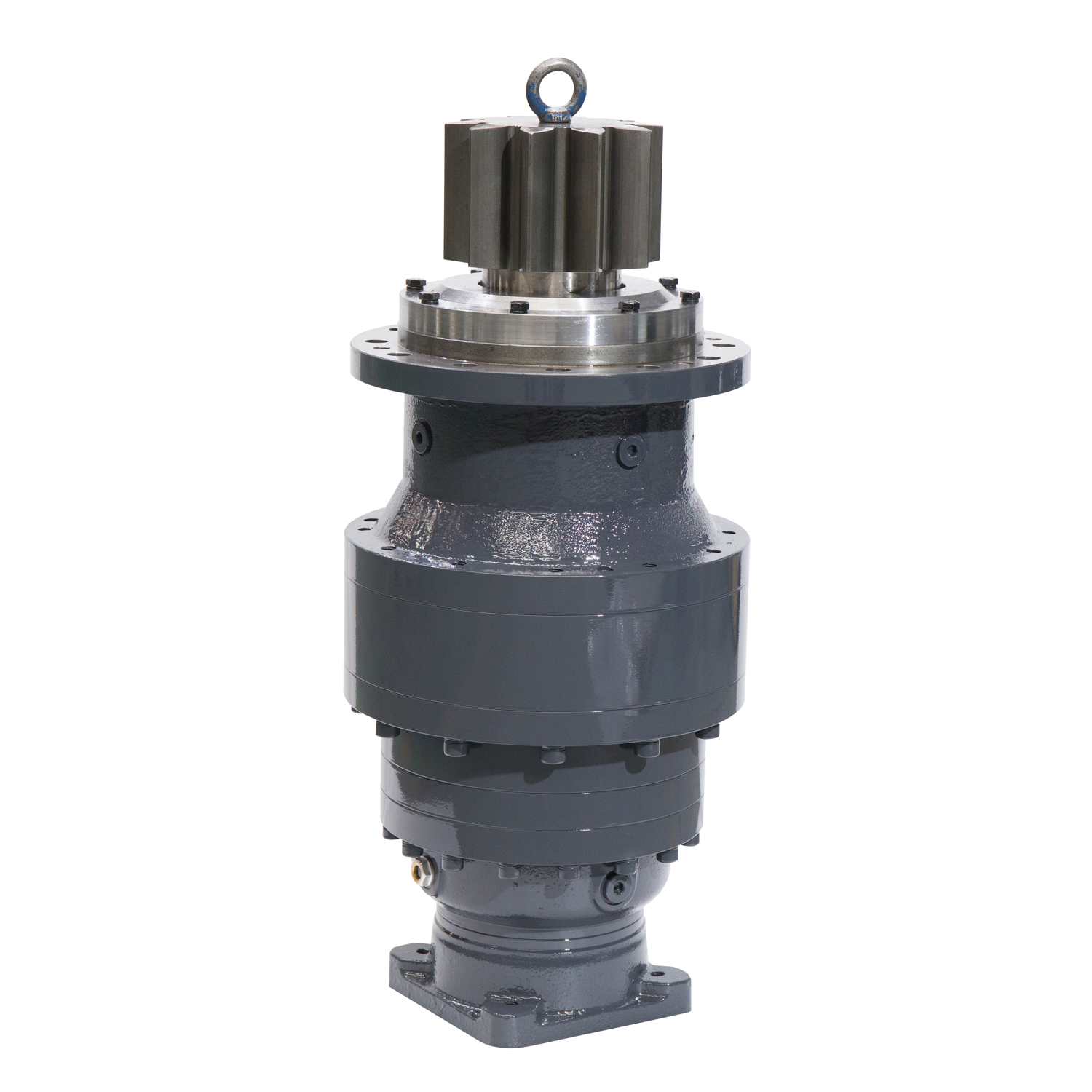
Model: 200-885Ratio: 3.15-7800Output Torque :1500Nm-540000NmRating Power :0.25KW-200kwDescription : ...
See Details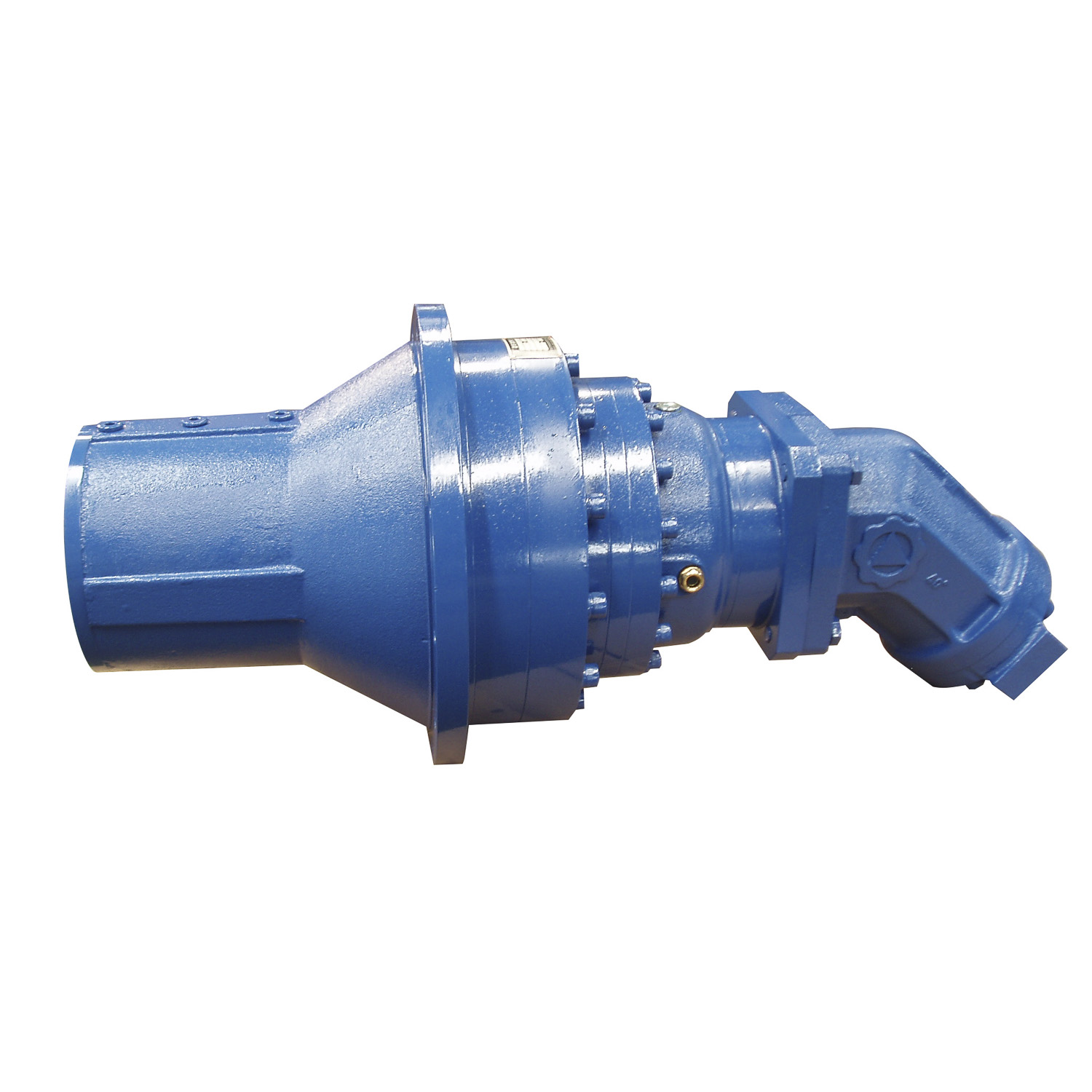
Key feature:Planetary gearbox is produced by modular design, and can be combined according to client...
See Details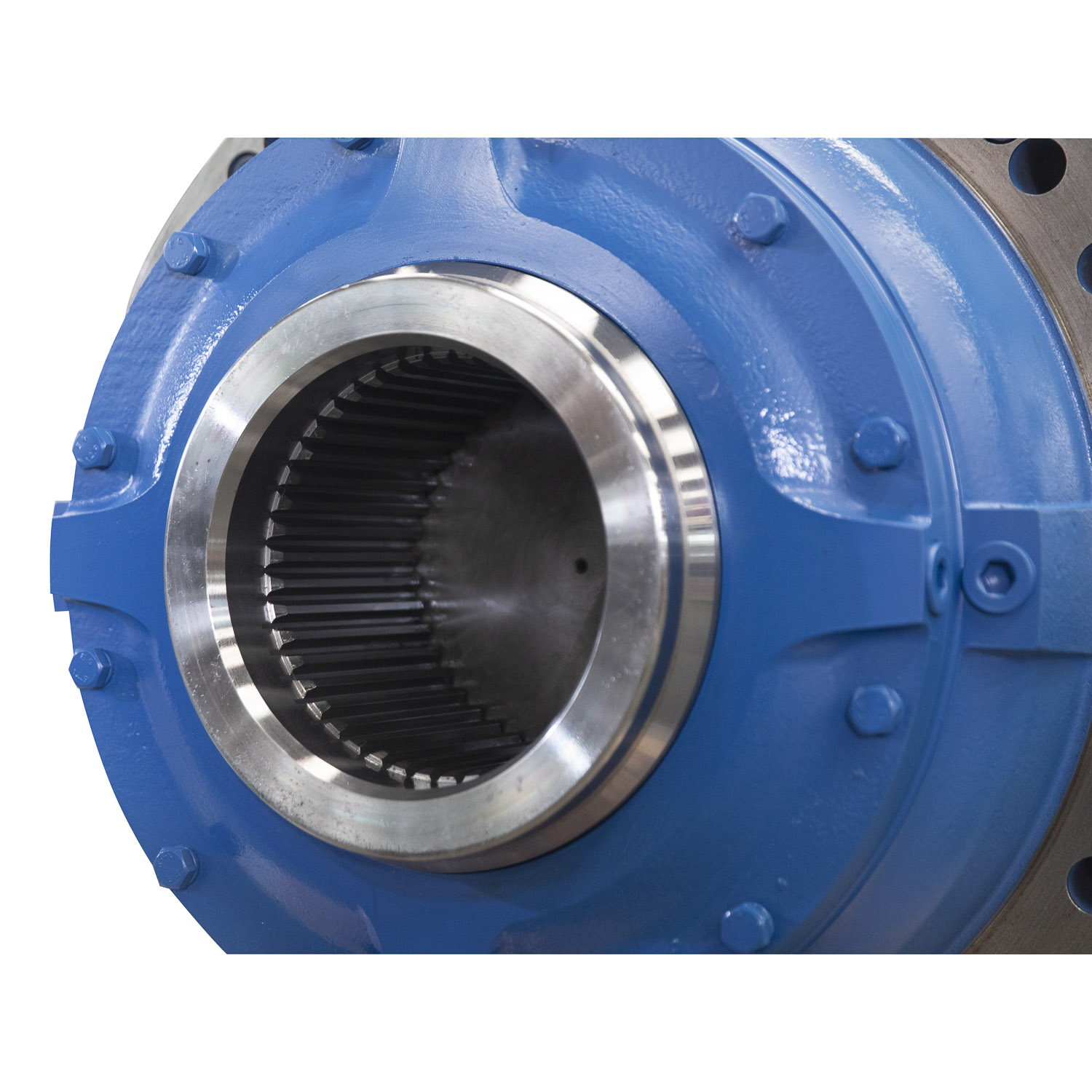
Shanghai SGR Heavy Industry Machinery Co., Ltd. is a high tech enterprise, it was selected in the li...
See Details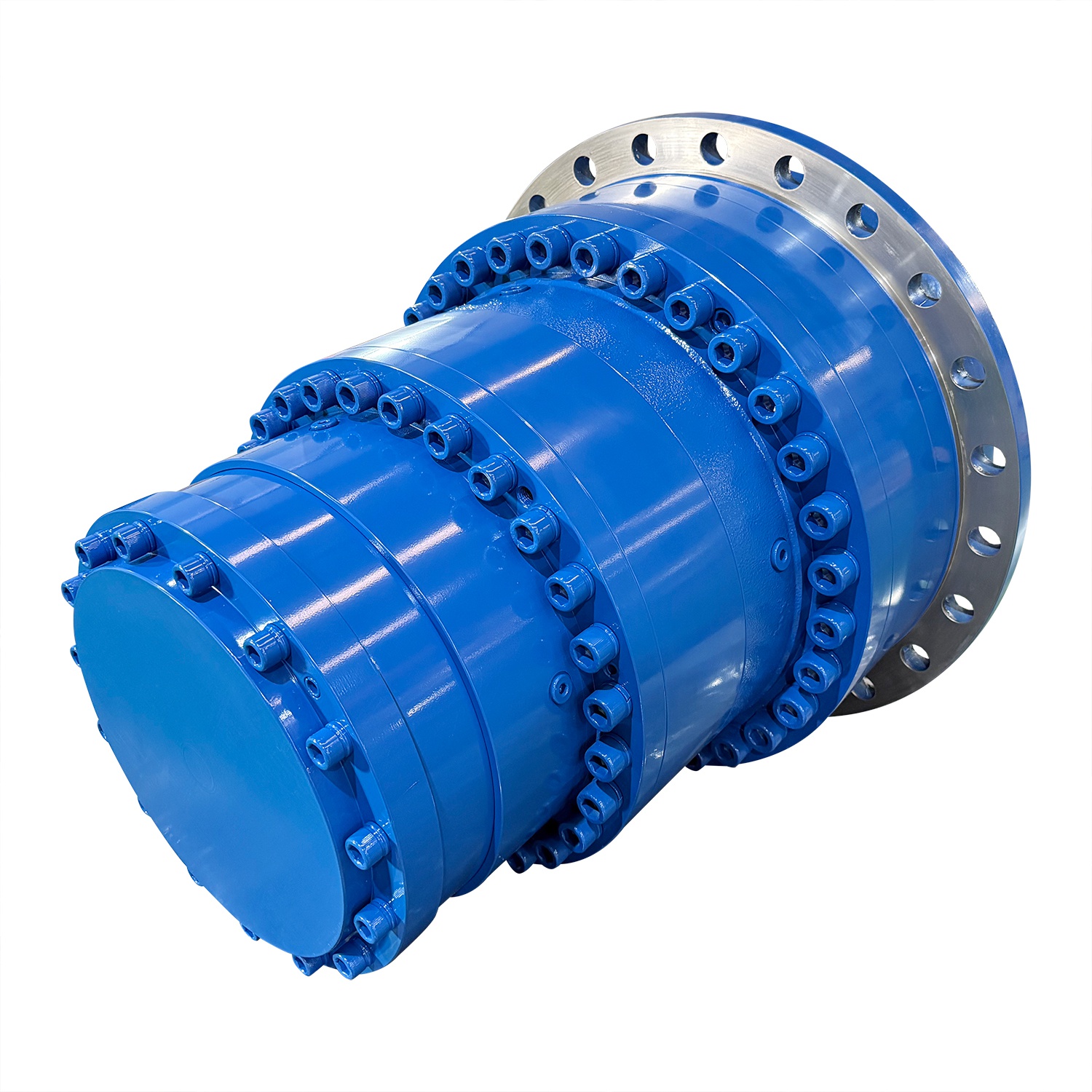
Planetary gear reducers serve as key transmission parts for sightseeing boats sailing along Russia’s...
See Details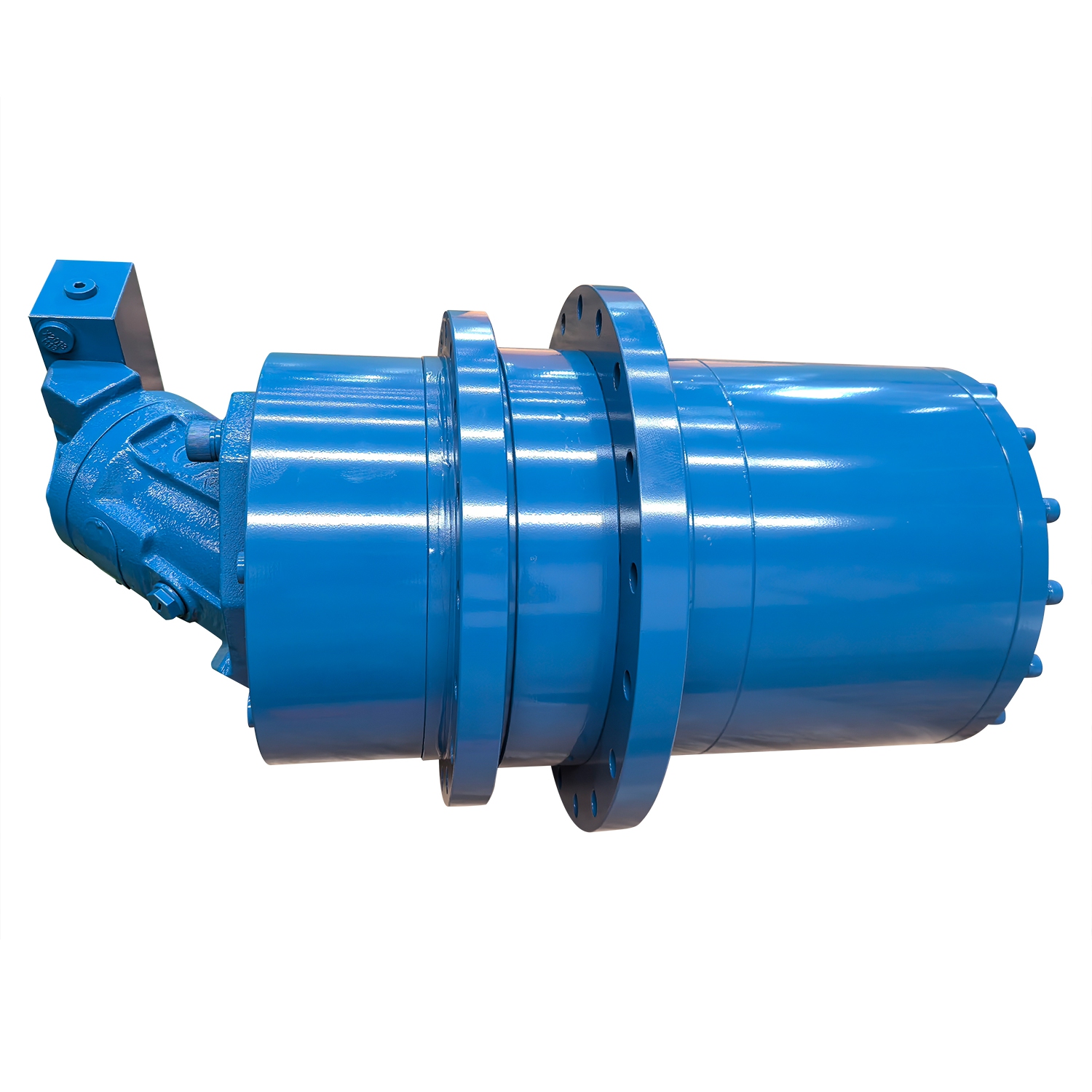
Model: 200-885 Ratio: 3.15-7800 Output Torque :1500Nm-540000Nm Rating Power :0.25KW-200kw Descripti...
See Details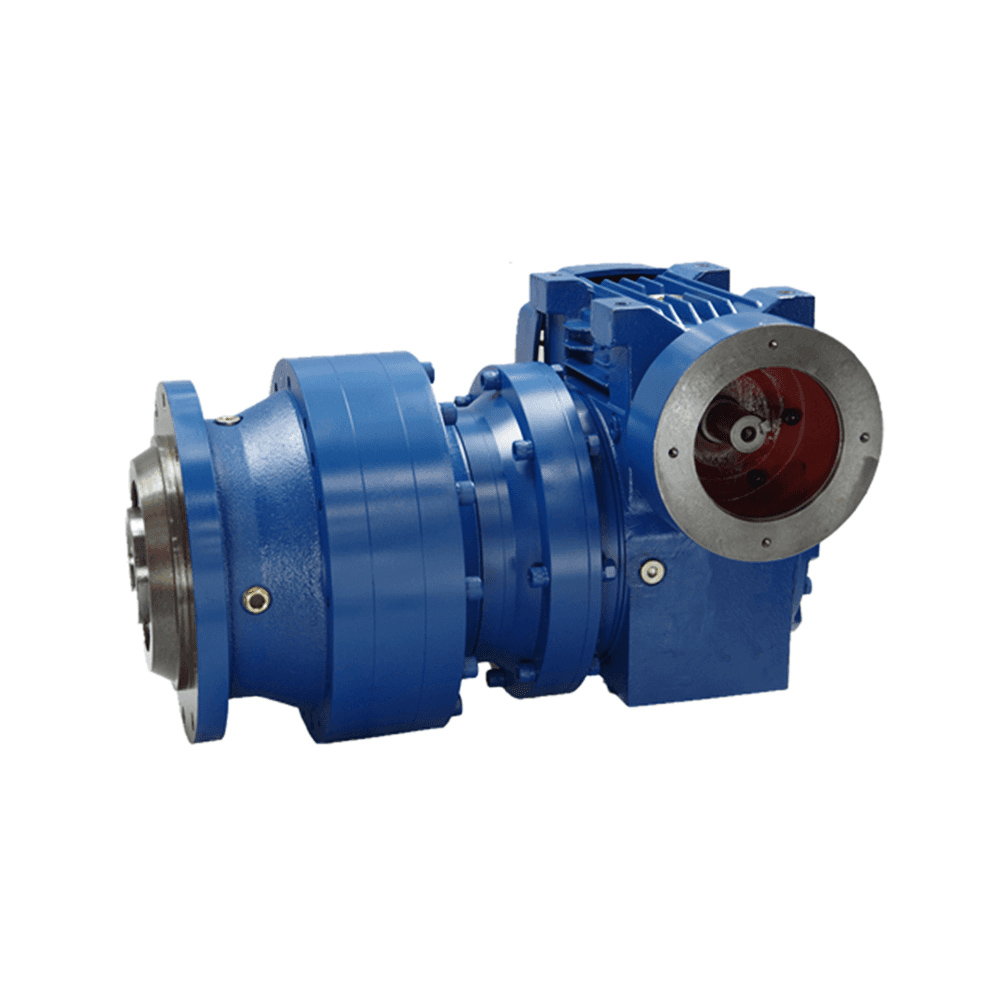
The planetary and toroidal worm combined reducer developed by SGR features a compact structure, with...
See Details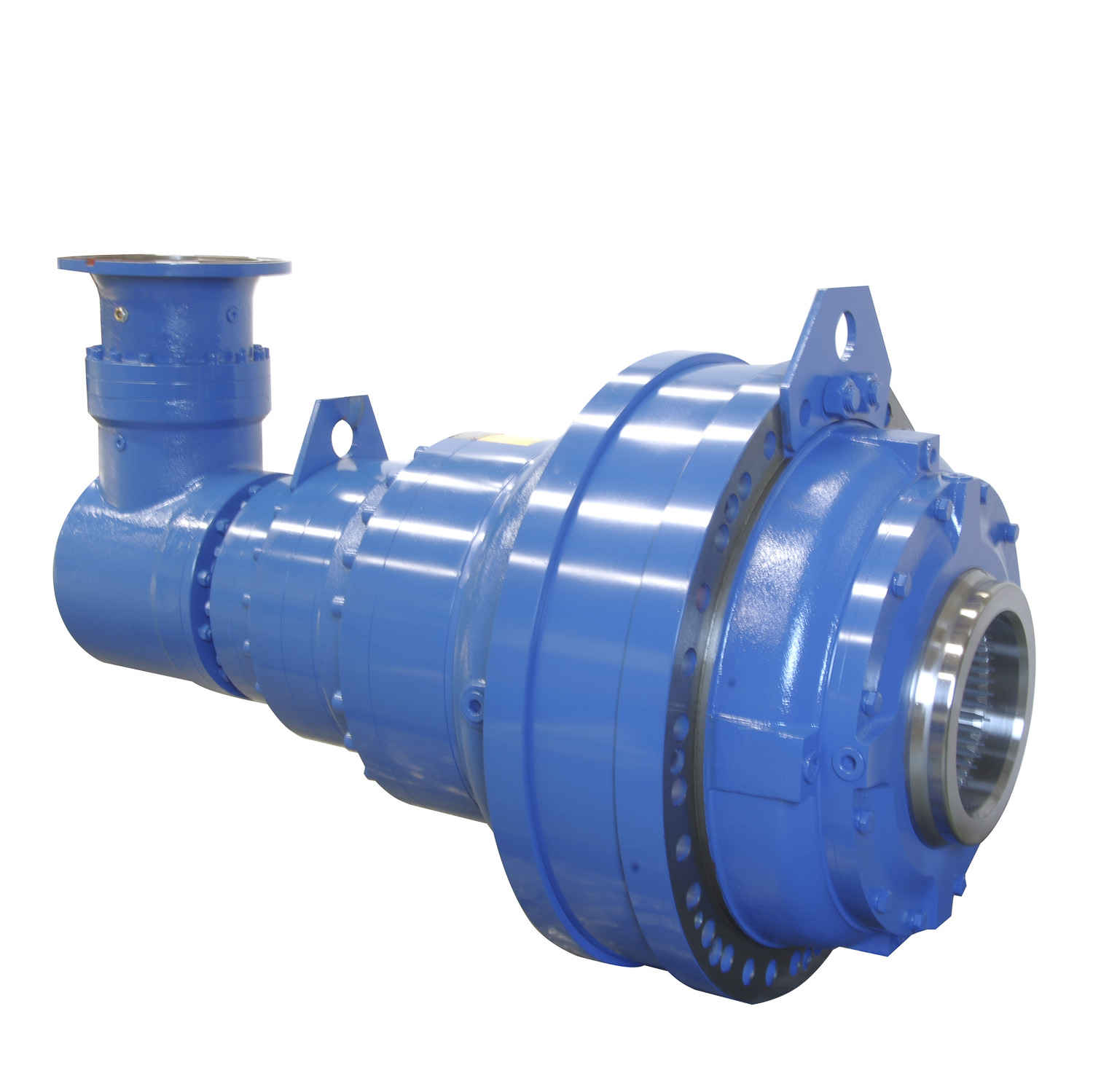
Planetary gearbox is produced by modular design, and can be combined according to client's request H...
See Details
SGR is an ISO 9001 certified, DNV-accredited industry gearbox manufacturer since 1996. We supply different gear reducers to brands worldwide.