Global
 English
 中文简体
 русский
 Español
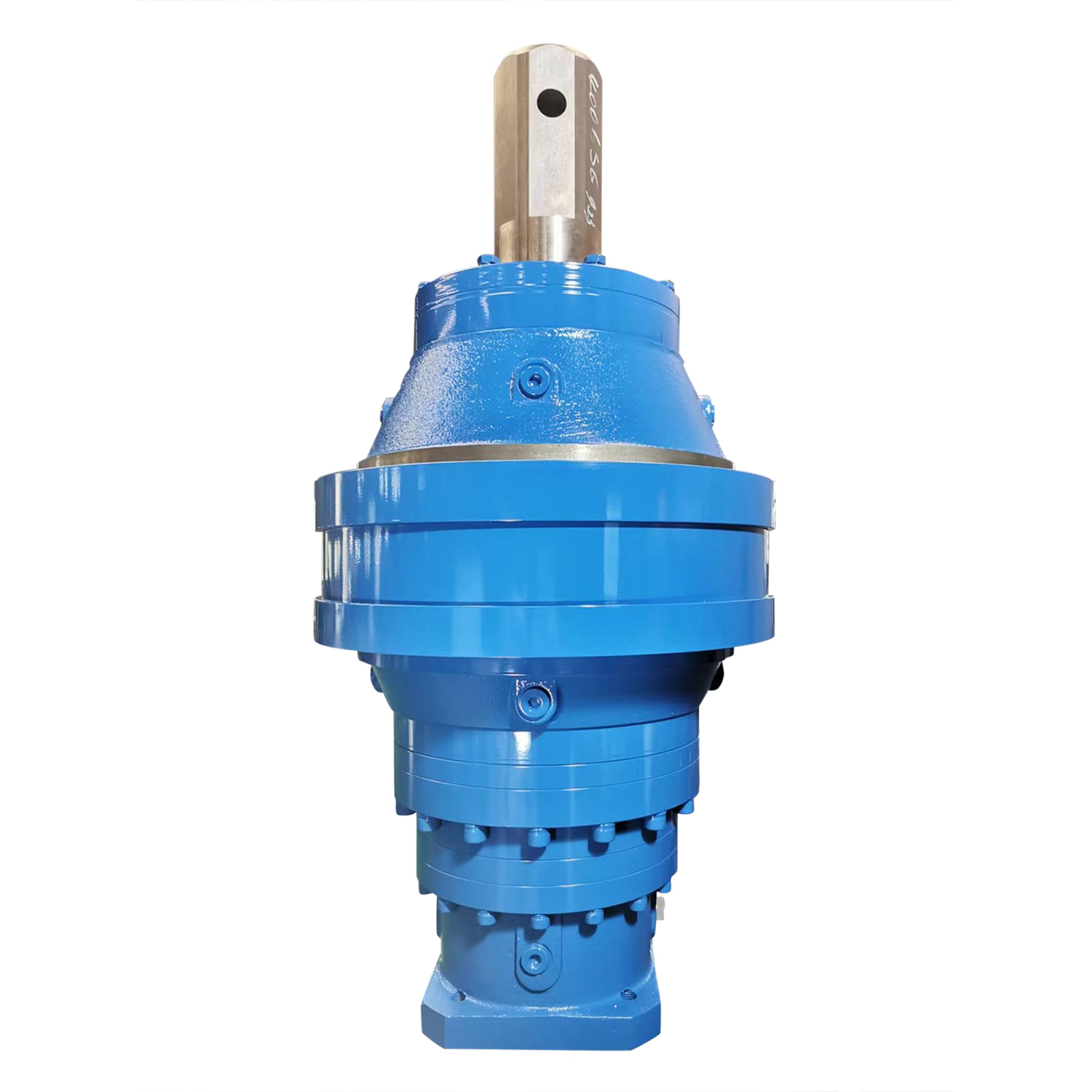
Description :1, High torque double enveloping worm gear adjust toughest working condition .2,Univers...
See Details
News Directory
China's industrial gearbox market is experiencing continued growth, driven by industrial modernization, energy-efficiency improvements, and increasing demand for advanced mechanical transmission solutions.
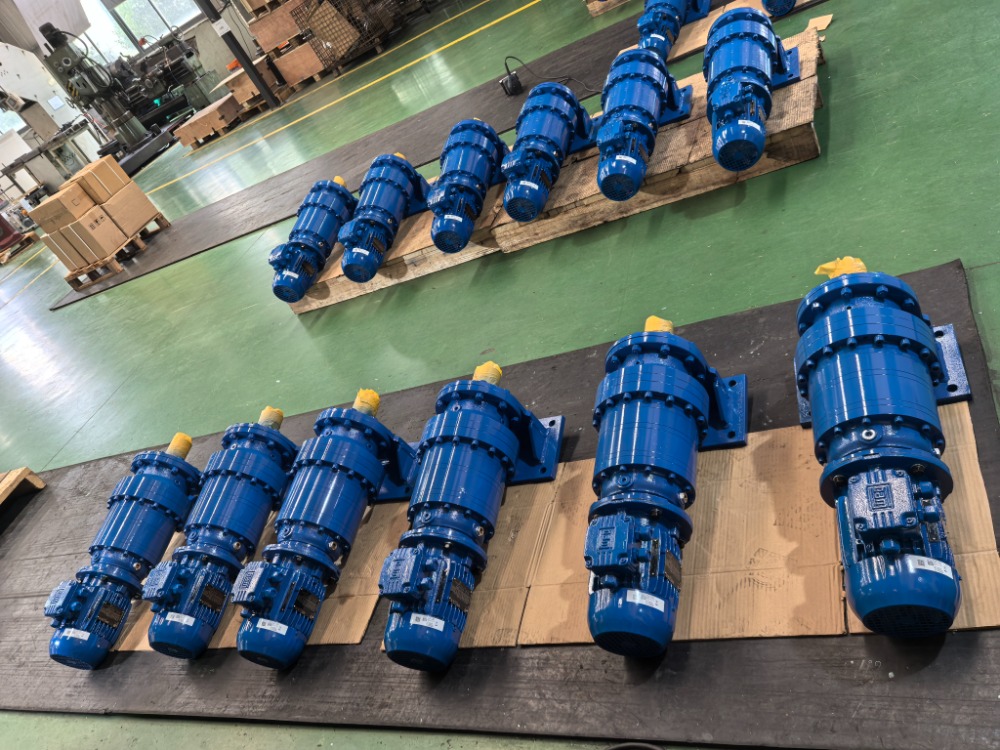
According to industry estimates compiled by organizations including the China General Machinery Industry Association's Gearbox and Speed Reducer Branch, China's industrial gearbox market reached approximately RMB 94 billion in 2025, representing year-on-year growth of around 9.3%. This growth highlights the importance of industrial gearboxes in China's manufacturing and industrial equipment sectors.
Industrial gearboxes are essential components in modern machinery. They transmit power, reduce rotational speed, and increase output torque, supporting applications ranging from mining and metallurgy to construction machinery, agricultural equipment, and automated production lines.
As the market expands, gearbox manufacturers face increasing demands for higher transmission efficiency, heavy-duty performance, compact structures, and customized solutions for challenging operating conditions.
With more than 15 years of experience in gear transmission technology, Shanghai SGR Heavy Industry Machinery Co., Ltd. focuses on planetary gearboxes and worm gear reducers, developing industrial transmission solutions for demanding applications.
In this article, we explore China's industrial gearbox market, the key technology trends shaping the industry in 2026, and how SGR contributes to the development of industrial transmission technology.
China's industrial gearbox market is benefiting from industrial upgrading, equipment replacement, and the continued development of domestic manufacturing capabilities.
With the market estimated at RMB 94 billion in 2025 and annual growth of approximately 9.3%, demand for industrial transmission products remains an important part of the broader machinery industry's development.
Several factors are contributing to this growth.
Across industries such as mining, metallurgy, power generation, and material handling, equipment operators are increasingly evaluating older transmission systems for replacement or upgrading.
Legacy gearboxes may suffer from excessive energy losses, wear, insufficient load capacity, or high maintenance requirements. Replacing unsuitable or inefficient transmission equipment can help improve operating performance and reduce lifecycle costs.
For equipment manufacturers, this creates demand for gearboxes that offer appropriate torque capacity, stable operation, improved efficiency, and reliable long-term performance.
However, gearbox replacement decisions should be based on the actual condition of existing equipment and the performance requirements of the application, rather than age alone.
China's industrial gearbox industry has also benefited from improvements in materials engineering, heat treatment, precision machining, and quality inspection.
Domestic manufacturers are developing a wider range of transmission solutions to meet the requirements of industrial equipment manufacturers. For buyers, this creates more options when sourcing new gearboxes or evaluating alternatives to imported products.
The wind power industry provides another example of the broader development of domestic transmission manufacturing. According to the industry figures cited in the original report, China's domestic wind turbine gearbox localization rate increased from approximately 30% in 2020 to more than 50% in 2025.
Although wind turbine gearboxes represent a specialized segment rather than the entire industrial gearbox market, this trend illustrates the growing role of domestic manufacturing in China's transmission equipment supply chain.
For industrial gearbox suppliers, the opportunity lies not simply in increasing production volume, but in continuously improving engineering capabilities, manufacturing consistency, and application-specific performance.
As industrial equipment becomes more demanding, gearbox technology is evolving in several important directions.
Energy efficiency is becoming an increasingly important consideration in industrial equipment design.
A gearbox transmits mechanical power through gears, shafts, bearings, and lubrication systems. Friction, bearing resistance, lubricant properties, and other factors can contribute to power losses during operation.
To improve performance, manufacturers are focusing on optimized gear tooth profiles, precision machining, suitable materials, and effective lubrication systems.
Precision gear grinding helps improve tooth geometry and surface quality, supporting more consistent meshing. Appropriate heat treatment can enhance wear resistance and load-bearing capability, while suitable lubrication helps manage friction and operating temperatures.
The overall gearbox design also matters. Gear arrangement, bearing selection, reduction ratio, and structural configuration all influence performance.
For industrial users, the objective is to select a gearbox that delivers the required output torque and speed while meeting efficiency, thermal, and service-life requirements.
Mining machinery, metallurgical equipment, lifting systems, and heavy-duty material-handling machinery place substantial demands on transmission systems.
These applications may involve high output torque, frequent load changes, shock loads, vibration, and extended operating hours.
As a result, manufacturers are placing greater emphasis on gear strength, load distribution, structural rigidity, and manufacturing accuracy.
Alloy steels such as 20CrMnTi can be used in suitable gear components, with carburizing and subsequent heat-treatment processes selected to achieve the required surface hardness and core properties.
Precision machining and grinding help control tooth geometry, while careful gearbox design supports appropriate load distribution and reliable operation.
Planetary gearboxes are particularly useful in many compact, high-torque applications because their multiple planet gears share the transmitted load. Double-enveloping worm gearboxes offer another transmission option for selected applications requiring high reduction ratios and substantial torque capacity.
The most suitable gearbox depends on the operating speed, required torque, efficiency target, installation space, duty cycle, and environmental conditions.
Industrial equipment manufacturers increasingly need transmission systems that combine high performance with flexible installation.
Compact gearbox structures can help reduce installation constraints, while modular design allows manufacturers to configure products for different machinery requirements.
Planetary gearboxes are widely used where high torque density and compact dimensions are important. Their sun gear, planet gears, and ring gear form a load-sharing arrangement that can transmit substantial torque within a relatively compact structure.
Modular gearbox design can also provide flexibility in reduction ratios, input and output shafts, mounting arrangements, and connection interfaces.
For original equipment manufacturers (OEMs), these options can simplify machine integration and reduce repetitive engineering work.
However, modularity does not eliminate the need for technical verification. Torque capacity, shaft loads, mounting dimensions, lubrication, and thermal performance must all be checked against the intended application.
Standard gearboxes can meet the requirements of many industrial applications. However, equipment operating under specialized conditions often requires more carefully tailored transmission solutions.
Examples include machinery exposed to heavy dust, substantial vibration, wide temperature fluctuations, or limited installation space.
In such environments, gearbox selection must consider the interaction between mechanical loading, materials, lubrication, sealing, and the operating cycle.
For example, low-temperature applications may require attention to lubricant viscosity and starting conditions. Equipment operating in dusty environments may require appropriate sealing and maintenance provisions.
Customized input and output shafts, mounting interfaces, and housing configurations can also help address space constraints and equipment integration requirements.
For gearbox manufacturers, customization involves more than changing external dimensions. It requires coordinated engineering across transmission design, materials, manufacturing processes, assembly, and inspection.
This is particularly important in heavy-duty applications, where an unsuitable configuration can affect operating reliability and service life.
As industrial gearbox requirements continue to evolve, manufacturers need to combine engineering expertise with precision manufacturing and reliable quality control.
Shanghai SGR Heavy Industry Machinery Co., Ltd. focuses on planetary gearboxes and worm gear reducers, with product development directed toward compact structures, modular configurations, and demanding industrial transmission applications.
SGR has developed a double-enveloping worm gear optimization design system and specialized equipment for manufacturing and inspecting complex worm gear profiles.
These capabilities support the development of its C Series double-enveloping worm gear reducers, designed for applications requiring high torque and substantial reduction ratios.
Gearbox performance depends on the dimensional accuracy and consistency of its components.
SGR's manufacturing and inspection resources include CNC machining equipment, a four-axis CNC grinding machine for complex profiles, coordinate measuring equipment, specialized worm and hob measuring instruments, and gearbox power-performance testing equipment.
Together, these resources support gear manufacturing, dimensional inspection, assembly verification, and product performance evaluation.
For heavy-duty transmission applications, appropriate materials and heat treatment are essential to achieving the required mechanical properties.
SGR uses materials such as 20CrMnTi in relevant gear components. Depending on the component design and performance requirements, processes such as carburizing, quenching, tempering, and precision grinding can be used to achieve the required surface properties and dimensional accuracy.
The specific material and manufacturing process depend on the gearbox model and component specifications.
Different applications require different transmission characteristics.
Planetary gearboxes are often selected when compact construction and high torque density are important. Double-enveloping worm gearboxes can be suitable for applications requiring high reduction ratios and substantial torque transmission.
By focusing on these two product categories, SGR provides transmission options for machinery manufacturers with different installation, torque, and operating requirements.
For OEMs and industrial equipment manufacturers, gearbox configurations can be evaluated according to motor power, input speed, output torque, reduction ratio, mounting dimensions, and working environment.
As China's industrial gearbox industry develops, equipment manufacturers have more options when sourcing transmission products and evaluating replacements for existing gearboxes.
However, choosing a replacement involves more than comparing product prices or external dimensions.
A technically suitable replacement must meet the original application's requirements for torque, speed, reduction ratio, shaft loads, mounting interfaces, thermal performance, and duty cycle.
Manufacturing consistency and technical support are also important, particularly for equipment operating under demanding conditions.
For buyers, a systematic evaluation should include:
For domestic manufacturers, continued investment in research, precision manufacturing, and quality control can help expand their ability to serve specialized industrial applications.
For customers, working with a supplier that understands both gearbox technology and equipment operating conditions can simplify product selection and reduce the risk of technical mismatches.
Market growth and technological progress create more choices, but the right gearbox still depends on the application.
Before selecting an industrial gearbox, equipment manufacturers should evaluate the following factors.
Providing these details early in a project helps gearbox manufacturers identify a suitable configuration and reduces the likelihood of costly selection errors.
China's industrial gearbox market, estimated at approximately RMB 94 billion in 2025 with year-on-year growth of around 9.3%, reflects the continued importance of mechanical transmission in industrial manufacturing.
At the same time, equipment modernization, domestic manufacturing development, and increasingly demanding operating conditions are shaping the next stage of gearbox technology.
Higher transmission efficiency, heavy-duty performance, compact structures, modular design, and customized engineering are becoming increasingly important considerations for gearbox manufacturers and industrial users.
With its focus on planetary gearboxes, double-enveloping worm gear reducers, and industrial transmission engineering, SGR continues to develop gearbox solutions for machinery manufacturers seeking reliable power transmission.(Author, SGR, Angie Zhang)
WhatsApp: +86 188 1807 0282
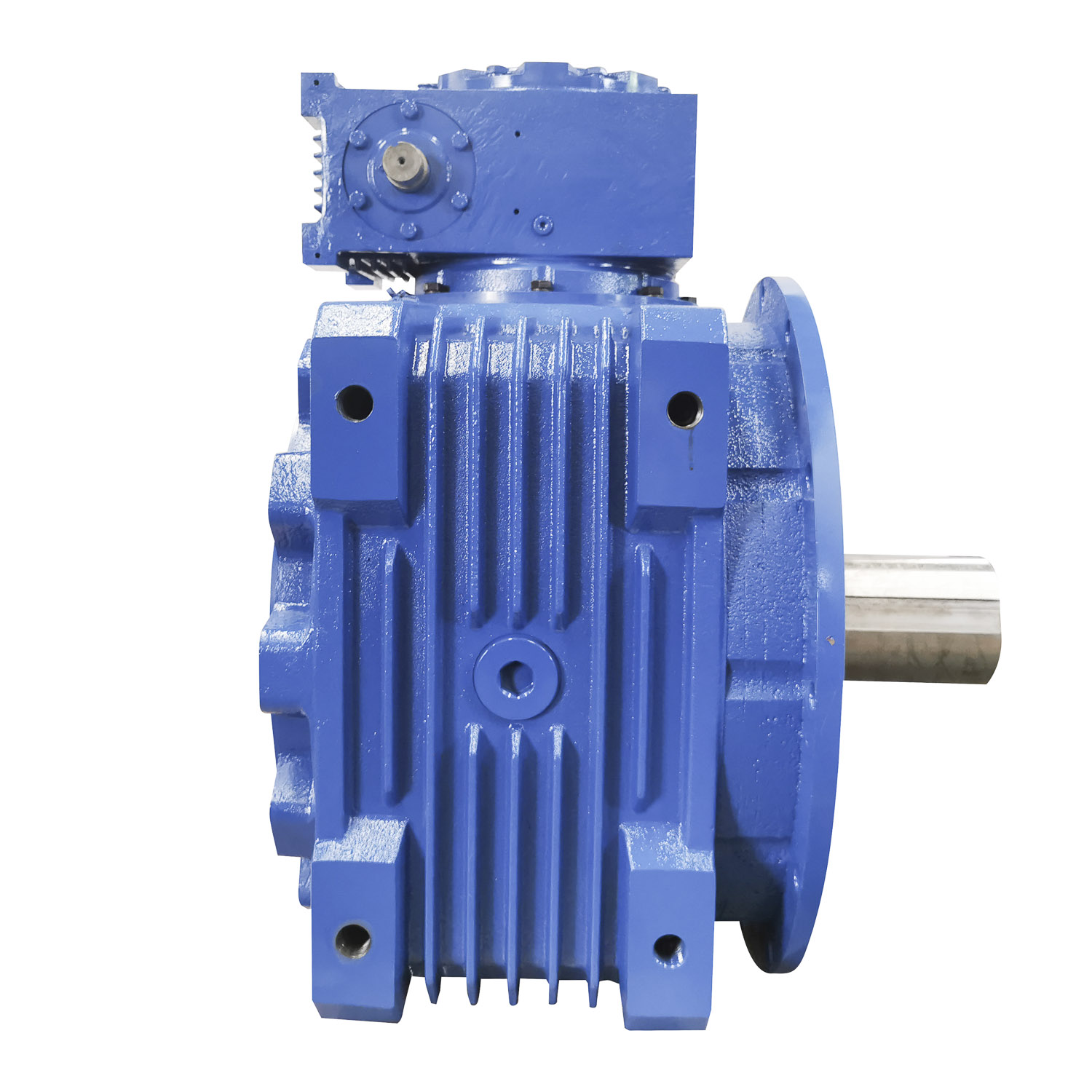
Description :1, High torque double enveloping worm gear adjust toughest working condition .2,Univers...
See Details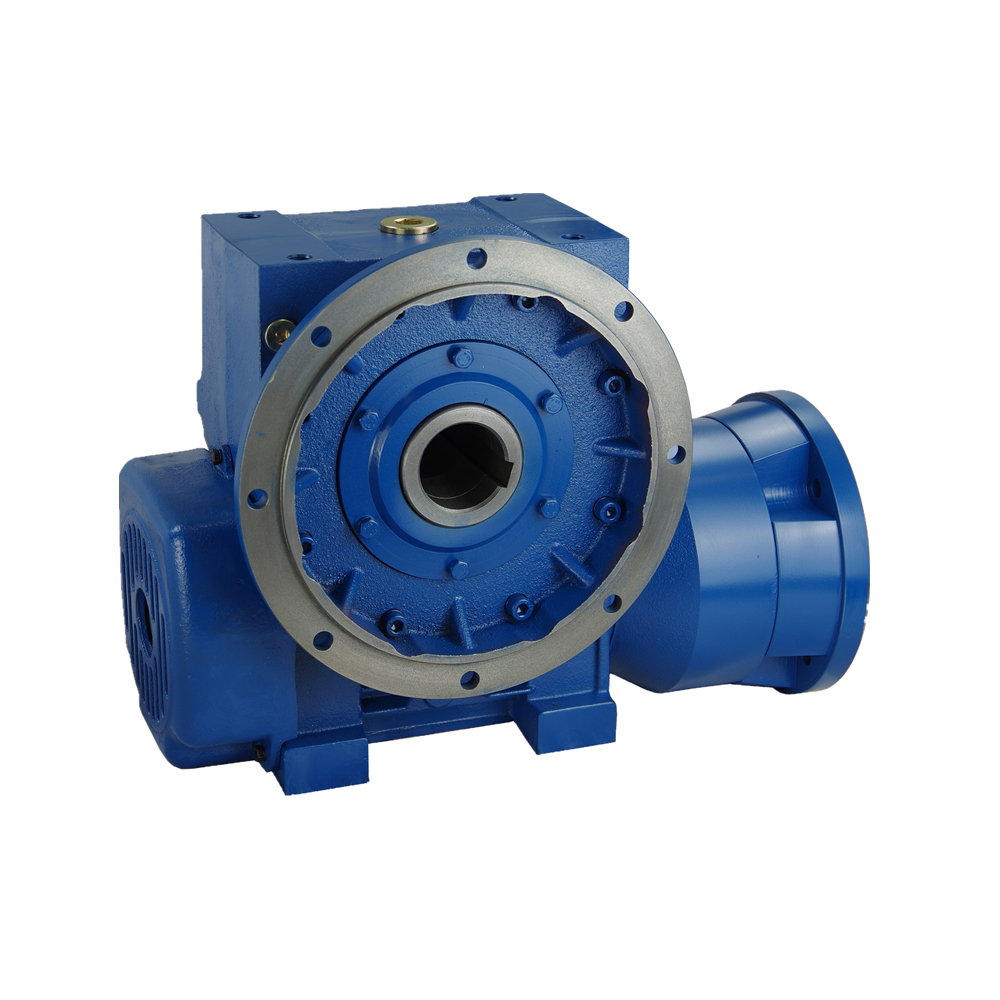
Product Description Series C double enveloping worm gearModel: 100 - 500Ratio: 10 -63Output Torque ...
See Details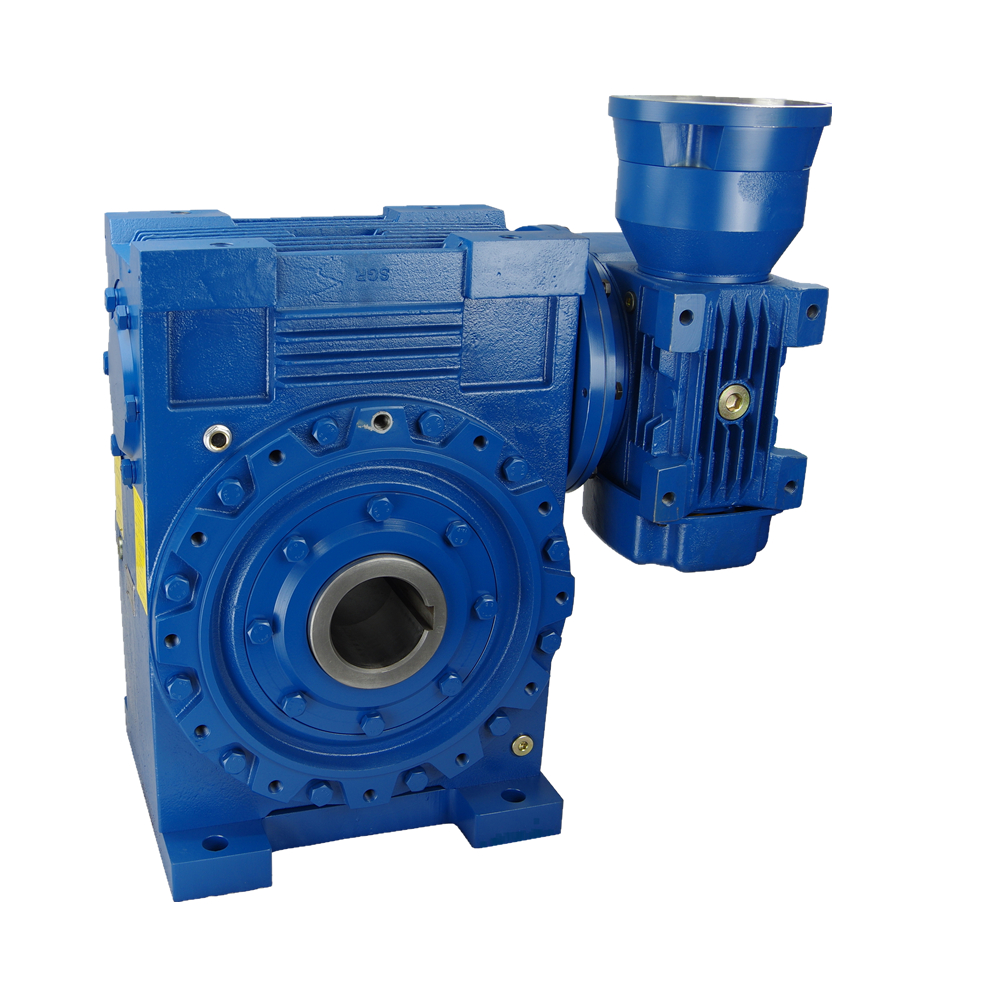
Product Description Series C double enveloping worm gearModel: 100 - 500Ratio: 10 -63Output Torque ...
See Details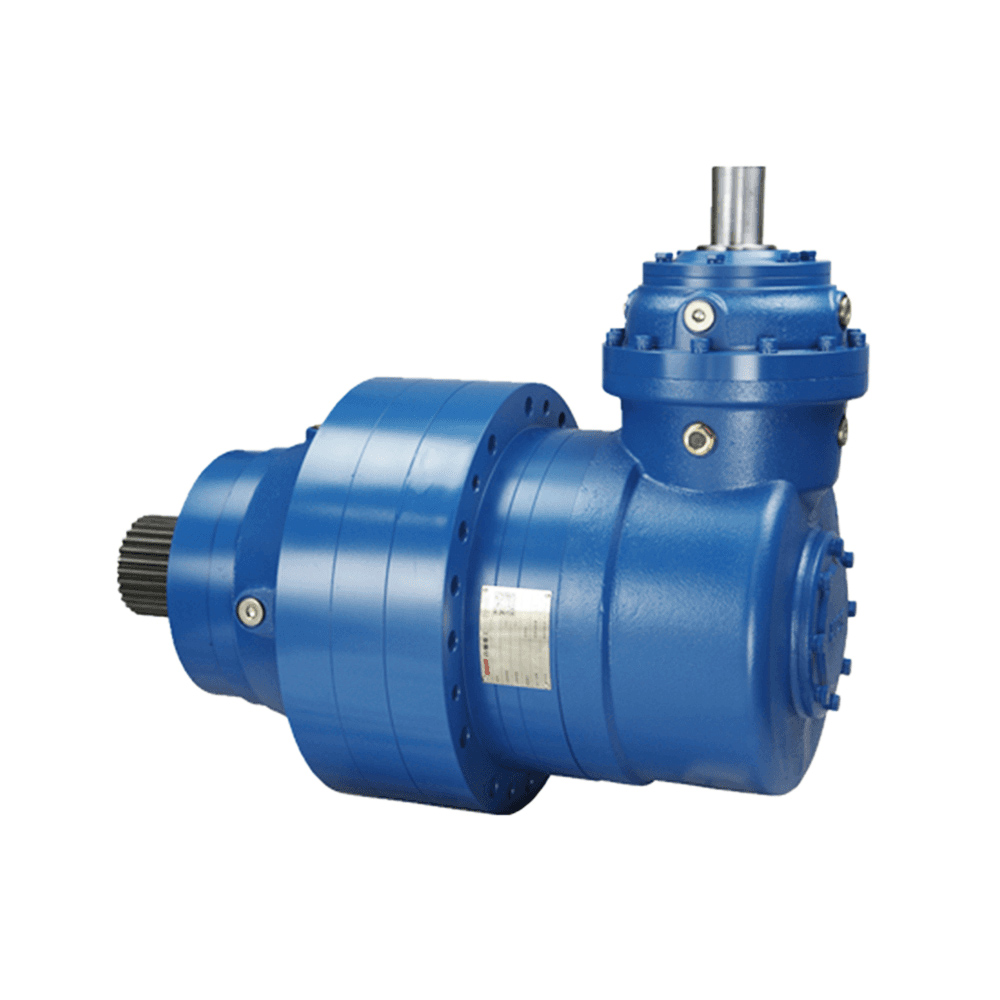
Product Info: The MNC3E400 series high speed and high torque industrial planetary gear reducers are ...
See Details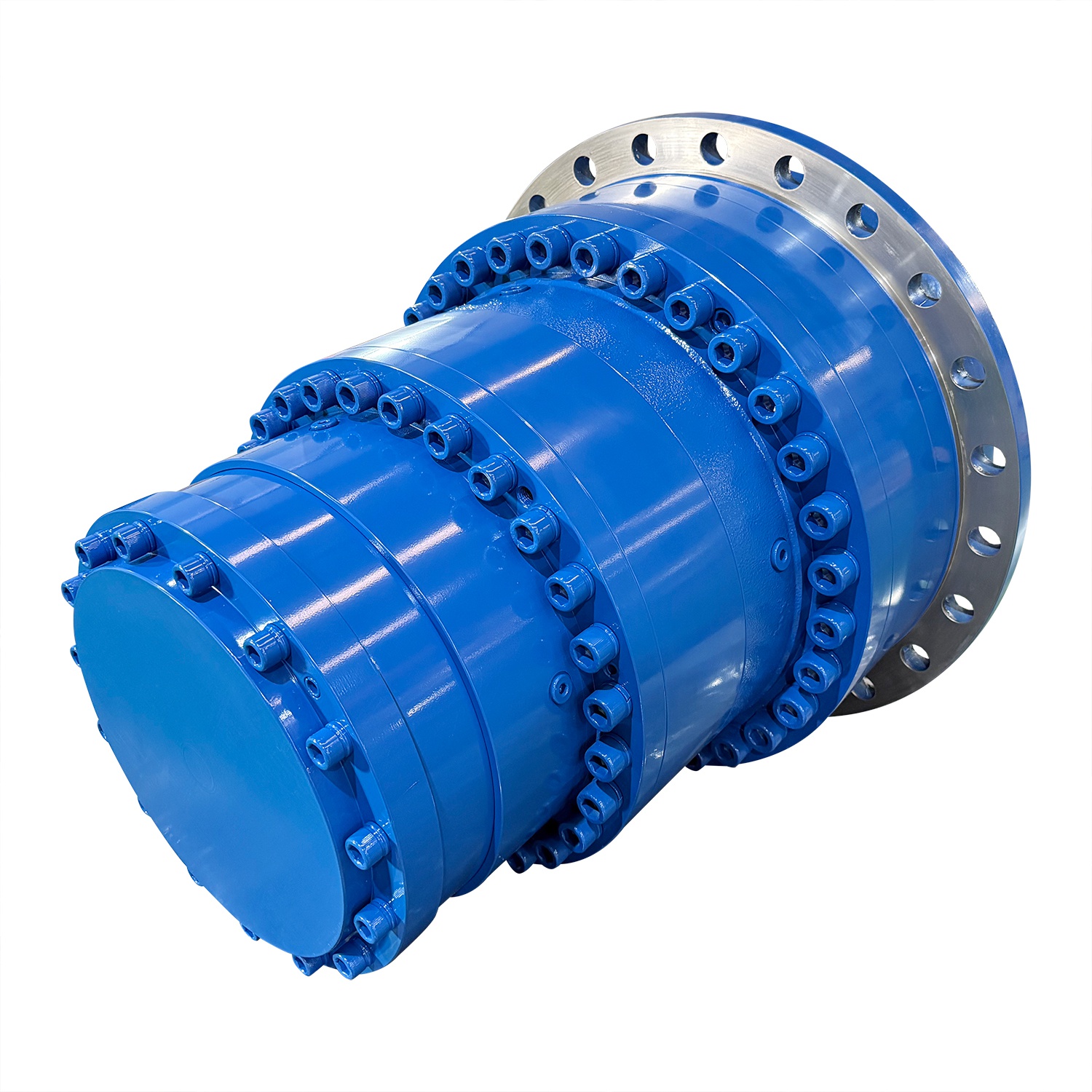
Planetary gear reducers serve as key transmission parts for sightseeing boats sailing along Russia’s...
See Details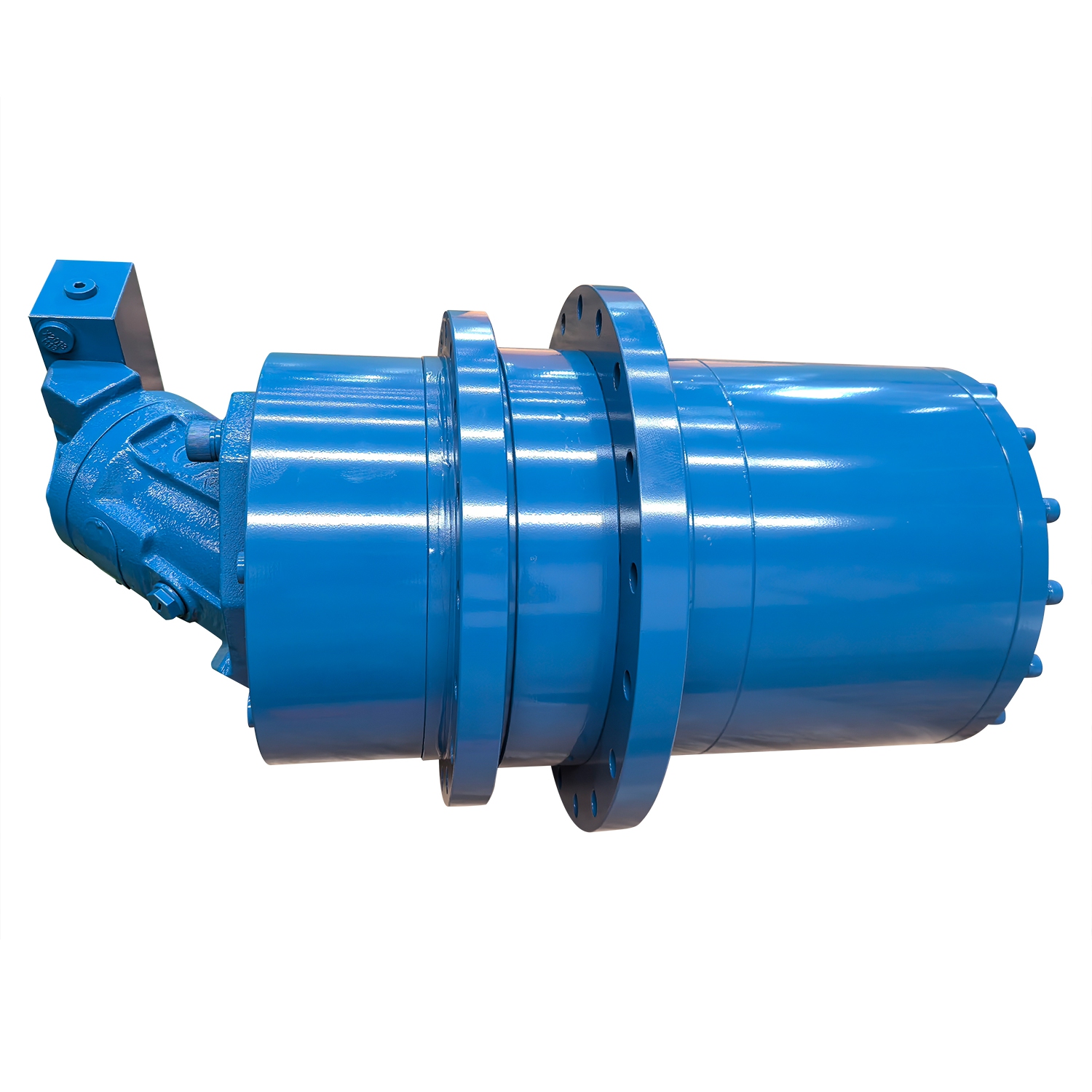
Model: 200-885 Ratio: 3.15-7800 Output Torque :1500Nm-540000Nm Rating Power :0.25KW-200kw Descripti...
See Details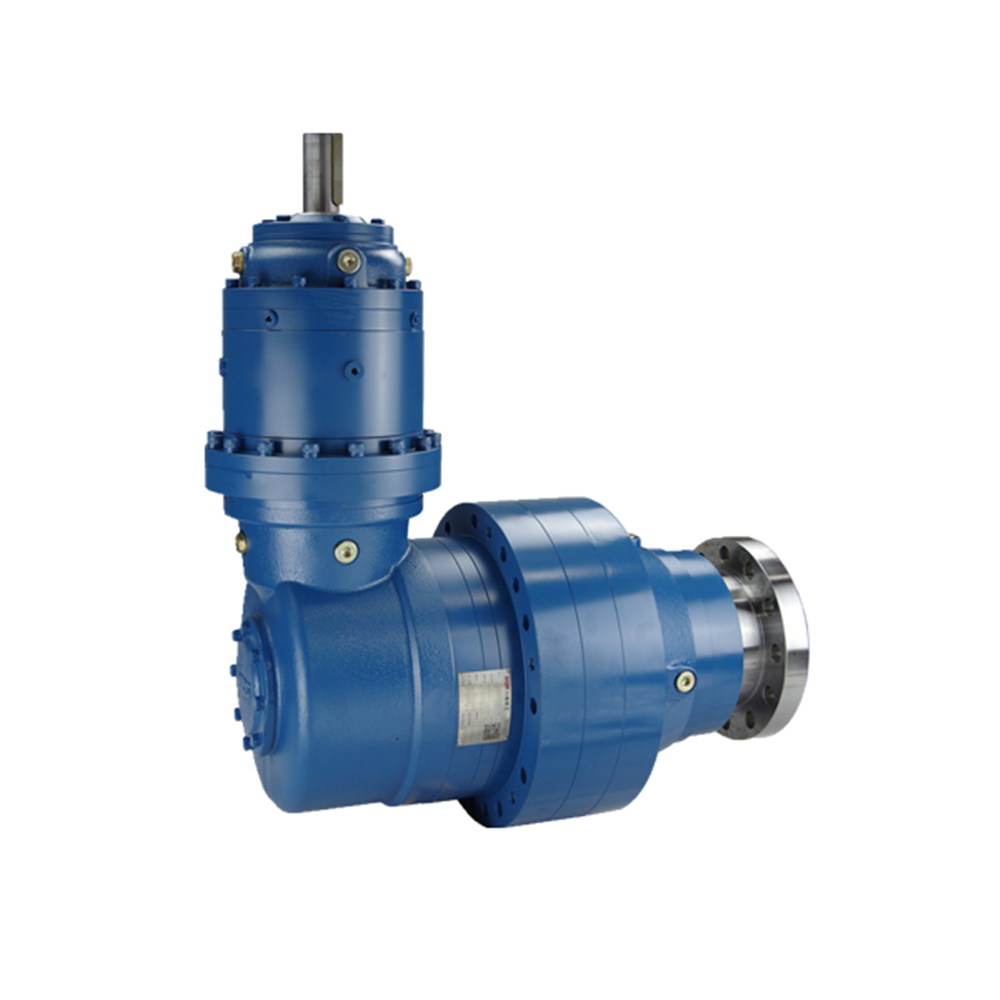
Technical data: 1. Ratio range: 3.15-30002. Input power: 0.25-55KW3. Permit torque rang: ≤ 200000N. ...
See Details
SGR is an ISO 9001 certified, DNV-accredited industry gearbox manufacturer since 1996. We supply different gear reducers to brands worldwide.