Global
  English
 中文简体
中文简体 русский
 Español
News Directory
Having spent over a decade working on planetary gear reducer projects at SGR, I have observed that customers across a wide spectrum of industries—ranging from industrial automation to general mechanical engineering—consistently raise a specific question: How does one professionally select a planetary gear reducer?
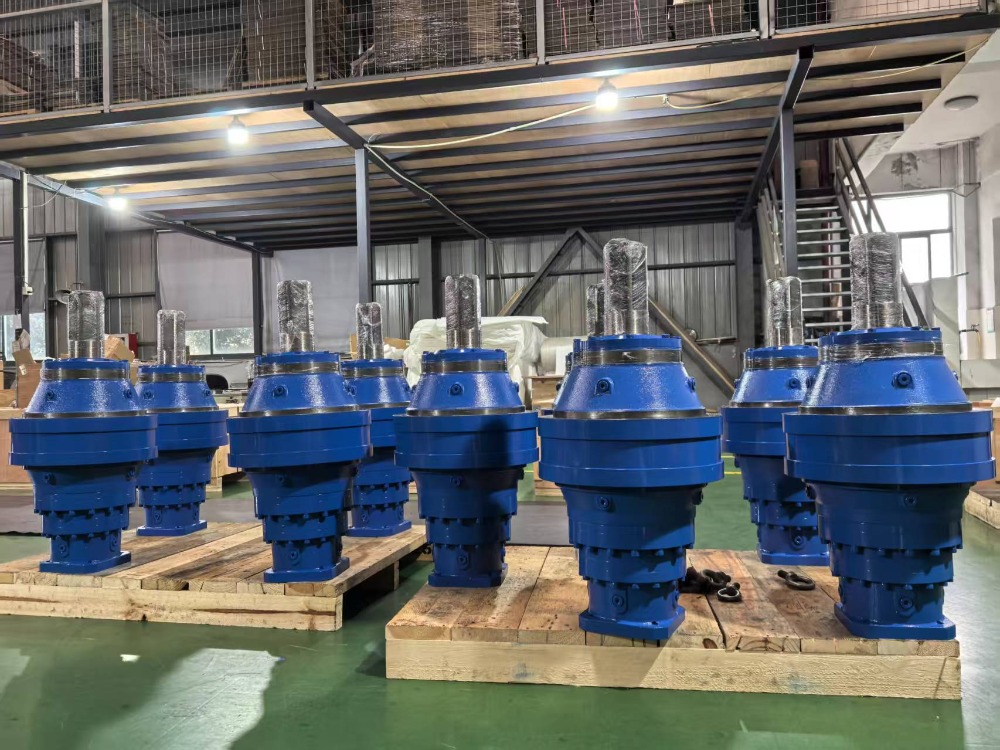
This is an excellent question. The selection of a reducer directly impacts the performance, efficiency, reliability, service life, and even the safety of the entire mechanical system. An incorrect or mismatched reducer choice can, at best, lead to unstable equipment operation, increased energy consumption, and frequent maintenance.
At worst, it can trigger transmission failure, production downtime, safety incidents, and significant economic losses.In this article, drawing upon more than ten years of field experience and technical support, I will provide a structured, professional approach to selecting planetary gear reducers—from fundamental principles to real-world applications.
A planetary gear reducer derives its name from its structural similarity to the solar system: a central sun gear, multiple planet gears mounted on a rotating carrier, and an outer ring gear that meshes with all planets simultaneously. This coaxial, multi-mesh design allows torque to be distributed across several contact points, resulting in exceptional load-sharing capability.
Key advantages include:
Modern planetary reducers are available in single-, two-, or three-stage configurations, with reduction ratios ranging from 3:1 to over 500:1. They are widely used in servo systems, mobile machinery, conveyors, and renewable energy applications—where reliability, precision, and space constraints matter.
Not all reducers are created equal. Choosing the right type depends on application priorities.
Below is a comparative overview:
|
Parameter |
Planetary |
Worm Gear |
Helical/Parallel Shaft |
Cycloidal |
|
Efficiency |
95–98% |
50–85% |
90–96% |
85–93% |
|
Backlash |
Very low (1–10 arcmin) |
Moderate to high |
Moderate |
Extremely low (<1 arcmin) |
|
Torque Density |
Very high |
Low |
Medium |
High |
|
Radial Load Capacity |
High (integrated bearings) |
Low |
Medium |
Very high |
|
Noise & Vibration |
Low |
Moderate |
Low |
Very low |
|
Self-Locking |
No |
Yes (at high ratios) |
No |
No |
|
Typical Ratio Range |
3:1 – 500:1 |
5:1 – 100:1 |
3:1 – 200:1 |
30:1 – 300:1 |
|
Maintenance |
Low (sealed for life) |
Higher (heat-sensitive) |
Moderate |
Low |
|
Cost |
Medium to high |
Low |
Low to medium |
Very high |
Takeaway: Planetary reducers offer the best balance of efficiency, compactness, precision, and durability for most industrial applications—making them the go-to solution for servo-driven and dynamic systems.
Selecting the right planetary reducer requires a systematic evaluation of both operational demands and technical parameters:
Planetary gear reducers are enabling innovation across sectors:
Selecting a planetary gear reducer is not a commodity decision—it is a strategic engineering choice. As someone who has supported thousands of applications at SGR, I’ve seen firsthand how the right reducer enhances performance, while the wrong one becomes a bottleneck. By understanding the technology, comparing alternatives objectively, and aligning specifications with real-world demands, engineers can ensure optimal system performance, longevity, and total cost of ownership. In an era of automation, electrification, and smart manufacturing, mastering reducer selection is no longer optional—it’s essential. (Author, SGR, Angie Zhang)
Reference:
Industrial Transmission and Conveying ,Transcon Publishing Company
Technical Books of ...a Selection,Pratt Institute. Library
Industrial Engineering,McGraw-Hill Publishing Company
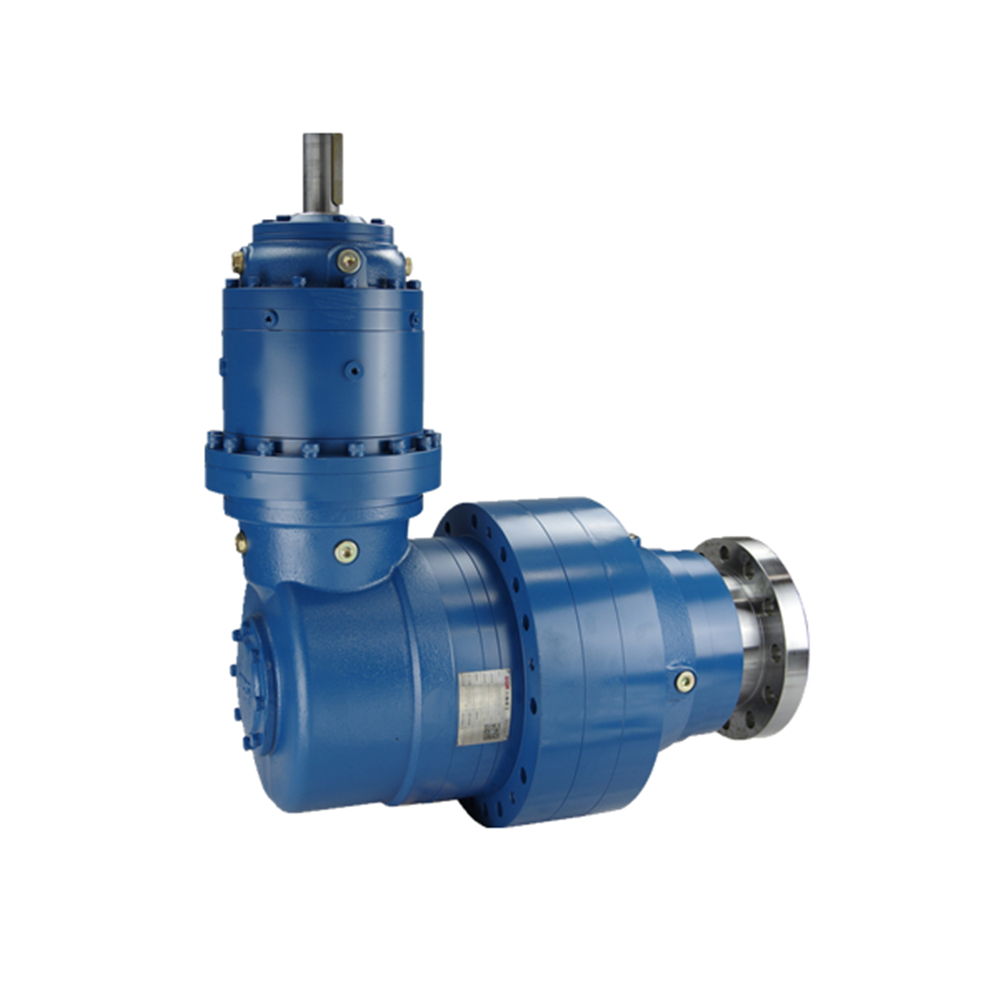
Technical data: 1. Ratio range: 3.15-30002. Input power: 0.25-55KW3. Permit torque rang: ≤ 200000N. ...
See Details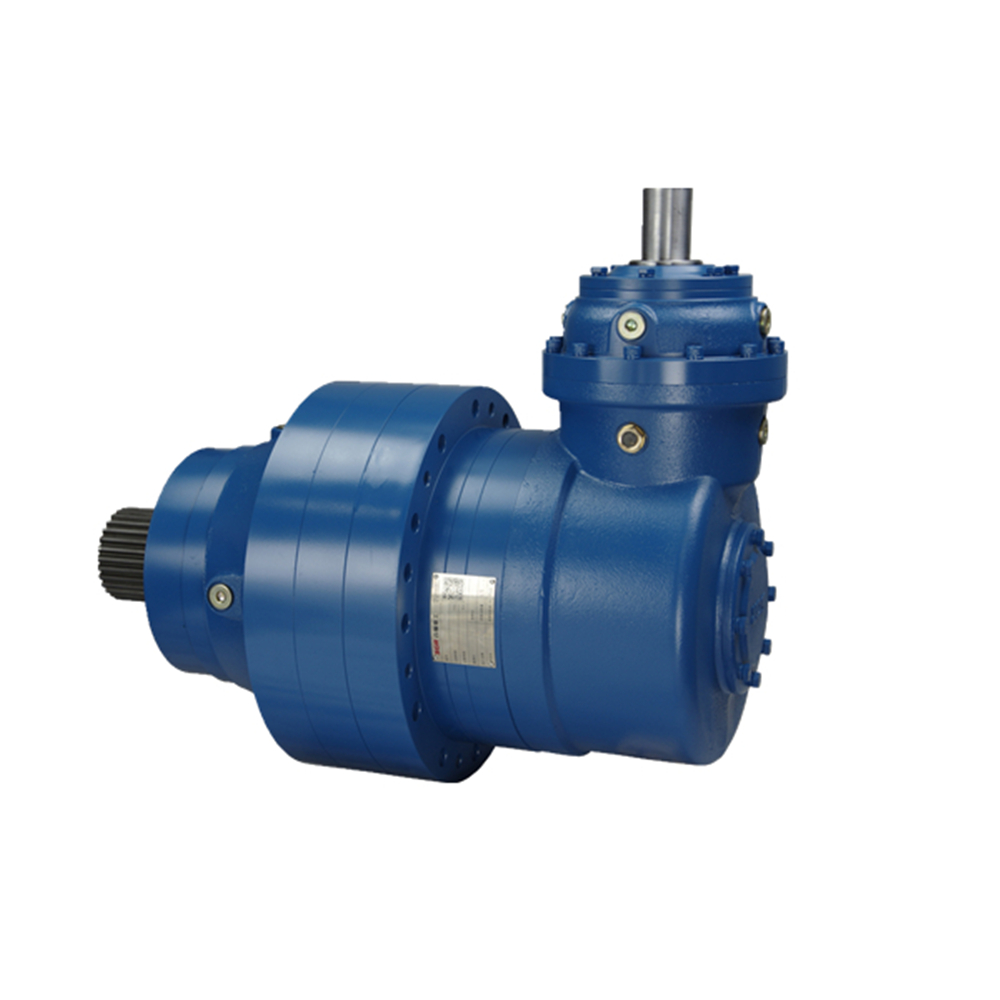
Technical data: 1. Ratio range: 3.15-30002. Input power: 0.25-55KW3. Permit torque rang: ≤ 200000N. ...
See Details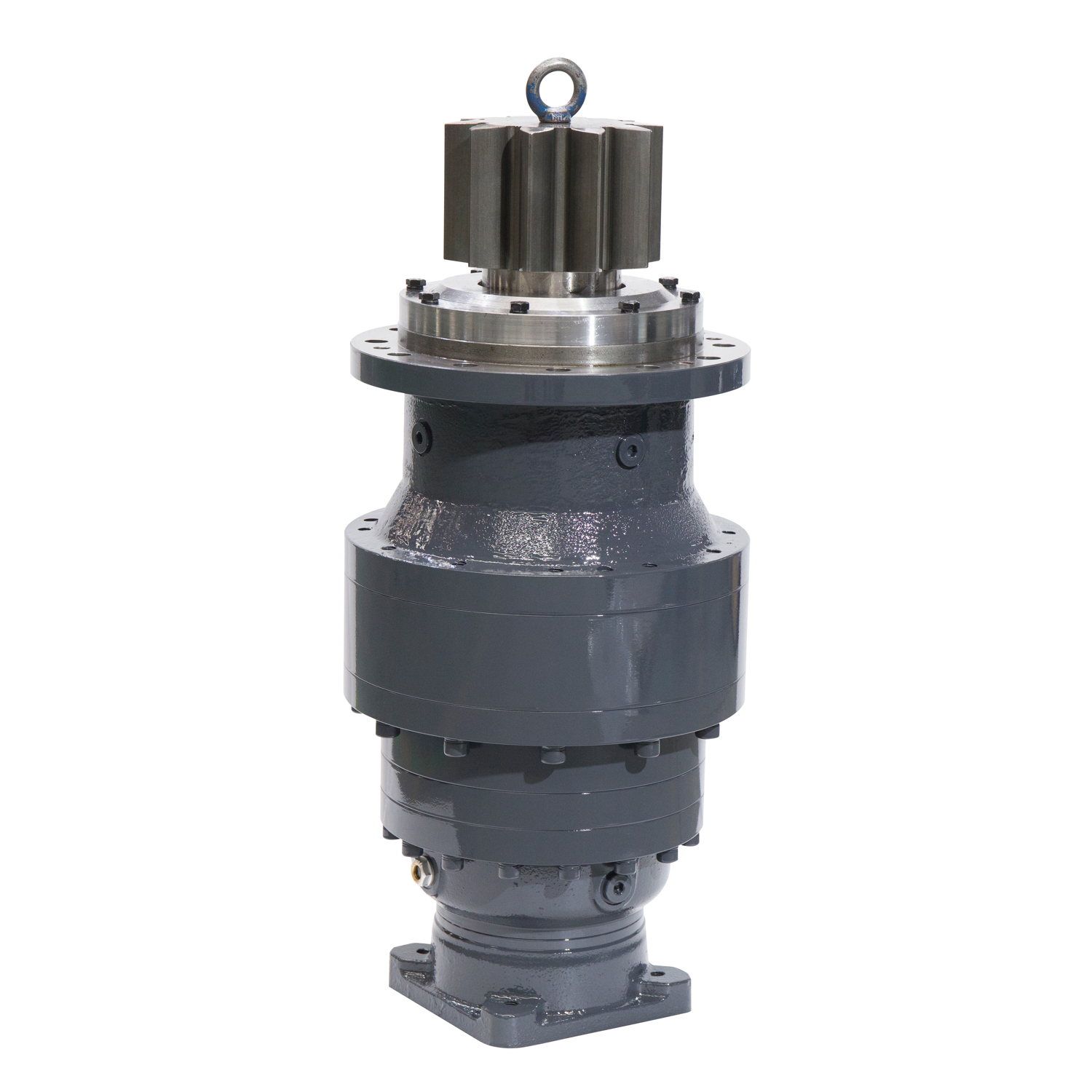
Model: 200-885Ratio: 3.15-7800Output Torque :1500Nm-540000NmRating Power :0.25KW-200kwDescription : ...
See Details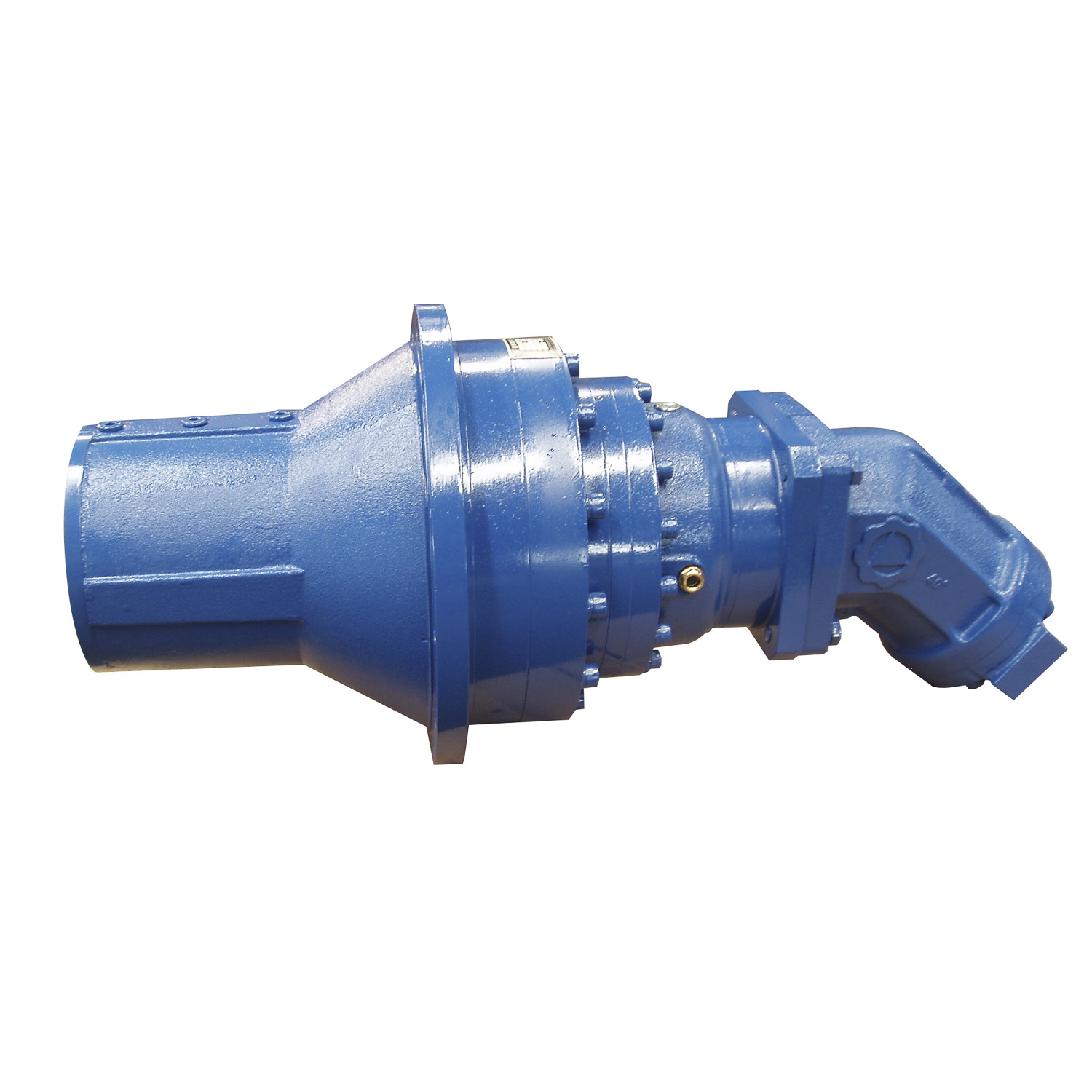
Key feature:Planetary gearbox is produced by modular design, and can be combined according to client...
See Details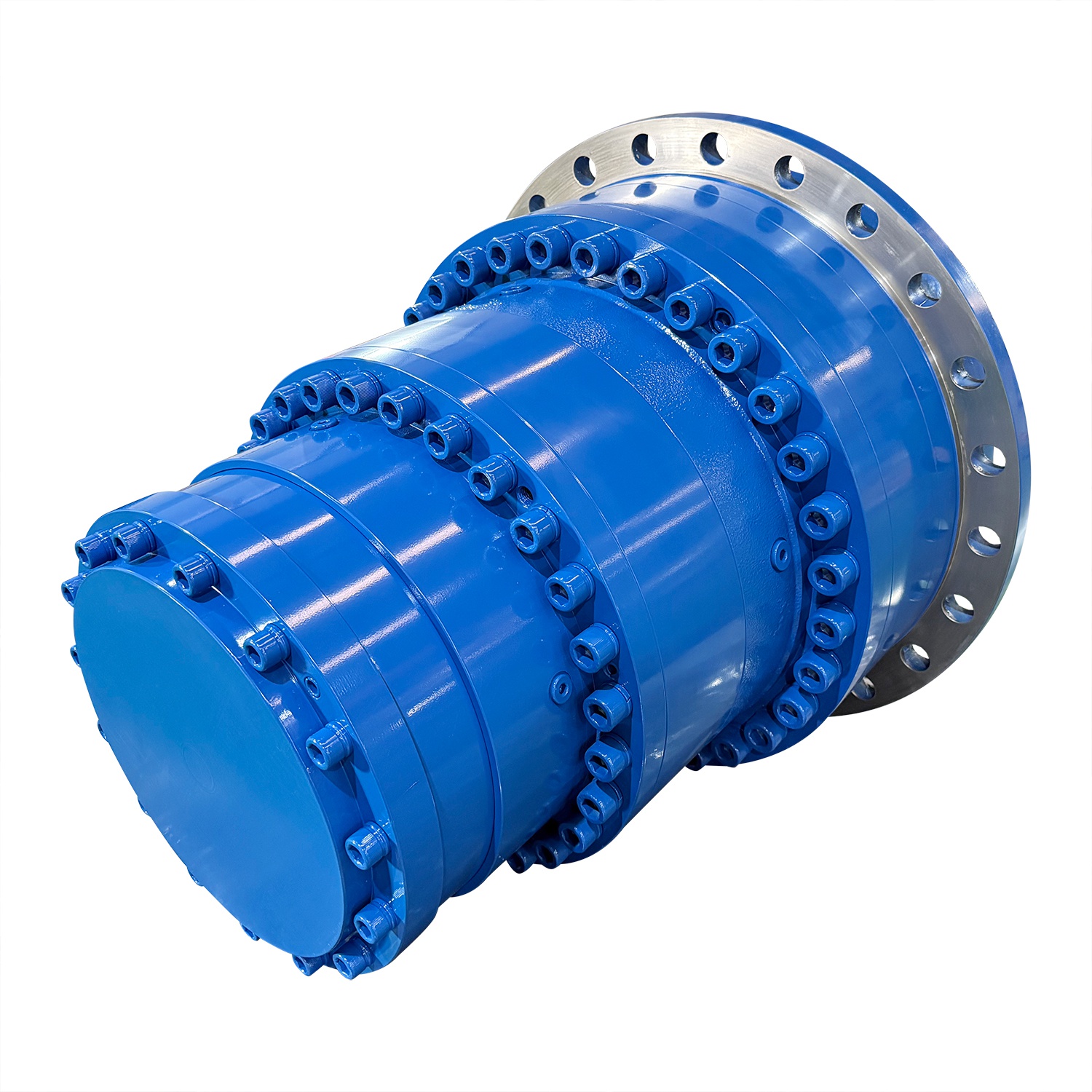
Planetary gear reducers serve as key transmission parts for sightseeing boats sailing along Russia’s...
See Details
SGR is an ISO 9001 certified, DNV-accredited industry gearbox manufacturer since 1996. We supply different gear reducers to brands worldwide.