Global
  English
 中文简体
中文简体 русский
 Español
Shanghai SGR Heavy Industry Machinery Co., Ltd. is a high tech enterprise, it was selected in the li...
See Details
News Directory
The planetary worm gear system represents a fusion of two distinct gear technologies: the high-ratio, perpendicular output of the worm gear, and the high torque density, collinear output of the planetary gearbox. This hybrid configuration is specifically engineered to meet demanding industrial specifications, particularly where space is constrained and a high reduction ratio is necessary. The core engineering question for B2B procurement is whether the system's enhanced compactness and unique features outweigh the inherent efficiency compromises when compared to a traditional, pure planetary gearbox.
Shanghai SGR Heavy Industry Machinery Co., Ltd. is committed to gear transmission innovation, adhering to the industry trend toward modular, compact designs with low noise. Our expertise, honed over a decade and supported by research into Planetary Gearboxes and Planar Double-Enveloping Worm Gear Optimization Design, allows us to assess and deliver gear solutions that leverage the Comparative advantages of planetary worm gear drives for optimal performance.
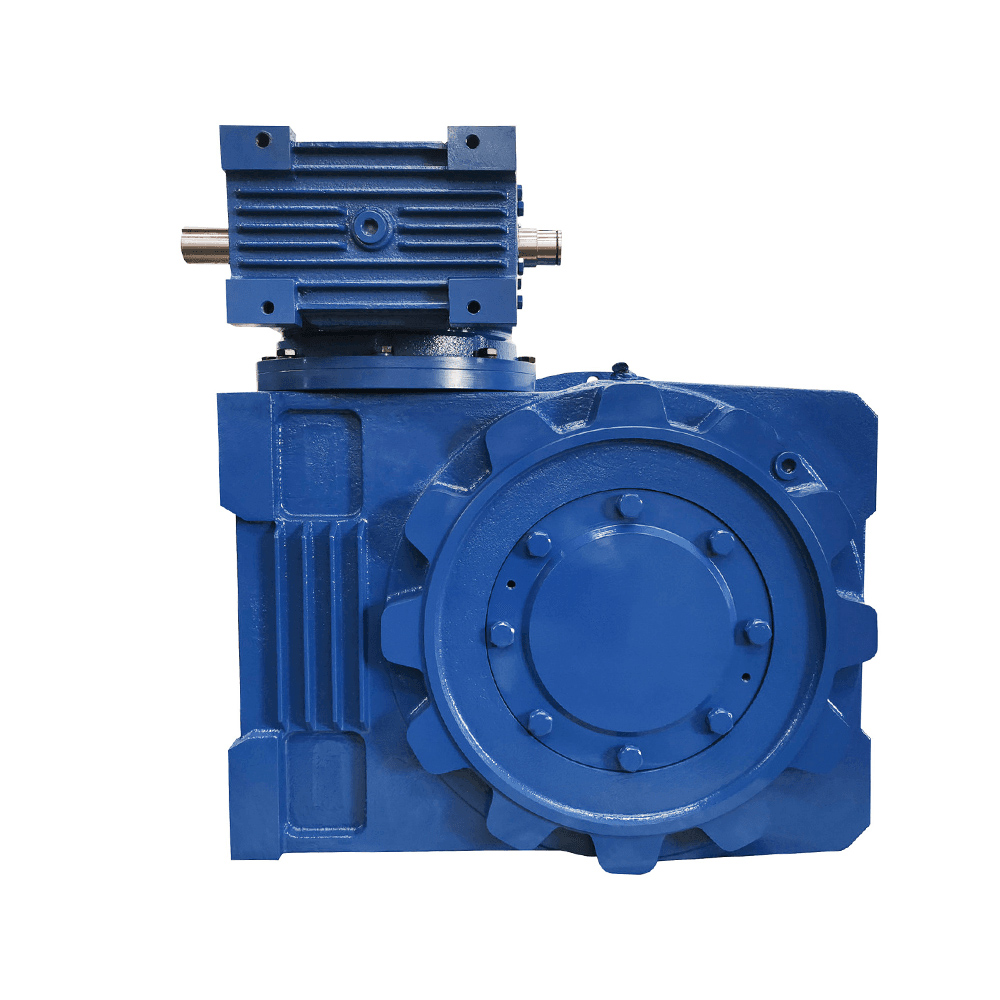
In terms of load capacity, the two designs exhibit fundamentally different strengths based on their contact mechanisms (sliding vs. rolling).
A pure planetary gearbox (rolling contact) excels in distributing load across multiple planet gears, resulting in exceptional torsional rigidity and static load support. Conversely, the worm gear stage in a planetary worm gear system relies on sliding contact (between the worm and the bronze/copper alloy gear wheel). This sliding friction limits the worm gear's thermal load capacity and maximum input speed compared to the planetary design, which is a major consideration in the Planetary worm gear load capacity vs planetary gearbox debate. However, the worm stage provides an invaluable self-locking feature at high ratios, which adds safety and static load holding capability.
The structural rigidity of a pure planetary gearbox (due to its inherently balanced, concentric design) typically provides superior precision and minimal backlash for dynamic applications. While the planetary worm gear system, particularly the output planetary stage, offers robust support for radial and overhung loads, the worm input stage acts as a thermal bottleneck, restricting continuous high-power throughput. Engineers must balance the required continuous torque with the thermal limits imposed by the worm stage.
| Performance Characteristic | Planetary Worm Gear System | Pure Planetary Gearbox |
|---|---|---|
| Thermal Limit / Max Input Speed | Lower (Restricted by worm stage sliding friction) | Higher (Rolling contact allows faster, continuous operation) |
| Static Load Holding / Non-Reversibility | High (Inherent self-locking feature at high ratios) | Low (Requires external brake) |
| Torsional Rigidity / Backlash | Moderate (Influenced by the worm gear manufacturing precision) | Excellent (Symmetric load distribution minimizes play) |
The decision to utilize a hybrid system often boils down to size constraints and ratio achievement capabilities.
The primary spatial advantage of the hybrid design lies in the worm stage's ability to achieve a large reduction ratio (e.g., 60:1) in a single, compact, perpendicular stage. To achieve the same ratio, a pure planetary design would require two or three cascaded stages, significantly increasing the gearbox's axial length. This advantage is critical when conducting a Footprint comparison of planetary worm gear systems, as the hybrid often yields a much shorter, more cubic profile ideal for constrained machine installations.
The major disadvantage of the planetary worm gear system is efficiency. The sliding friction inherent in the worm gear stage can result in efficiency figures ranging from 60% to 90%, depending on the ratio and quality. This is lower than the typical 95% to 98% efficiency per stage of a planetary system. Therefore, the overall efficiency of the hybrid unit is primarily dictated by the Worm gear stage efficiency in combined gearboxes, leading to higher heat generation and increased energy consumption compared to a pure planetary solution for the same output.
The optimal selection depends on the application's duty cycle and required features.
The planetary worm gear system is ideally suited for applications that require high static load holding, infrequent duty cycles, high reduction ratios, and angular drive features, such as indexing tables, stage lighting controls, and material handling where the self-locking feature is desirable. Conversely, pure planetary systems are mandatory for continuous 24/7 operation, robotics, and servo applications where high dynamic efficiency and precise speed control are paramount. The Comparative advantages of planetary worm gear drives are maximized when the self-locking feature is utilized.
To mitigate the inherent thermal and precision issues associated with the worm stage, SGR employs highly specialized manufacturing and design tools. Our research team has developed the Planar Double-Enveloping Worm Gear Optimization Design System and utilizes the domestically innovated Toroidal Worm and Hob Measuring Instrument. This technology is vital in addressing the Technical challenges of planetary worm gear integration, optimizing the contact geometry to maximize efficiency and minimize friction in the worm stage, thereby improving overall system performance and lifetime.
The choice between a pure planetary system and a planetary worm gear hybrid is a strategic one, based on detailed engineering trade-offs. While the pure planetary offers superior dynamic efficiency and continuous load handling, the planetary worm gear system excels in compactness, ratio flexibility, inherent static safety, and meeting specific size constraints. Understanding the Comparative advantages of planetary worm gear drives is crucial for B2B buyers seeking the optimal balance of torque density, footprint, and application requirements.
Shanghai SGR Heavy Industry Machinery Co., Ltd. is a high tech enterprise, it was selected in the li...
See Details
Planetary gear reducers serve as key transmission parts for sightseeing boats sailing along Russia’s...
See Details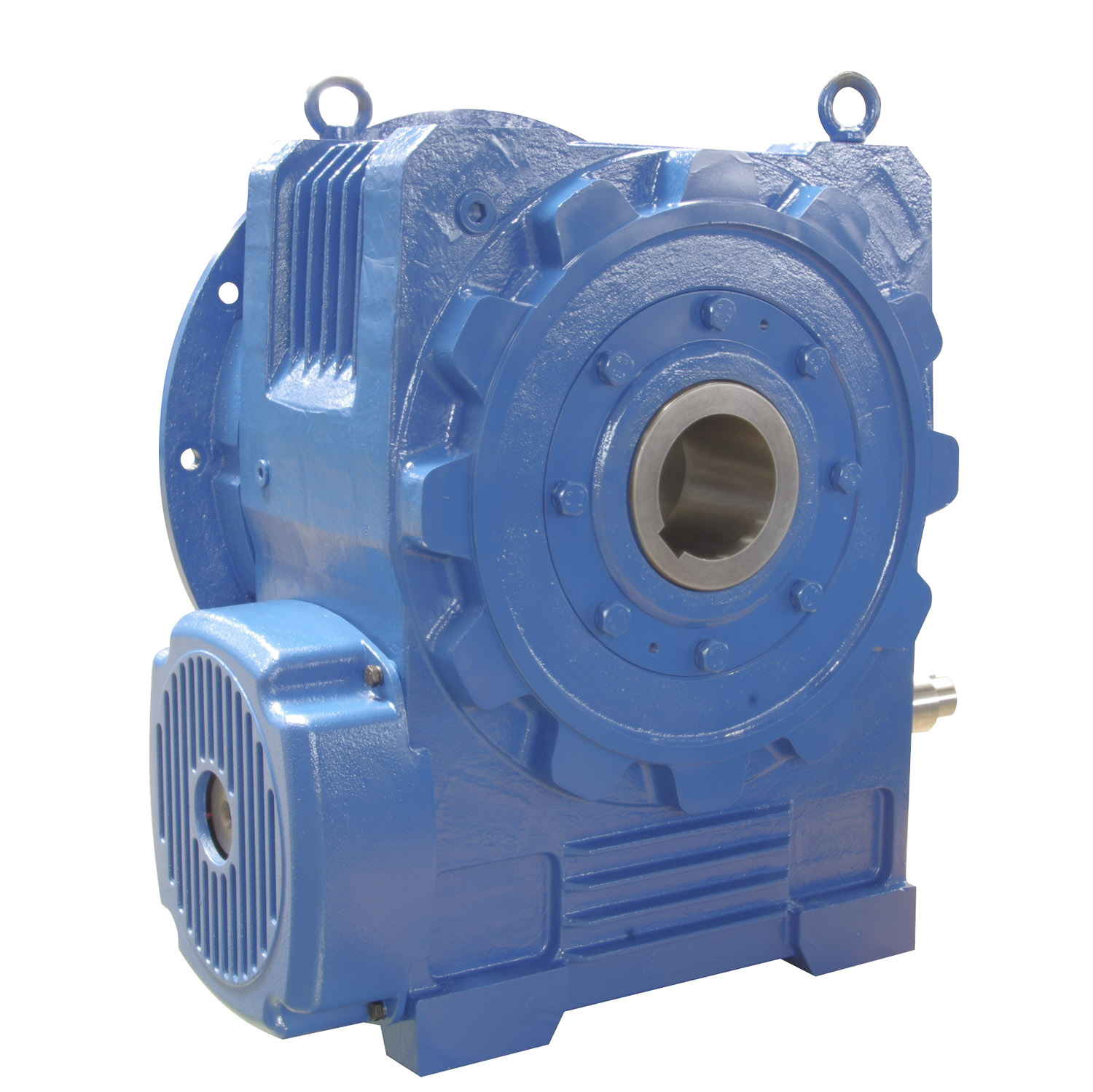
Product Description Series C double enveloping worm gearModel: 100 - 500Ratio: 10 -63Output Torque ...
See Details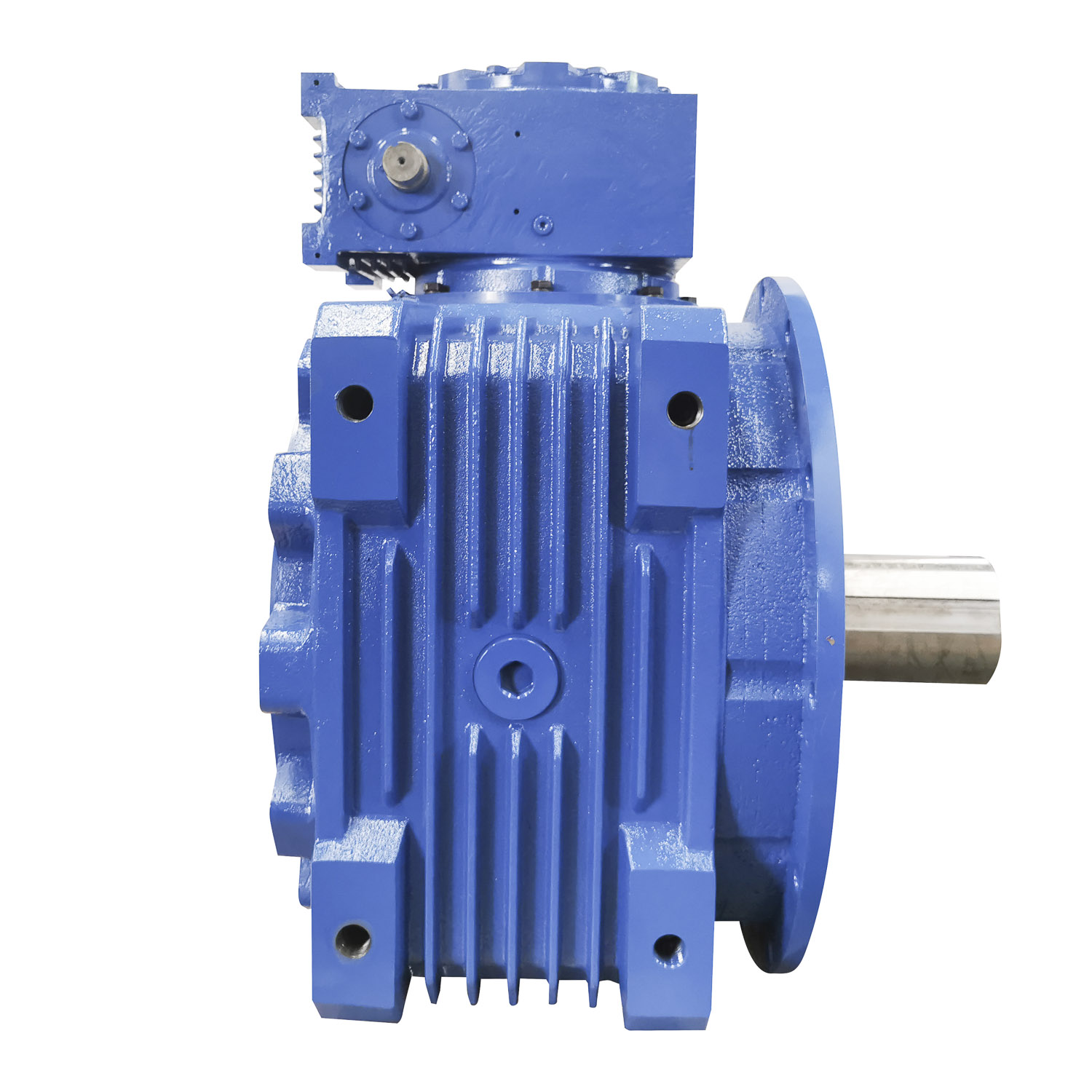
Description :1, High torque double enveloping worm gear adjust toughest working condition .2,Univers...
See Details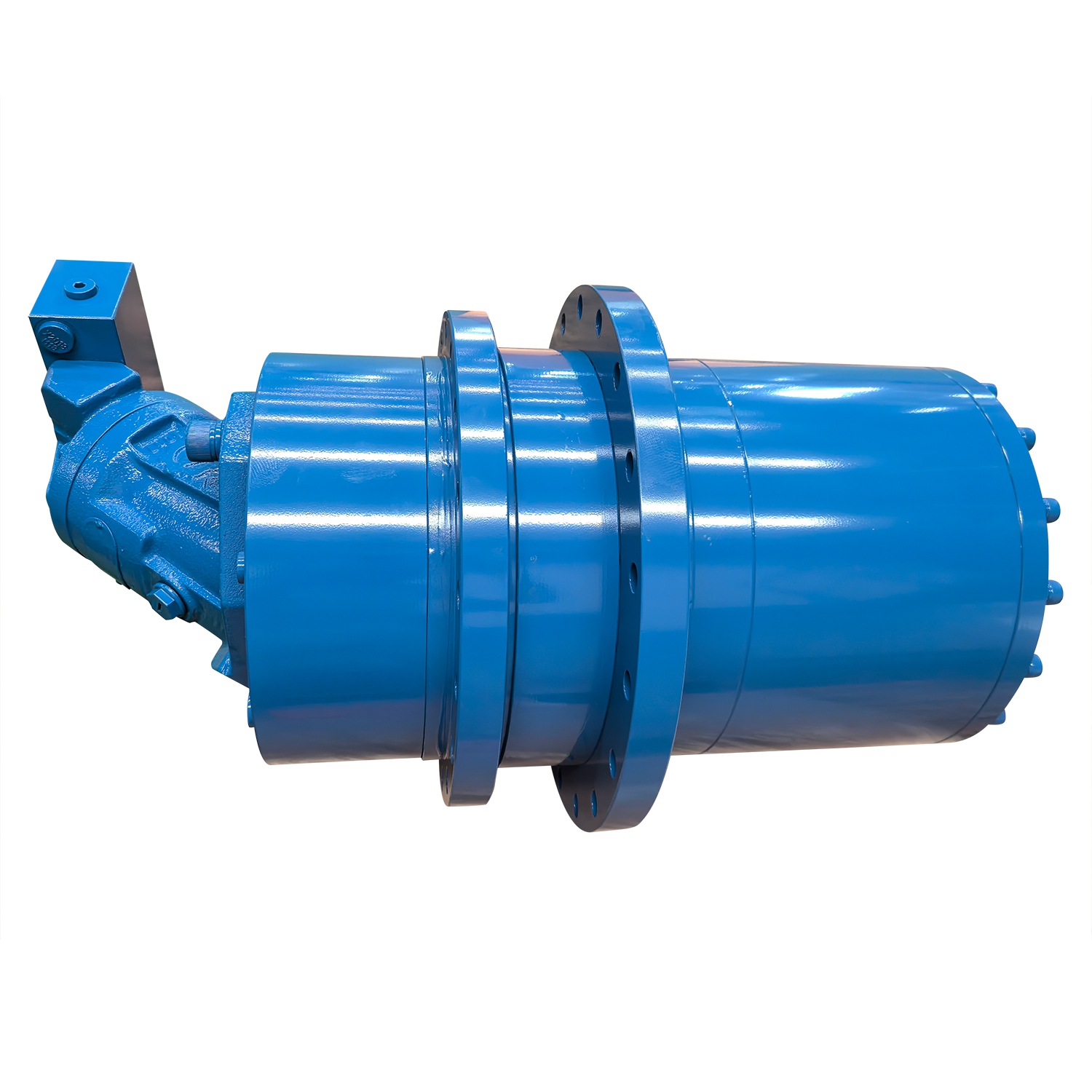
Model: 200-885 Ratio: 3.15-7800 Output Torque :1500Nm-540000Nm Rating Power :0.25KW-200kw Descripti...
See Details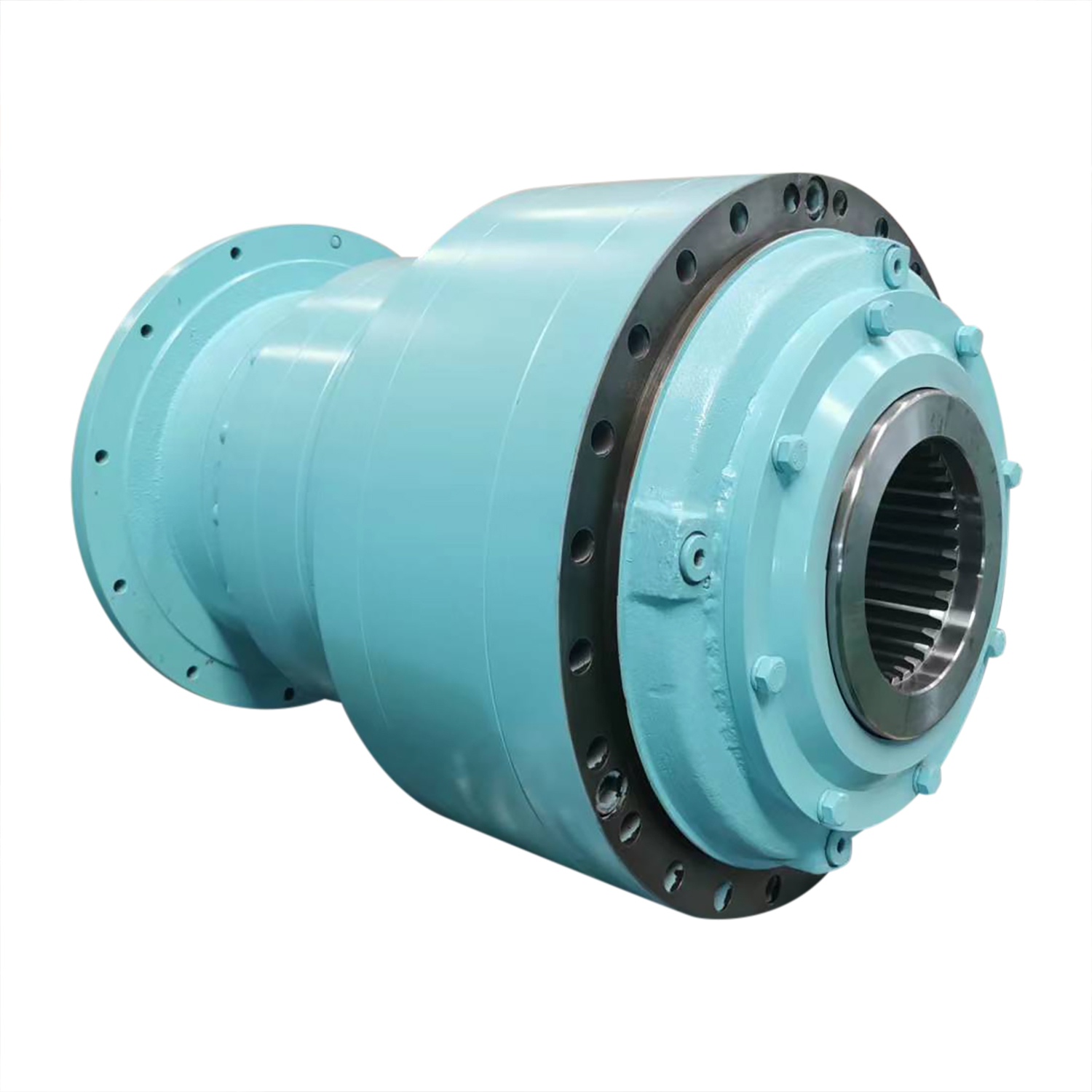
Planetary Gearbox Application For In Electric Drive Model: 200-885Ratio: 3.15-7800Output Torque :15...
See Details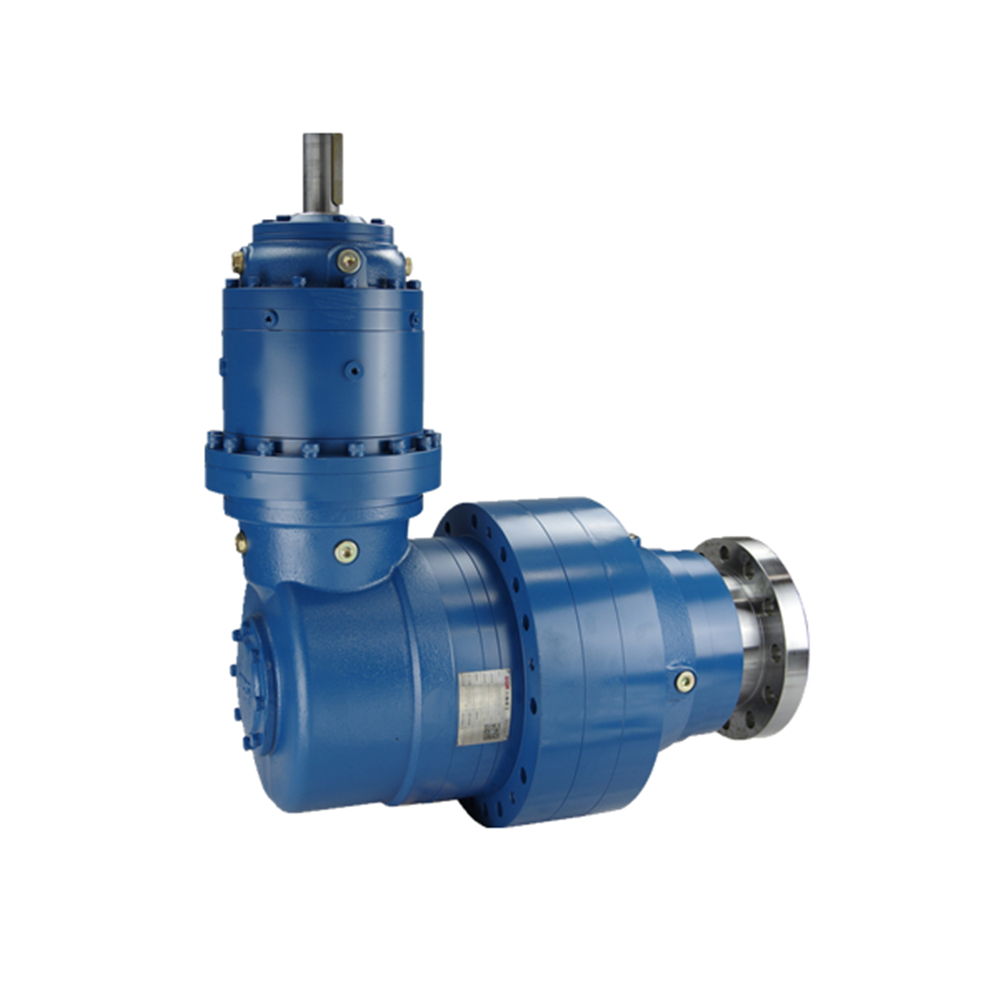
Technical data: 1. Ratio range: 3.15-30002. Input power: 0.25-55KW3. Permit torque rang: ≤ 200000N. ...
See Details
SGR is an ISO 9001 certified, DNV-accredited industry gearbox manufacturer since 1996. We supply different gear reducers to brands worldwide.