Global
  English
 中文简体
中文简体 русский
 Español
Key feature:Planetary gearbox is produced by modular design, and can be combined according to client...
See Details
News Directory
In modern industrial design, optimizing spatial efficiency while maintaining high torque density is a core engineering challenge. While right-angle bevel gear units are often the "default" for turning corners in mechanical layouts, the Cylindrical Reducer—specifically the parallel-shaft helical variety—offers distinct technical advantages in space-limited configurations. Shanghai SGR Heavy Industry Machinery Co., Ltd., a high-tech enterprise recognized for our specialization in gear transmission, focuses on modular and compact designs that minimize vibration and noise. Our R&D team, led by PhDs and senior engineers, has pioneered optimization systems to ensure our industrial parallel shaft cylindrical gearbox series provides maximum performance within the smallest possible footprint.
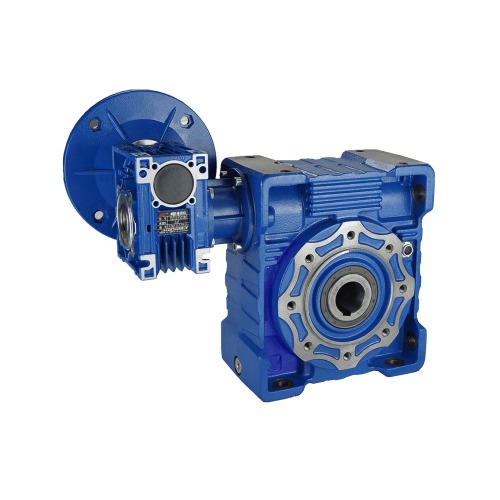
The primary reason to prioritize a parallel-shaft Cylindrical Reducer in a space-constrained environment is its narrow, "flat" form factor. Unlike bevel gearboxes, which require a right-angle protruding footprint, parallel-shaft units allow the motor and the gearbox to sit flush against the machine frame. This is particularly critical in conveyor systems or agitator drives where multiple units must be mounted side-by-side. According to the 2025 Global Industrial Gearbox Market Outlook by Market Research Future, the "equal hub" or parallel-axis segment is projected to grow significantly as automation sectors increasingly demand compact cylindrical gear reducer for conveyors to reduce the overall machine envelope.
Source: Industrial Gearbox Market Size, Share, and Growth Report 2025-2035
While bevel gears are essential for change-of-direction tasks, they introduce higher axial thrust loads and require more complex bearing arrangements than a Cylindrical Reducer. A parallel-shaft unit typically achieves higher single-stage efficiency because it avoids the friction losses inherent in spiral bevel tooth geometry.
| Specification | Parallel-Shaft Cylindrical Reducer | Bevel Gear Reducer (Right-Angle) |
| Energy Efficiency | 96% - 98% per stage | 94% - 97% per stage |
| Form Factor | Flat and narrow (Slim profile) | Wide (Requires right-angle clearance) |
| Thrust Load Management | Primarily radial; simpler bearing design | High axial and radial; complex bearings |
| Installation Flexibility | Parallel to machine wall | Perpendicular to machine wall |
For applications requiring a high torque cylindrical gear unit for mining or steel manufacturing, the parallel-shaft design excels due to its inherent rigidity. By distributing loads across multiple helical gear stages within a split-path or coaxial arrangement, the Cylindrical Reducer minimizes shaft deflection under extreme stress. Industry data from Grand View Research indicates that by 2025, high-strength composite materials and advanced carburizing techniques will allow gearboxes to reduce weight by up to 30% while maintaining the same load-bearing capacity. SGR's use of CNC-grinding and the "Planar Double-Enveloping" optimization ensures that our durable helical cylindrical reducer for machinery meets these evolving standards for torque density and service life.
Source: Gearbox Trends for 2025: Efficiency and Sustainable Growth
The simplicity of the parallel-shaft architecture often leads to lower maintenance costs and longer Mean Time Between Failures (MTBF) compared to bevel units, which are more sensitive to slight shaft misalignments.
| Technical Detail | Parallel-Shaft Cylindrical Type | Right-Angle Bevel Type |
| Alignment Sensitivity | Moderate; tolerant of minor axial float | High; requires precise pinion positioning |
| Noise Level | Low (Helical gears offer smooth overlap) | Moderate (Spiral bevels can be noisy) |
| Maintenance Complexity | Low; standard seals and bearings | Moderate; specialized shimming required |
| Thermal Capacity | Excellent heat dissipation via surface area | Concentrated heat in the bevel stage |
Choosing a Cylindrical Reducer is not just about the hardware; it is about the precision engineering behind it. At Shanghai SGR, we utilize advanced 3D Measuring Machines and domestically innovated Toroidal Worm and Hob Measuring Instruments to ensure the highest gear accuracy. Our low noise cylindrical reducer for automation is designed to meet the 2025 robotics industry requirement of controlling transmission errors within minimal arc-minutes. By integrating modular designs, we allow B2B clients to swap components easily, ensuring that even a custom cylindrical speed reducer for heavy industry remains serviceable and adaptable to changing site requirements.
Generally, a Cylindrical Reducer is more cost-effective for high-torque applications because it uses standardized helical gears, whereas bevel gears involve more complex manufacturing and assembly processes.
Yes, our industrial parallel shaft cylindrical gearbox series supports multiple mounting orientations, including vertical setups, provided that the lubrication system is optimized for the specific angle.
Due to the helical tooth profile, a low noise cylindrical reducer for automation typically runs quieter than straight or spiral bevel gears, which is a key requirement for modern indoor factory environments.
Our high torque cylindrical gear unit for mining can be engineered for extreme capacities, leveraging our high-tech product conversion research and optimized gear profiles for heavy-duty service.
The split-path design in a Cylindrical Reducer allows for more uniform stress distribution on bearings, making it ideal for variable loads and high-power industrial machinery.
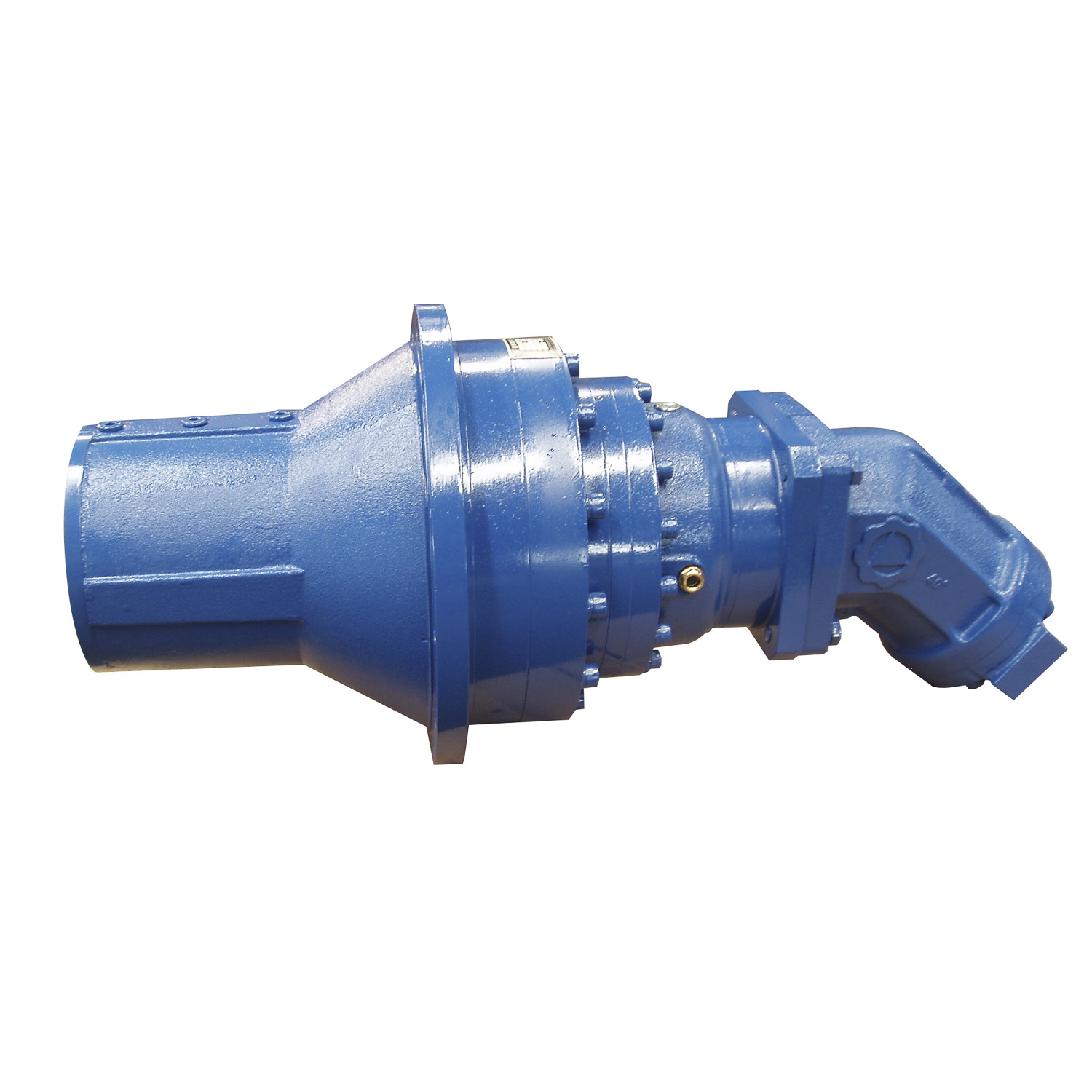
Key feature:Planetary gearbox is produced by modular design, and can be combined according to client...
See Details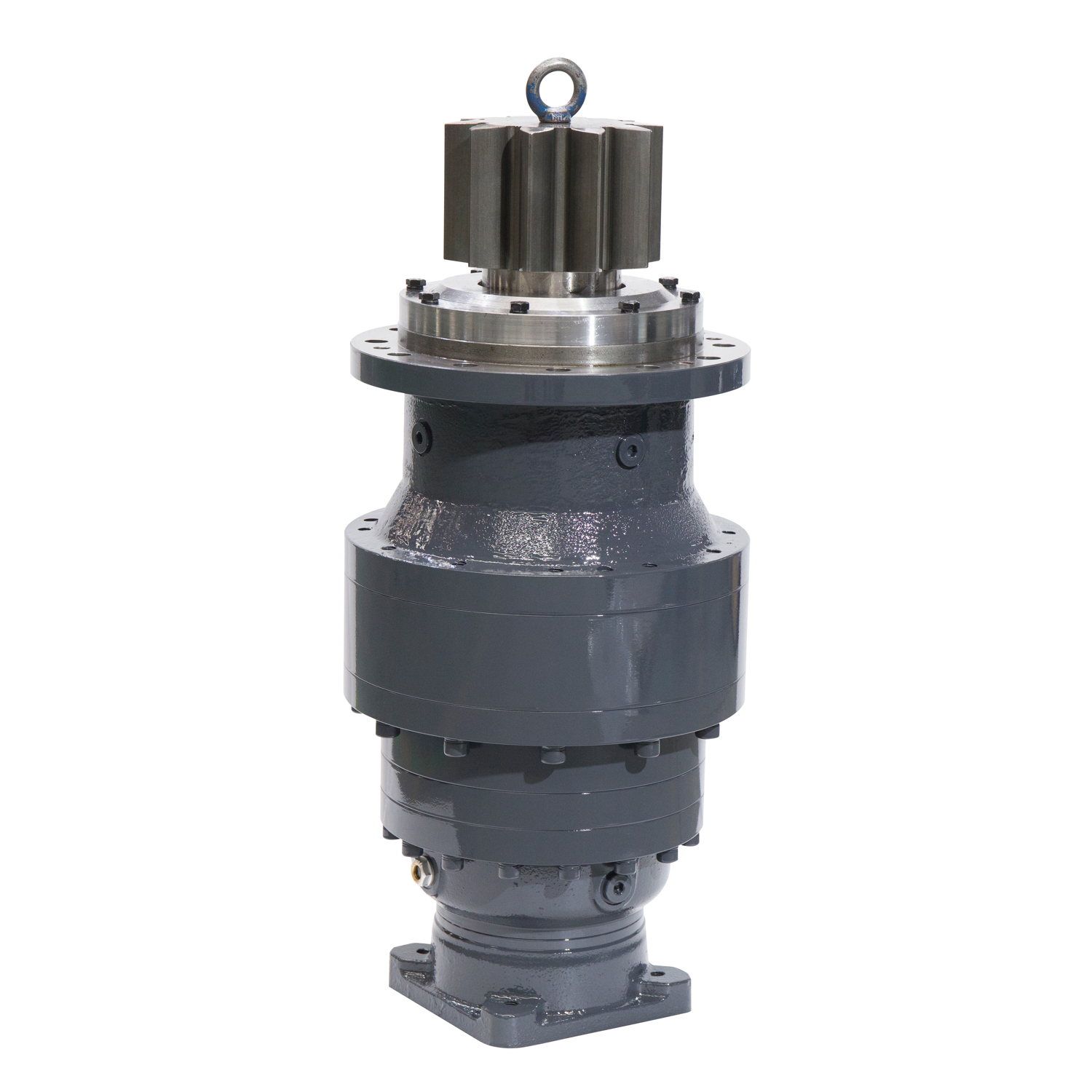
Model: 200-885Ratio: 3.15-7800Output Torque :1500Nm-540000NmRating Power :0.25KW-200kwDescription : ...
See Details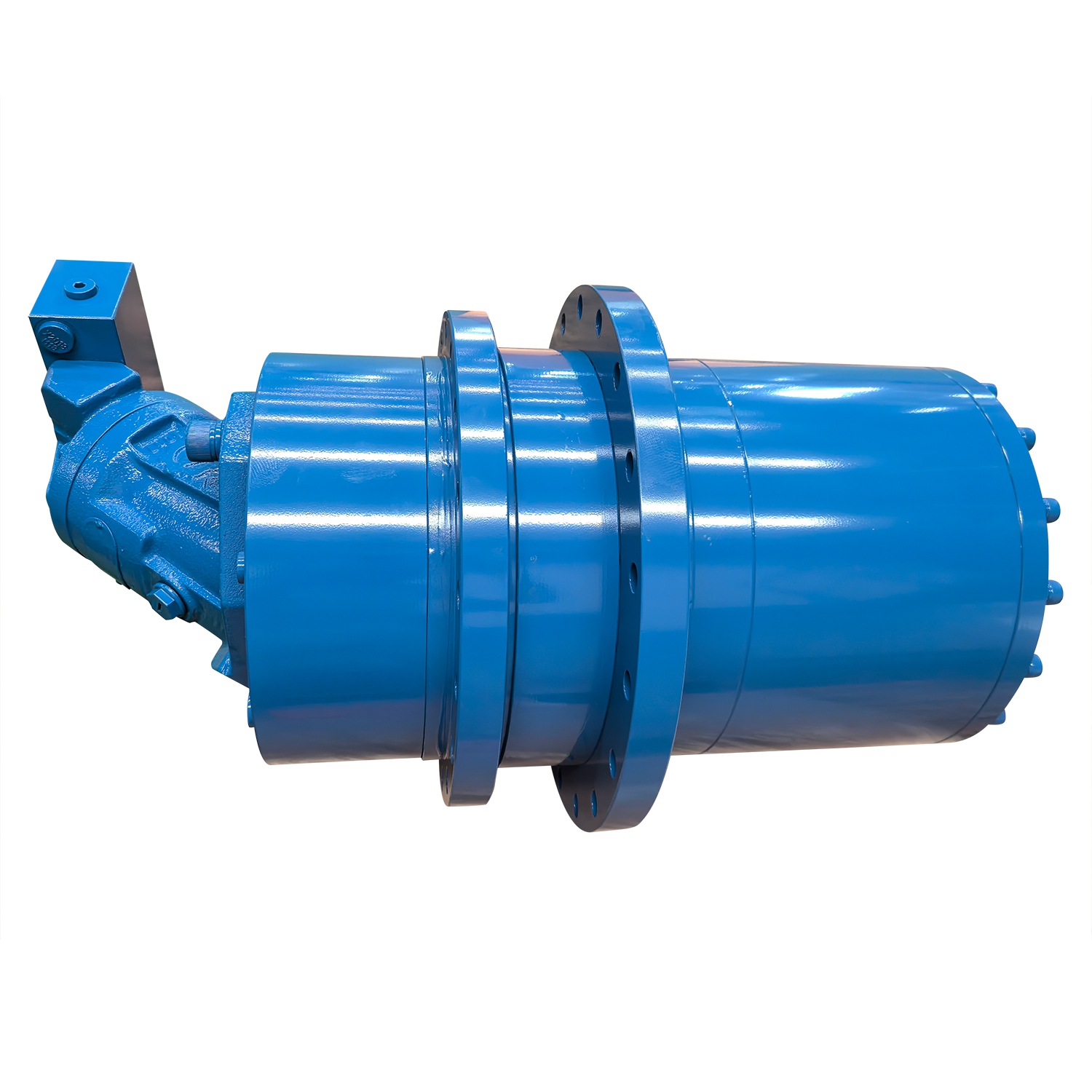
Model: 200-885 Ratio: 3.15-7800 Output Torque :1500Nm-540000Nm Rating Power :0.25KW-200kw Descripti...
See Details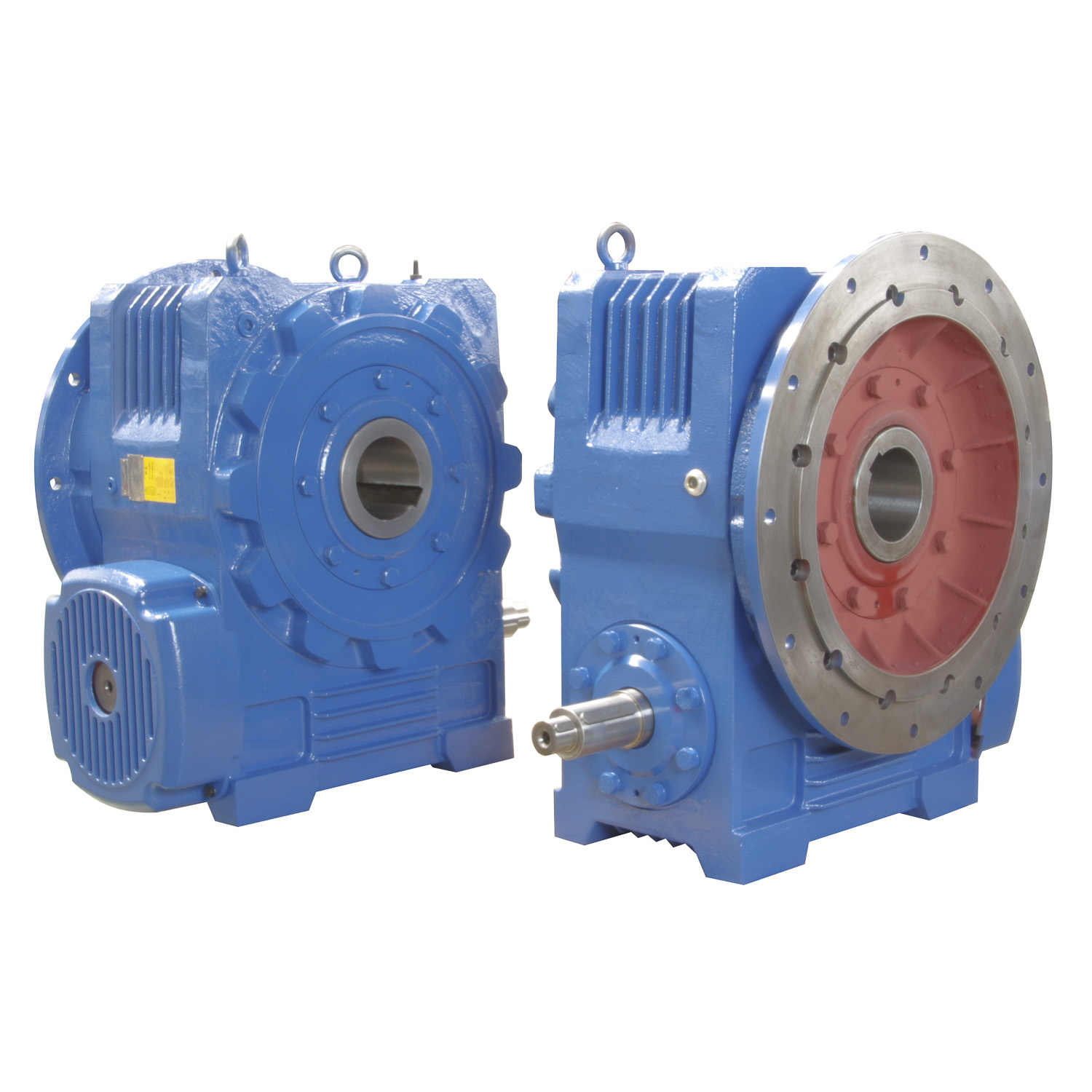
In term of difference of double enveloping worm gear design and traditional worm gear design , do...
See Details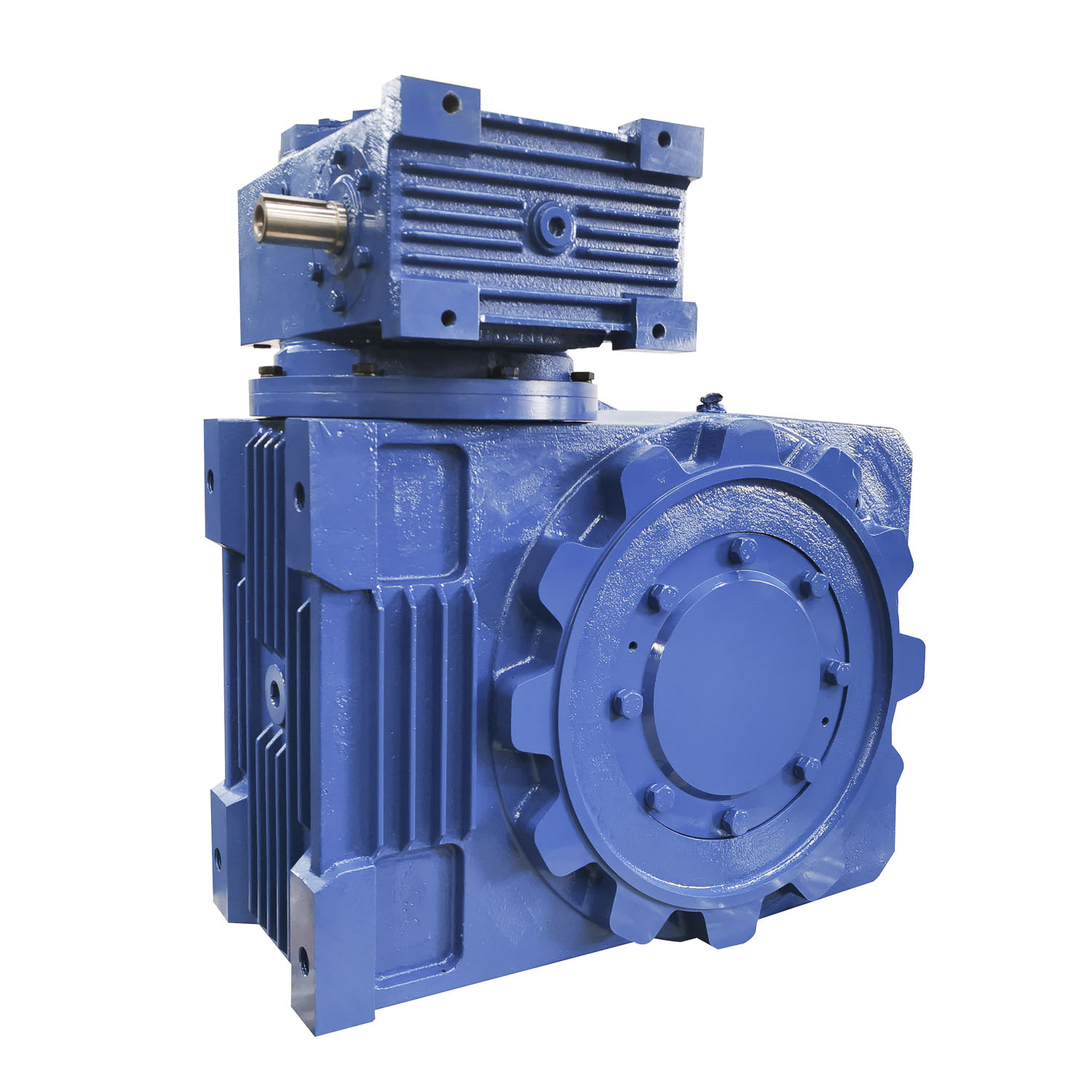
Parameters of SGR's Cast Iron Reducer Double Enveloping Worm Gearbox: Output Torque : 683 - 51180 N....
See Details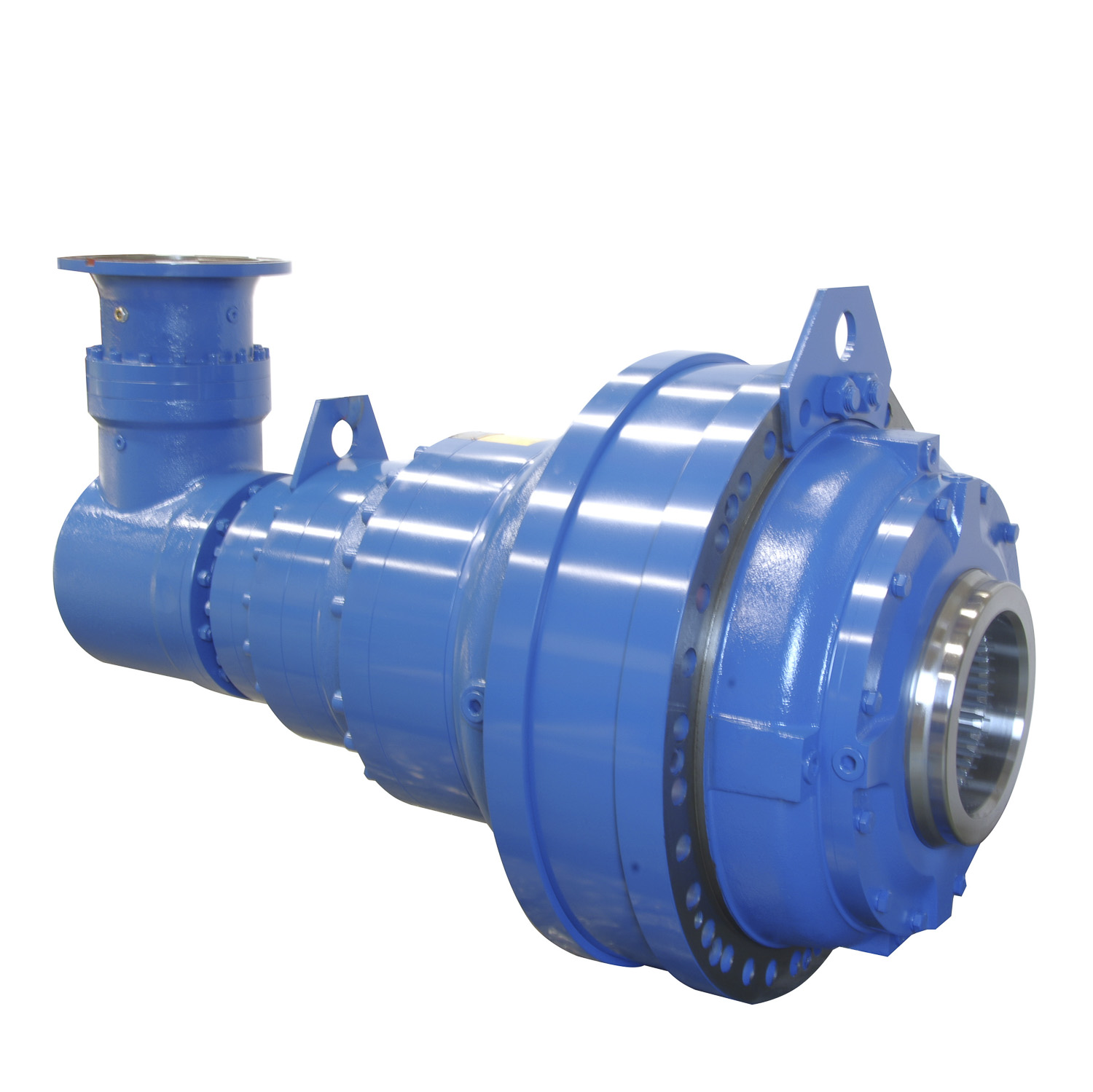
Planetary gearbox is produced by modular design, and can be combined according to client's request H...
See Details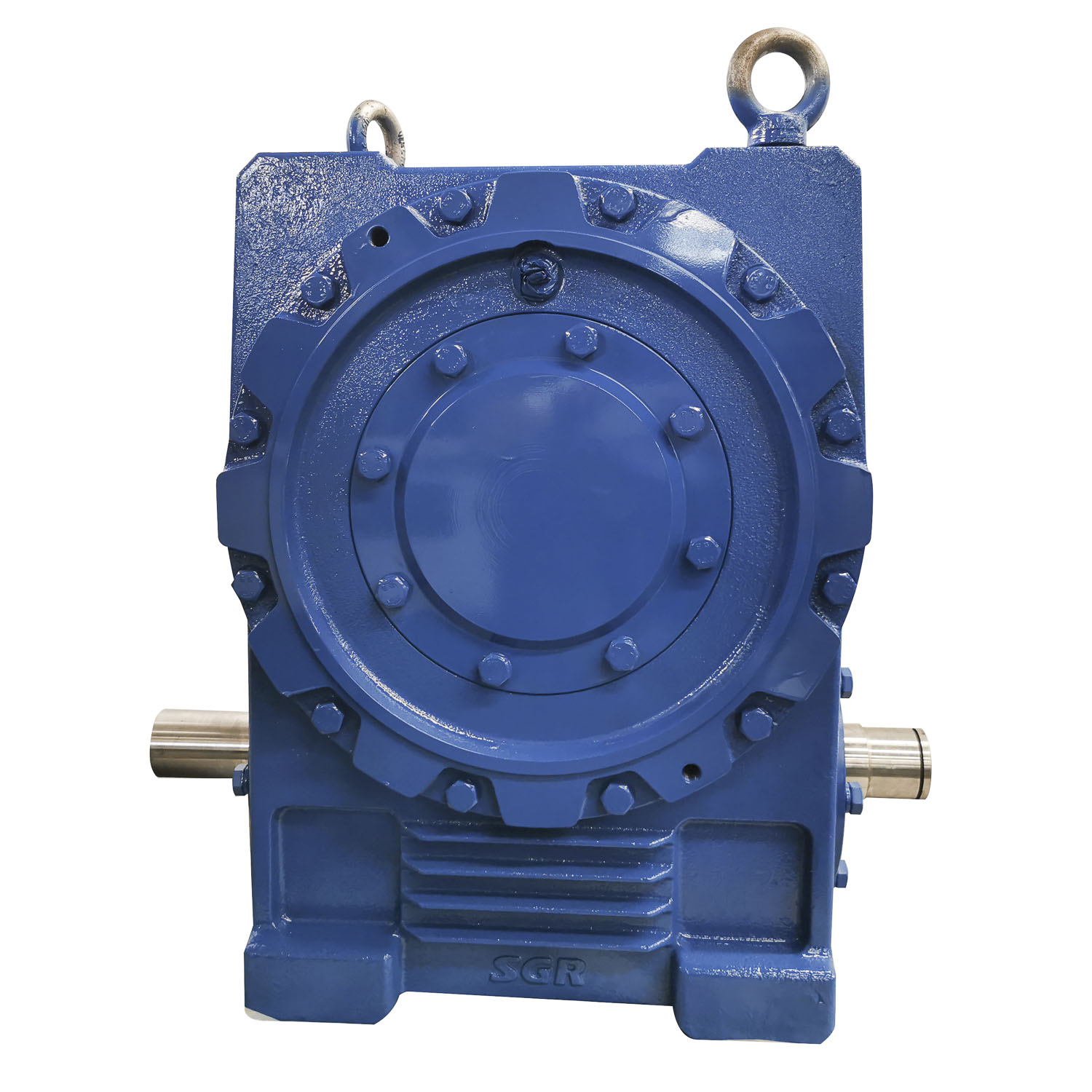
SGR's C Series double enveloping worm gear reducerModel: 100 - 500Ratio: 10 -63Output Torque : 683...
See Details
SGR is an ISO 9001 certified, DNV-accredited industry gearbox manufacturer since 1996. We supply different gear reducers to brands worldwide.