 Global
  English
 中文简体
中文简体 русский
 Español
Product Info: The MNC3E400 series high speed and high torque industrial planetary gear reducers are ...
See Details
News Directory
As a type of emerging power transmission equipment, double enveloping worm gear reducers have been widely adopted in recent years for applications such as hoisting machinery, small winches, belt conveyors, and river sluice gates, thanks to advantages such as high gear ratios, excellent performance, and low cost.
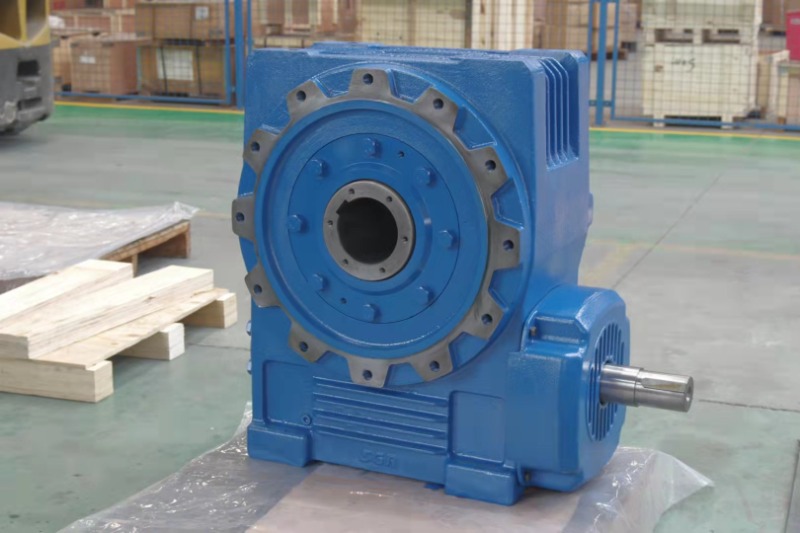
Double enveloping worm gear reducers are also SGR’s core products. In this article, we will introduce the features,applications and selection considerations of the double enveloping worm gear reducers.
A double enveloping worm gear reducer consists primarily of a worm and a worm wheel; typically, the angle between the two intersecting axes is 90°, and the unit is used to transmit motion and power between these non-parallel, non-intersecting shafts. The worm acts as the driving element; in terms of appearance, the worm resembles a bolt, while the worm wheel looks much like a helical cylindrical gear.
The worm is a gear featuring one or more helical threads that mesh with a worm wheel to form a gear pair for non-parallel, non-intersecting axes. Its pitch surface may be cylindrical, conical, or toroidal. During operation, the teeth of the worm wheel slide and roll along the helical surface of the worm. At first glance, it looks like a screw driving a large gear.
However, it is important to note that the operation of a double enveloping worm gear reducer is not a standard gear-meshing action; rather, it involves the threads driving the gear.
When the motor drives the worm to rotate at high speed, the helical threads on the worm—acting like a screw—continuously push against the teeth of the worm gear, causing it to rotate slowly around its own axis. It takes many rotations of the worm to drive the worm gear through a single rotation; this reduction in speed results in an increase in torque.
However, unlike standard gear drives—which primarily involve rolling friction combined with a small amount of sliding friction—worm gear drives rely almost entirely on sliding friction throughout operation. Consequently, worm gear reducers tend to generate significant heat and experience considerable wear.
A double enveloping worm gear reducers possess the following characteristics:
Double enveloping worm gear reducers possess a unique characteristic not found in other types of reducers: self-locking capability.
This means that when the lead angle of the worm is smaller than the equivalent friction angle between the gears, the unit exhibits reverse-motion self-locking; in other words, the worm can drive the worm wheel, but the worm wheel cannot drive the worm.
This feature is essential for lifting mechanisms. For instance, in applications such as lifting platforms, electric hoists, valve actuators, and medical lifting beds, using a planetary gear reducer or an RV reducer would result in the load free-falling due to reverse rotation during a power outage. In contrast, a double enveloping worm gear reducer would lock in place, ensuring absolute safety.
The primary application areas for double enveloping worm gear reducers—including cranes, bridge cranes, elevators, stage lifts, rotating platforms, and amusement park rides—further demonstrate the importance of this feature.
Double enveloping worm gear reducers operate based on sliding friction. Their reduction ratios typically range from 5:1 to 100:1; the higher the reduction ratio, the smaller the lead angle and the lower the efficiency. When selecting a double enveloping worm gear reducer, it is necessary to consider both the reduction ratio and efficiency to choose a model that meets the requirements for both parameters.
Additionally, for long-term operation, heat dissipation measures must be considered—such as installing fans or oil cooling systems, or selecting a cast-iron housing equipped with cooling fins.
The materials and manufacturing processes are critical factors determining the performance of double enveloping worm gear reducers. Leading manufacturers typically use alloy steel (such as 20CrMnTi) for the worm and tin bronze (ZCuSn10P1) or aluminum bronze for the worm gear—materials that offer excellent wear and friction-reducing properties. Components undergo carburizing, quenching, and grinding to achieve high hardness and enduring wear resistance, resulting in high transmission efficiency and a long service life.
In contrast, if cast iron is substituted for the worm gear material in inferior products, the service life is significantly reduced.
Double enveloping worm gear reducers possess self-locking capabilities that effectively enhance mechanical safety; consequently, they are frequently used in equipment requiring lifting, tilting, inverting, or gate actuation—such as freight elevators, automated parking systems, stage lifts, sluice gates, and welding positioners.
When selecting a double enveloping worm gear reducer, if the unit is intended for lifting, tilting, or maintaining position (e.g., in lifting platforms or gates), its self-locking capability is a critical factor. Additionally, since worm gear reducers offer lower shock resistance compared to planetary gear reducers, careful consideration is required if the application involves shock loads.
Double enveloping worm gear reducers are primarily suited for low-speed, high-torque applications. Before selection, verify that the actual output torque meets the following criterion: Actual Output Torque ≤ Rated Output Torque × Service Factor (the service factor is determined by the load type, typically ranging from 1.2 to 2.0).
Additionally, most mainstream manufacturers employ modular designs for worm gear reducers, offering various mounting configurations such as foot mounting, flange mounting, and hollow shaft mounting. As these units typically feature a right-angle output, it is essential to confirm compatibility with the equipment layout. Furthermore, attention must be paid to interface specifications—such as shaft extension dimensions, keyway specifications, and flange hole spacing—to prevent installation issues on-site.
Starting at the source by choosing a trustworthy and reliable manufacturer can save a great deal of trouble. If the double enveloping worm gear reducer is intended for use in specialized equipment—such as marine vessels, elevators, or lifting machinery—it is advisable to verify whether the manufacturer holds the relevant industry certifications; for example, marine applications ideally require certification from the Russian Maritime Register of Shipping (RS).(Author, SGR, Angie Zhang)
WhatsApp: +86 188 1807 0282
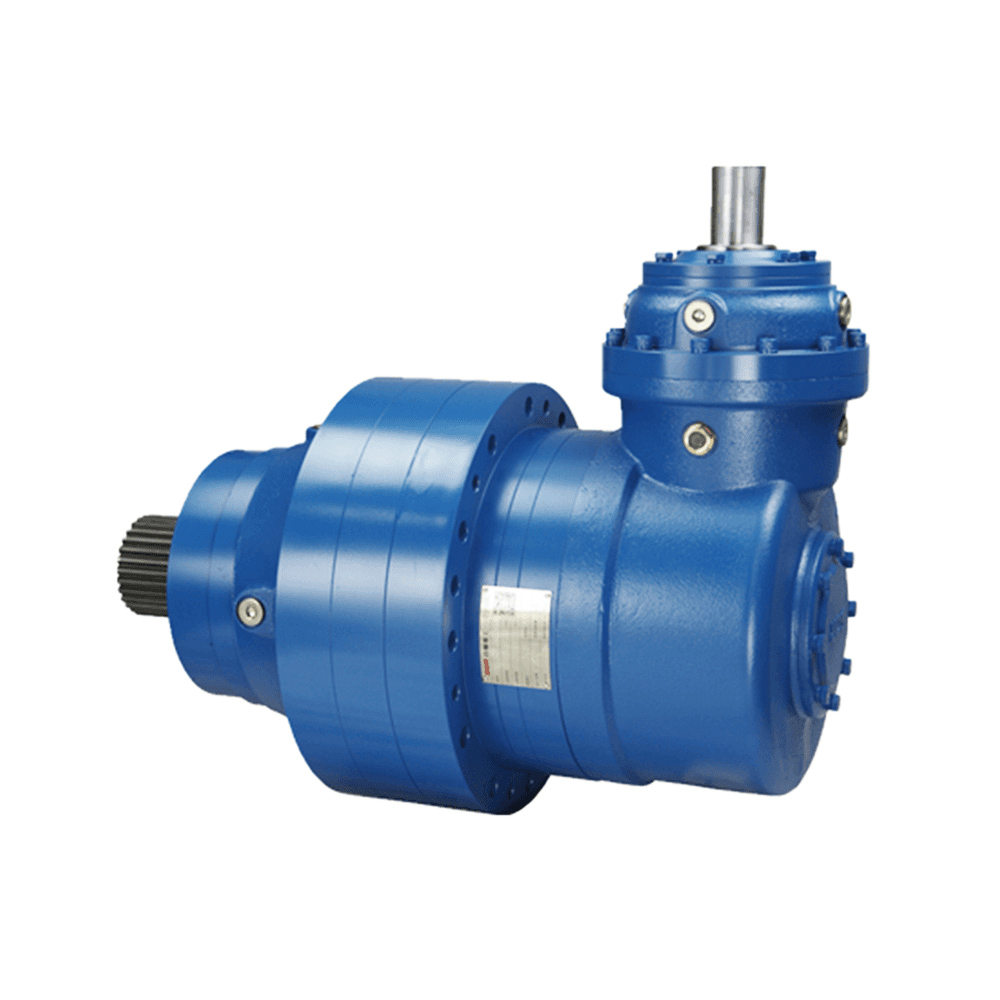
Product Info: The MNC3E400 series high speed and high torque industrial planetary gear reducers are ...
See Details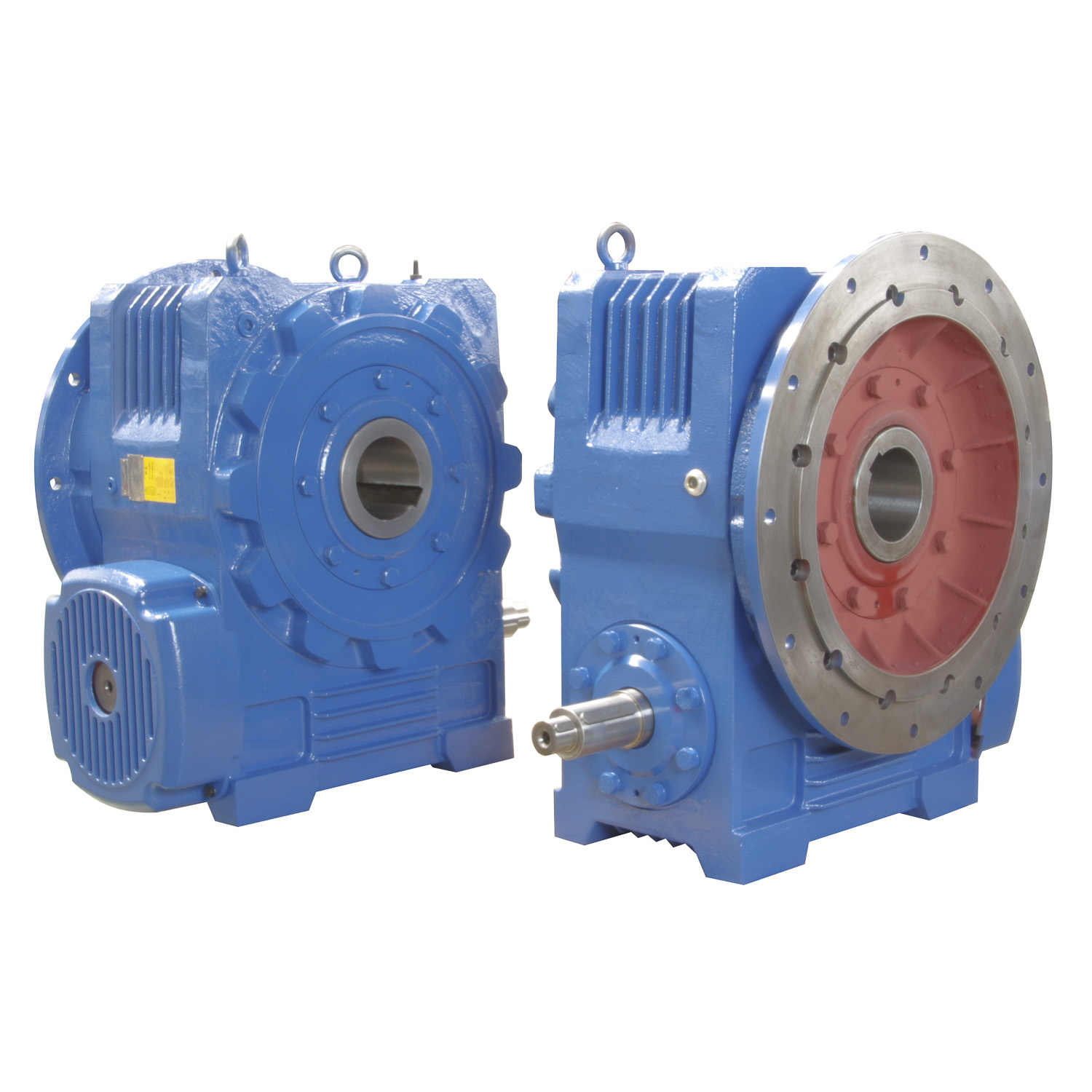
In term of difference of double enveloping worm gear design and traditional worm gear design , do...
See Details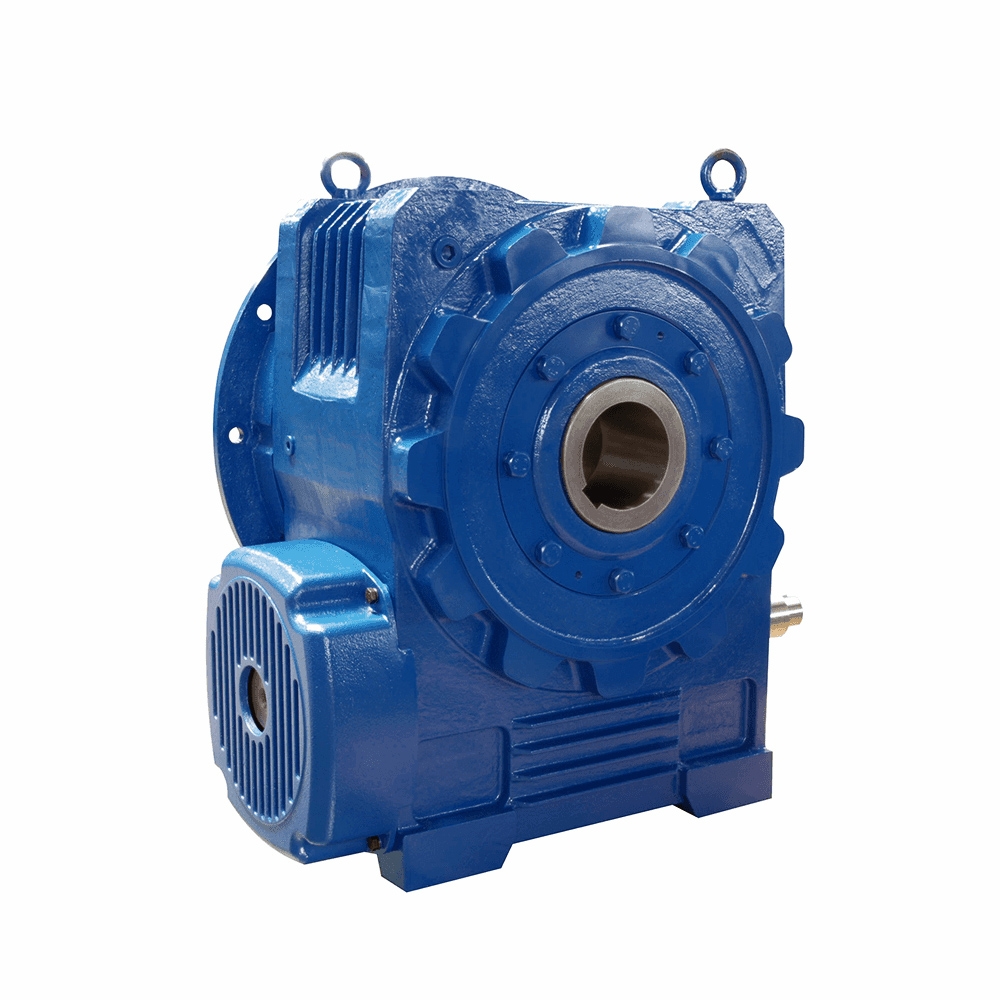
Center distance: 100~710 mm Speed ratio: i ≥ 10. Design modularization, specification serialization,...
See Details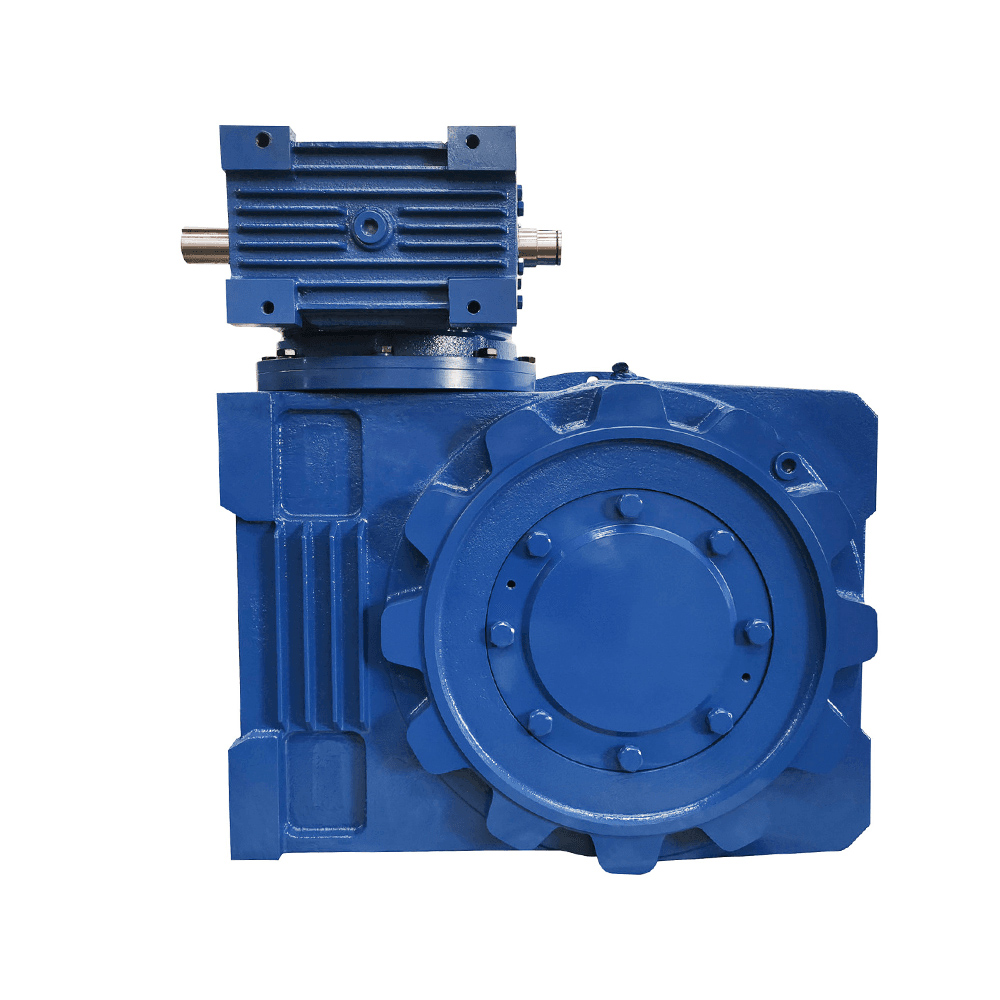
Center distance: 100~710 mm Speed ratio: i ≥ 10. Design modularization, specification serialization,...
See Details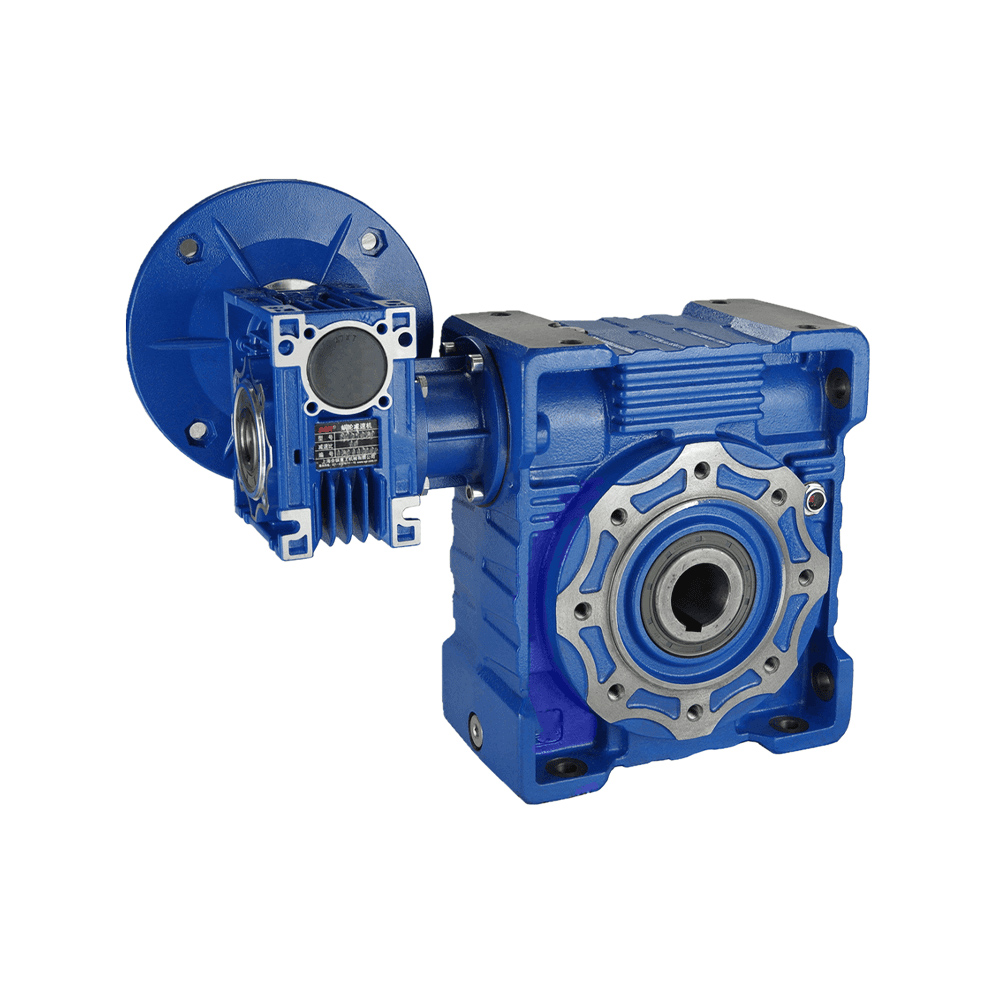
SGR develops and manufactures specialized worm gear reducers for logistics machinery attachments. T...
See Details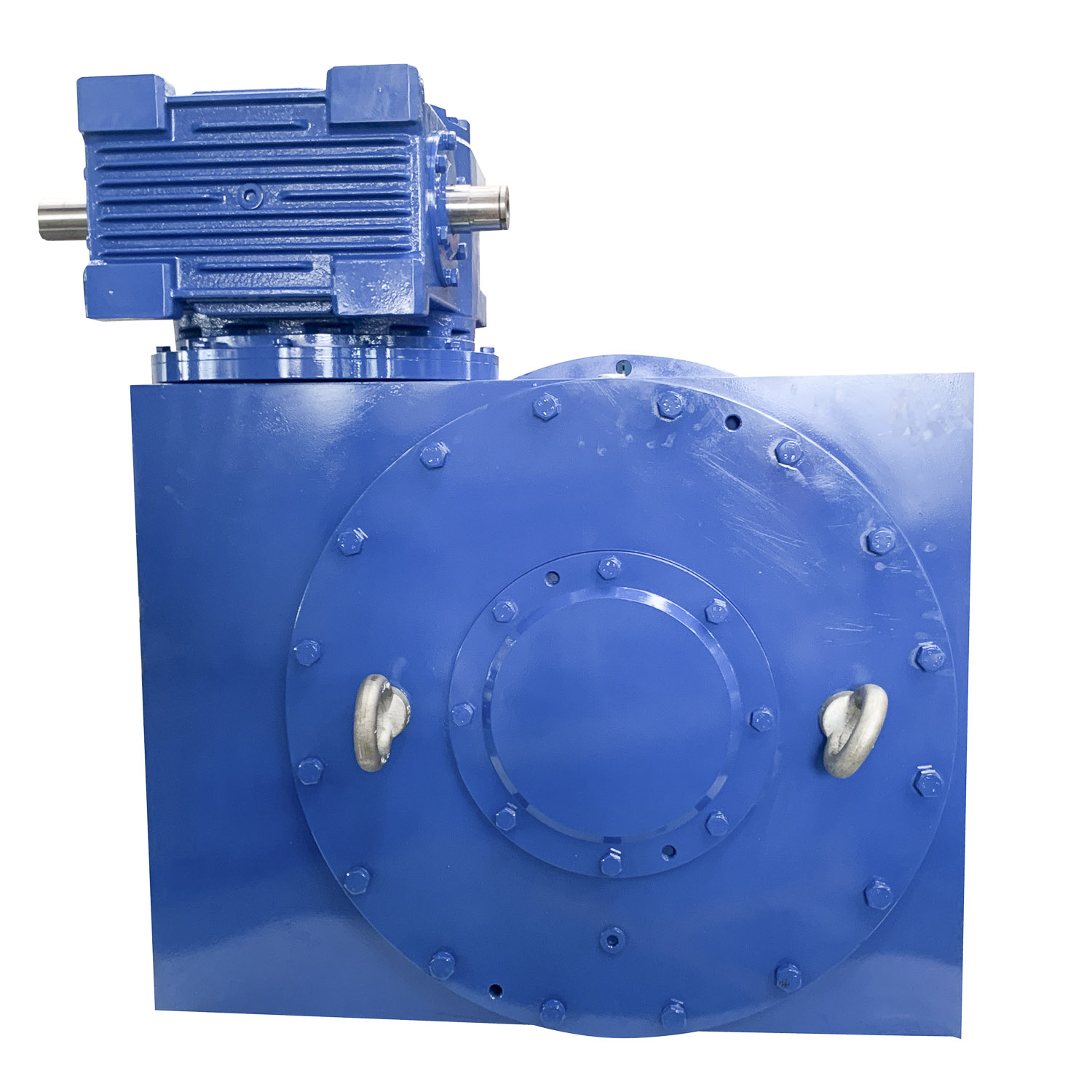
As one of famous double enveloping worm gear manufacturers,SGR's double throated worm gear has adva...
See Details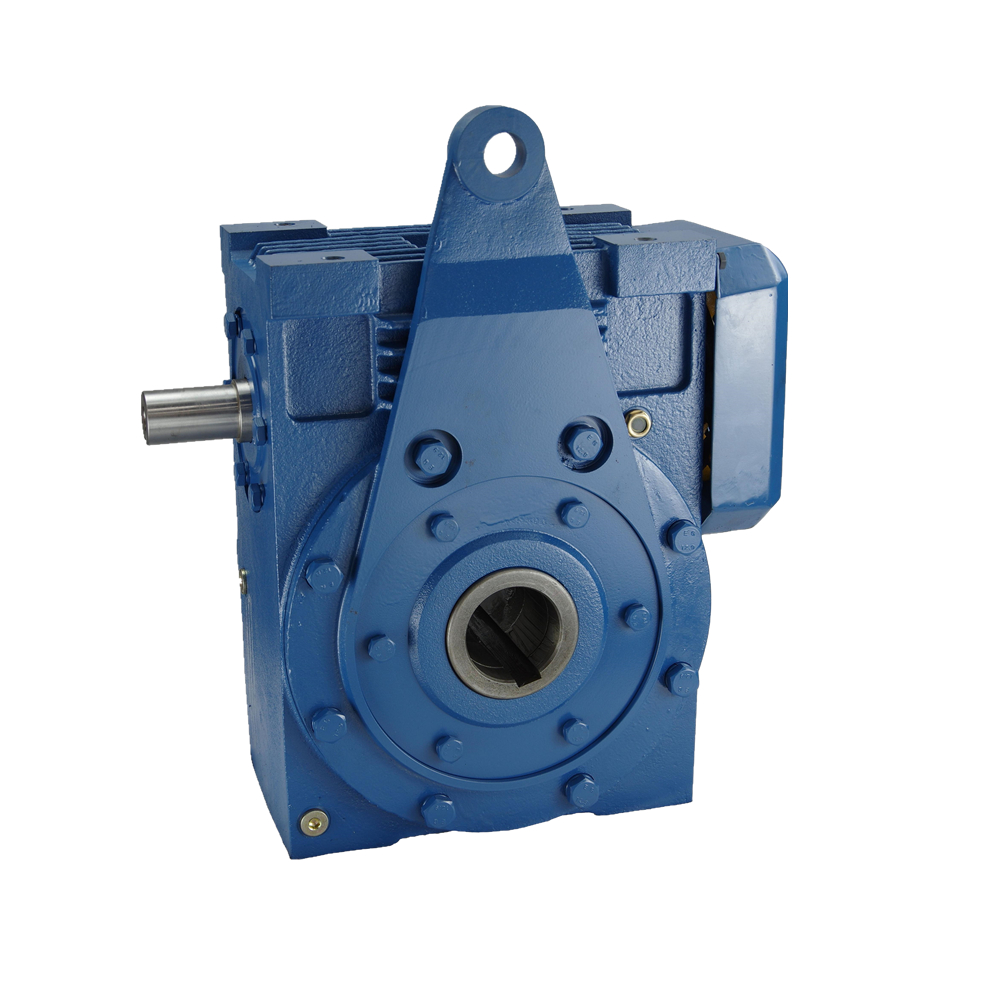
Product Description 1, High torque double enveloping worm gear adjust toughest working condition .2,...
See Details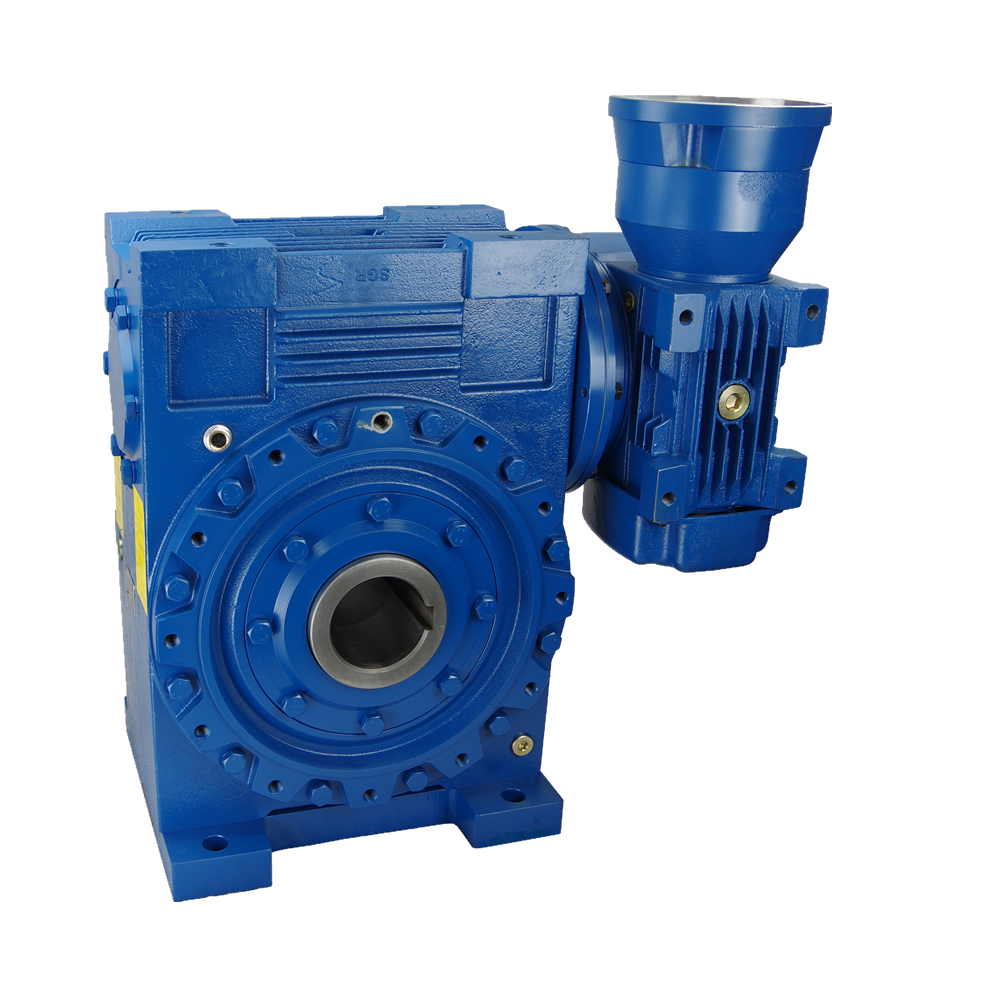
Product Description Series C double enveloping worm gearModel: 100 - 500Ratio: 10 -63Output Torque ...
See Details
SGR is an ISO 9001 certified, DNV-accredited industry gearbox manufacturer since 1996. We supply different gear reducers to brands worldwide.

