Global
  English
 中文简体
中文简体 русский
 Español
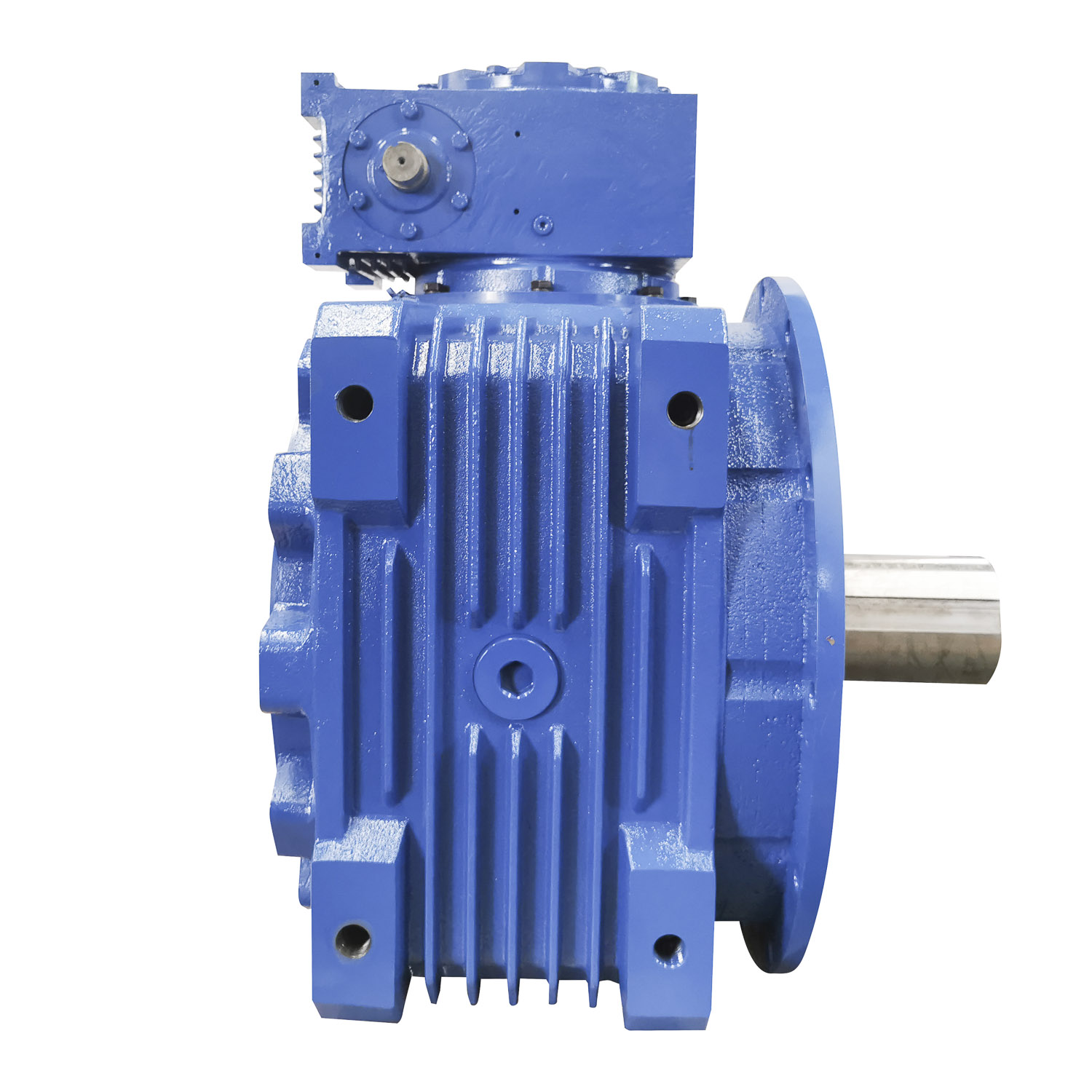
Description :1, High torque double enveloping worm gear adjust toughest working condition .2,Univers...
See Details
News Directory
Two custom gearboxes with similar rated torque left the factory around the same time. One went into a mixer drive and ran continuously for five years. The other, installed on a reciprocating machine, developed tooth pitting after roughly eighteen months. The nameplates promised the same output, but the real durability was different.
The difference came down to factors that are easy to overlook when ordering a custom gearbox: load spectrum definition, material and heat treatment, gear manufacturing accuracy, bearing system design, lubrication, and installation practice. Durability is not a single specification. It is the result of decisions made during design, manufacturing, and operation. Understanding each factor helps you specify a gearbox that actually lasts.
Rated power on a nameplate is not the same as the load a gearbox sees in service. A crusher, a mixer, and a positioning system impose completely different torque profiles on the same nominal size. The load spectrum—peak torque, number of cycles, shock events, and dwell times—drives the gear rating calculation and bearing life estimate. If the spectrum is inaccurate, no amount of material quality can compensate.
This is where custom design differs from selecting a standard unit. A custom gearbox allows the designer to optimize tooth geometry, bearing size, and housing stiffness around the actual application. For applications that combine high shock loads with continuous heavy torque, a high-torque planetary gear reducer is often the preferred starting point because its multiple load-sharing paths distribute stress more evenly.
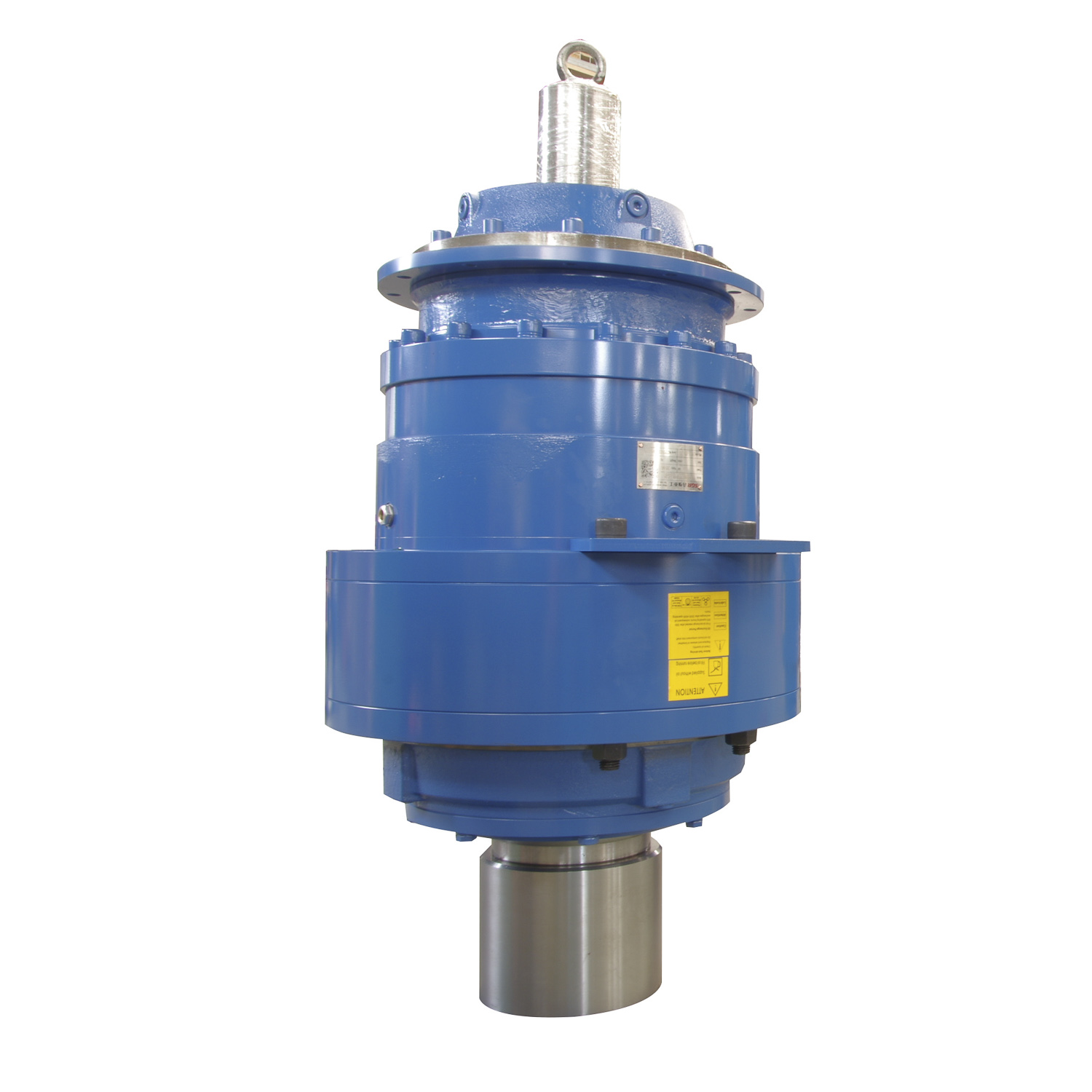 Custom Planetary Gear Reducer with High Torque Manufacturers, CompanyShanghai SGR Heavy Industry Machinery Co., Ltd is China Planetary Gear Reducer with High Torque Manufacturers, OEM/ODM Planetary Gear Red...View Product →
When ordering, provide the full duty cycle rather than only the maximum motor power. Include starting frequency, overload events, and ambient temperature. Detailed guidance on the causes and troubleshooting methods for gearbox failures can help you identify risk early.
Gear steel and its heat treatment determine how many stress cycles the tooth flank and tooth root can survive. For medium-to-large custom gearboxes, case-hardened alloy steels such as 20CrMnTi or 17CrNiMo6 are common. The effective case depth, typically in the range of 15 to 20 percent of the module for carburized gears, must match the contact stress level. A case that is too shallow leads to case crushing; a case that is too deep raises manufacturing cost and can reduce core toughness.
Case-hardened gears reach a surface hardness of 58 to 62 HRC with a tough core, making them suitable for heavy impact loads and large gears. Nitrided gears achieve higher surface hardness but with a much thinner hardened layer, which works for light- to medium-duty applications where distortion control is critical. For custom gearboxes exposed to reversing loads or frequent starts, case-hardened materials generally provide the better fatigue margin.
Verify three values before ordering: surface hardness, effective case depth, and core hardness. Ask your supplier for the material grade and, if available, the heat-treatment process curve. The difference between a properly treated gear set and a borderline one often does not appear in the first year, but it shows up clearly in the third or fourth year of continuous operation.
Two gears can have the same size and material, yet one will transmit load evenly across the tooth flank while the other concentrates stress on a narrow band. The difference is manufacturing accuracy. For custom gearboxes with durability targets, specify a gear grade that matches the application speed and load.
In ISO 1328 terms, a grade 6 gear is appropriate for medium-speed industrial drives; grade 5 or better is common for high-speed or precision applications. A coarser grade increases misalignment and profile deviation, which raises local contact stress and accelerates pitting. A fine grade costs more to produce but extends the useful life under the same operating conditions.
Profile modification removes material near the tooth tip and root to reduce the stress spike that occurs as the tooth enters and exits mesh. Lead modification compensates for shaft deflection under load. In a custom gearbox, both can be calculated from the expected load spectrum and then verified on a coordinate measuring machine after cutting.
Bearings are often the first component to fail in a gearbox, not because they are weak, but because their life calculation depends on the same load spectrum as the gears. Bearing L10 life should be evaluated under the actual torque profile, including peak loads, not under the average motor current. In custom designs, bearing size can be increased within the same center distance, but only if the shaft deflection remains acceptable at the gear mesh.
Shaft deflection is a hidden durability factor. When the shaft bends under load, the gear teeth lose alignment, pressure distribution becomes uneven, and the effective stress rises well above the calculated value. A stiff housing supports the bearings and maintains tooth contact. In high-torque applications, housing rigidity and the stiffness of the mounting surface matter as much as the gear grade.
Lubrication does more than reduce friction. It removes heat, separates the tooth surfaces, and protects against corrosion. Improper oil viscosity, insufficient oil volume, or contaminated oil is consistently one of the leading causes of premature reducer failure. The relationship between improper lubrication and reducer faults is well documented in maintenance records across industries.
The required viscosity depends on the pitch-line velocity of the gears and the operating temperature range. Synthetic oils with selected additives are preferred for custom gearboxes with wide temperature swings or long service intervals. Oil with too low a viscosity fails to build a stable film; oil that is too thick increases churning losses and temperature rise.
For every 10°C rise in oil temperature, the oxidation rate of mineral oil roughly doubles. A gearbox that runs hotter than designed will degrade its lubricant, thin the oil film, and eventually affect the tooth surface. Filtration removes wear particles before they cause abrasion, and proper sealing prevents water or dust ingress. Mixer drives, for example, typically run at moderate speed with high torque and limited cooling; a double-enveloping worm gearbox for mixer applications addresses this with a larger oil capacity and optimized housing surface.
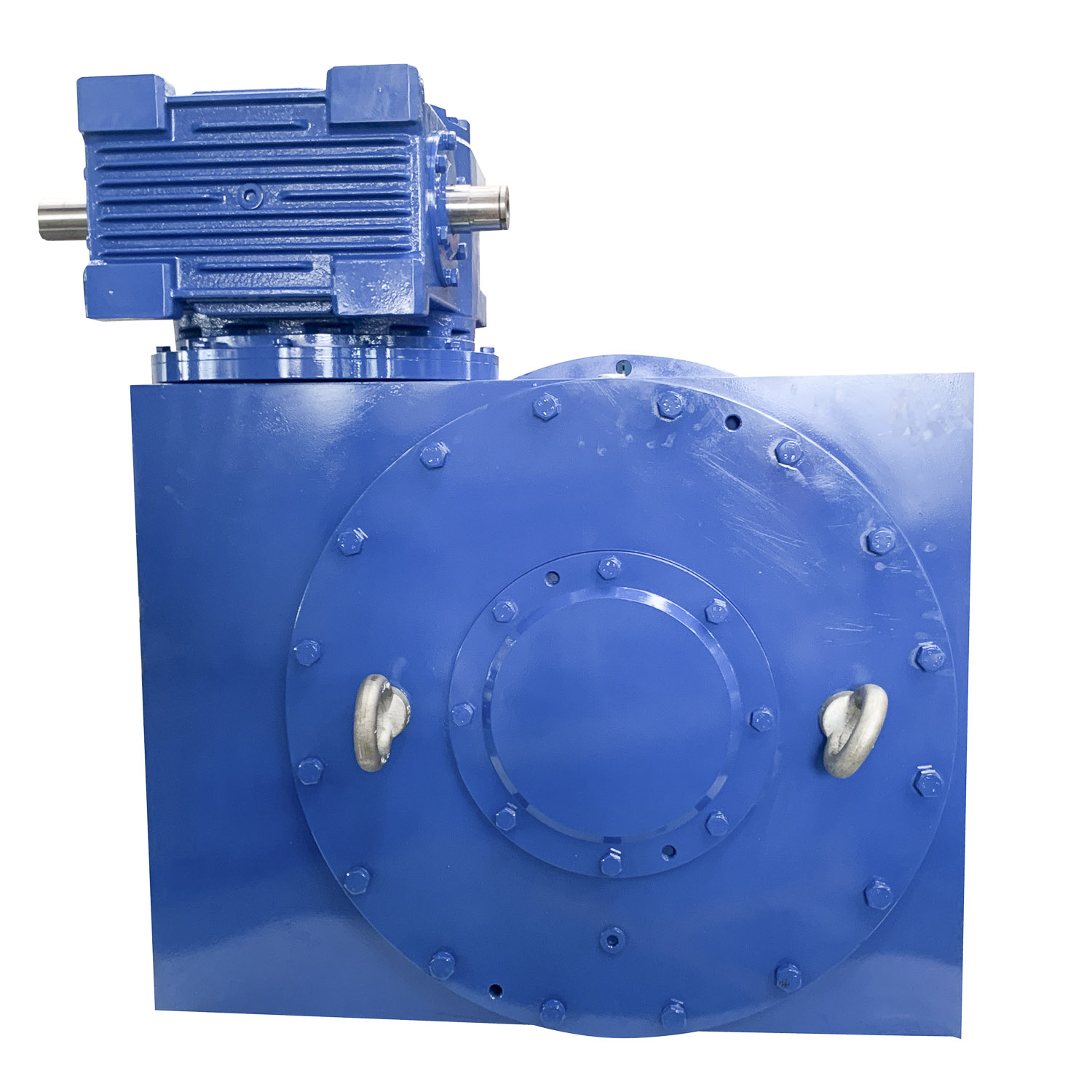 Custom Double Enveloping Worm Gearbox Appilcation For Mixer Manufacturers, CompaShanghai SGR Heavy Industry Machinery Co., Ltd is China Double Enveloping Worm Gearbox Appilcation For Mixer Manufacturers, OEM/ODM Doubl...View Product →
A correctly designed and manufactured gearbox can still fail early if it is installed on a flexible foundation or connected to the driven machine with excessive angular or parallel misalignment. Misalignment induces additional radial loads on the input and output shafts, which the internal bearings were not sized to carry. When a custom gearbox is not performing as expected, early diagnosis matters; practical guidance on how to deal with industrial gearbox failures can reduce downtime during the commissioning phase.
Operating practice also affects durability. Frequent starts and stops, rapid reversing, and operation below the minimum recommended speed all change the lubrication regime at the gear mesh. Forklift attachments, which cycle frequently under varying load, demand a different balance of compactness and shock resistance; a worm gear reducer for forklift attachments is a typical example of application-specific durability tuning.
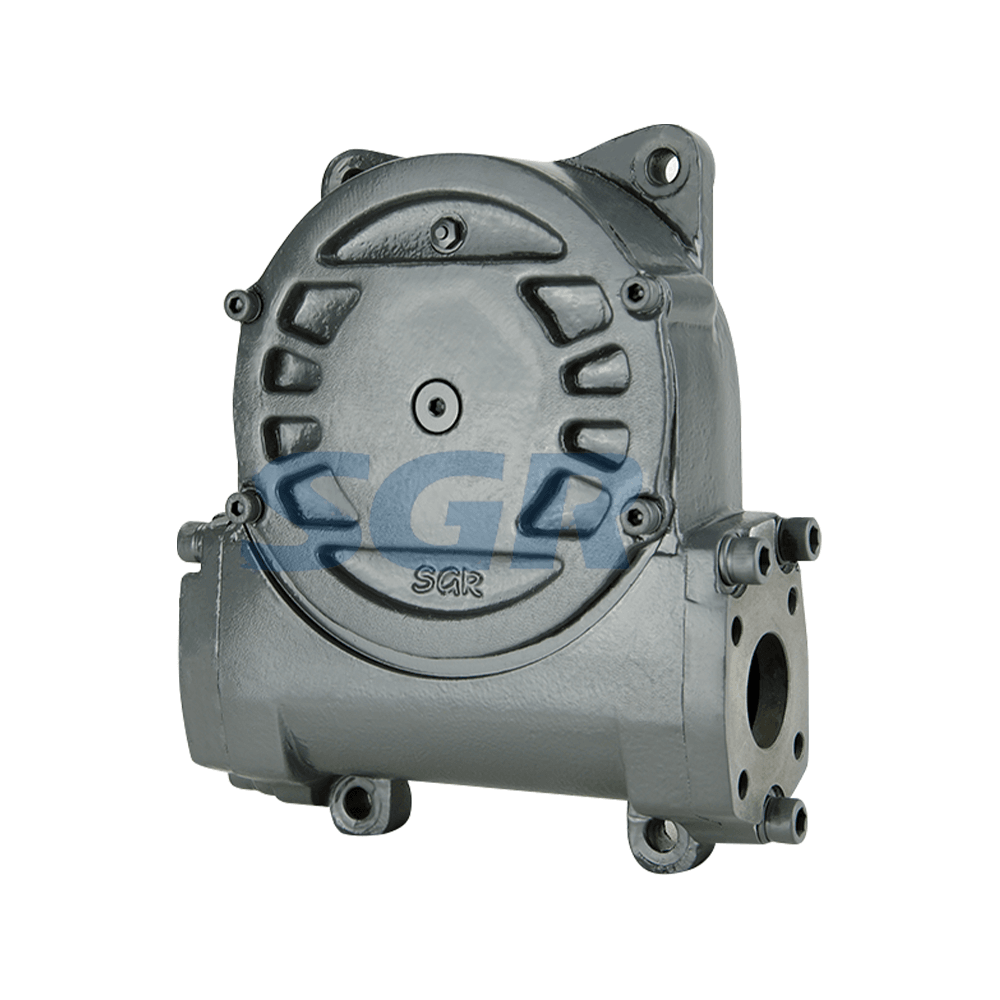 Custom Worm Gear Reducer for Forklift Attachments Manufacturers, CompanyShanghai SGR Heavy Industry Machinery Co., Ltd is China Worm Gear Reducer for Forklift Attachments Manufacturers, OEM/ODM Worm Gear Reduc...View Product →
The best time to influence durability is before the gearbox is built. A credible custom gearbox supplier should be able to provide a design calculation report, a bearing life calculation, and a proposed testing plan. The supplier's manufacturing and quality-control capabilities are the practical evidence of whether the design will be realized as intended.
Shanghai SGR Heavy Industry Machinery, for example, combines a research team of Ph.D. and senior engineers with more than a decade of gear transmission experience. Its inspection capabilities include a three-coordinate measuring machine, a toroidal worm and hob measuring instrument, and a gearbox power and efficiency test system. These tools allow the company to verify tooth geometry, housing accuracy, and power transmission performance before delivery.
| Verification item | What to check | Why it matters |
|---|---|---|
| Load spectrum | Peak torque, cycles, shock events | Determines gear and bearing sizing |
| Material and heat treatment | Surface hardness, case depth, core hardness | Controls contact and bending fatigue |
| Gear accuracy report | ISO/DIN grade, profile and lead deviation | Affects load distribution and noise |
| Bearing life calculation | L10 or L10mh under actual loads | Predicts replacement intervals |
| Factory performance test | Efficiency, temperature rise, vibration | Confirms assembly quality and design assumptions |
The factors affecting custom gearbox durability are not independent. They interact across the load spectrum, material behavior, manufacturing quality, and operating practice. If you want a longer service life, specify the service conditions, confirm the material and heat treatment, ask for the gear accuracy report, and verify the supplier's test capability. A gearbox that is easy to maintain and monitor will usually last longer than one that is difficult to inspect, because small problems can be caught before they become major ones.
Description :1, High torque double enveloping worm gear adjust toughest working condition .2,Univers...
See Details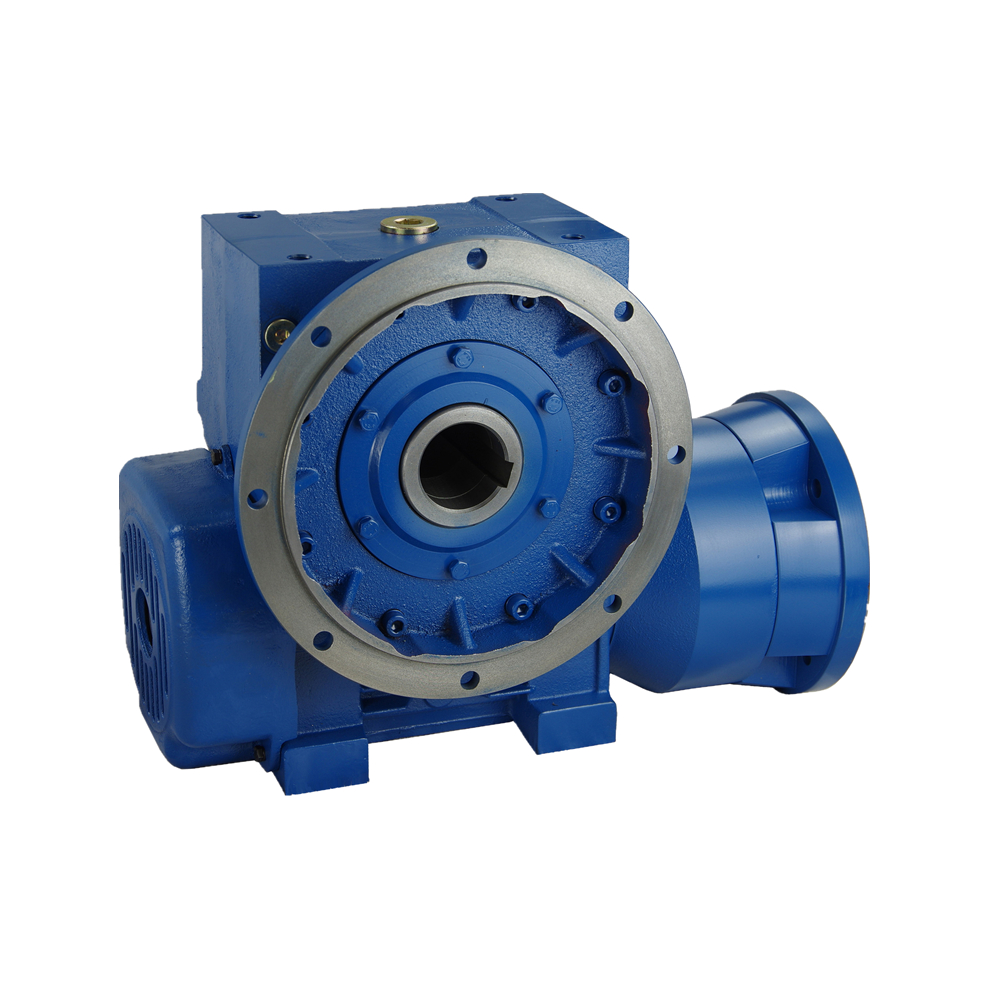
Product Description Series C double enveloping worm gearModel: 100 - 500Ratio: 10 -63Output Torque ...
See Details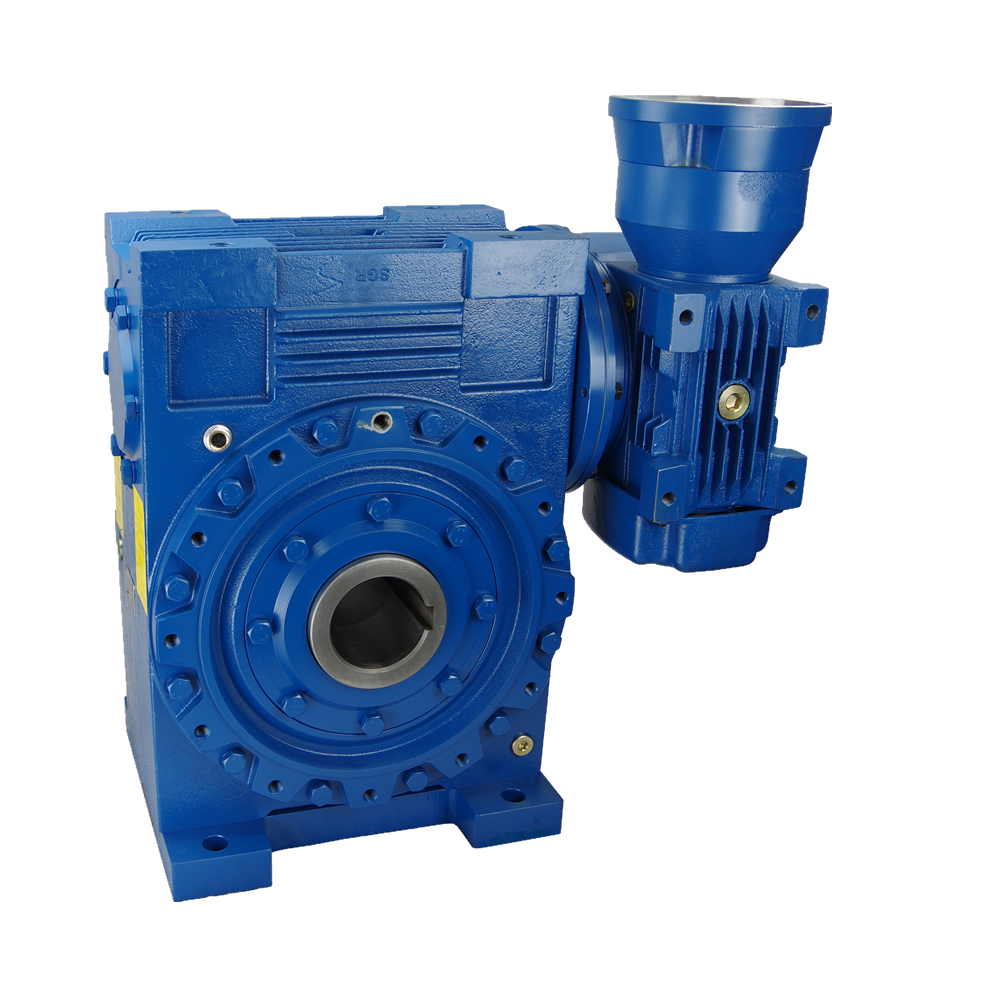
Product Description Series C double enveloping worm gearModel: 100 - 500Ratio: 10 -63Output Torque ...
See Details
As one of famous double enveloping worm gear manufacturers,SGR's double throated worm gear has adva...
See Details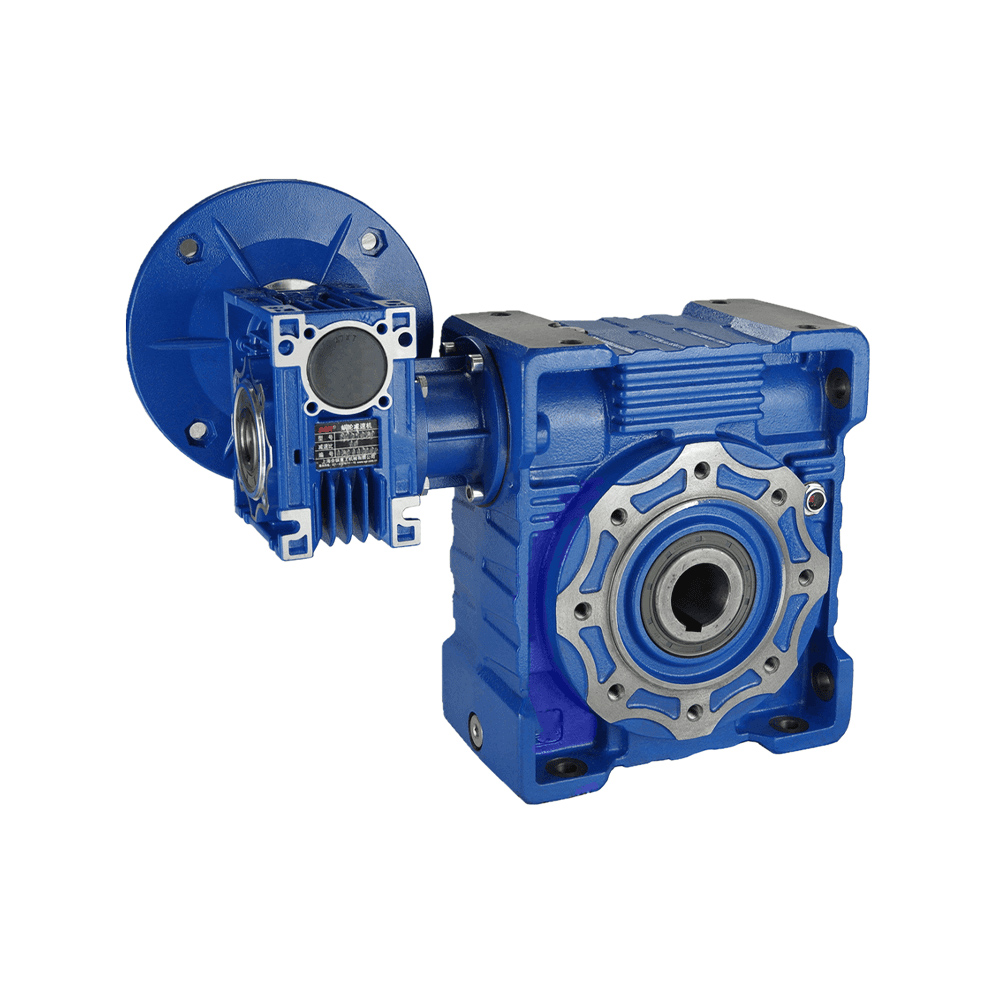
SGR develops and manufactures specialized worm gear reducers for logistics machinery attachments. T...
See Details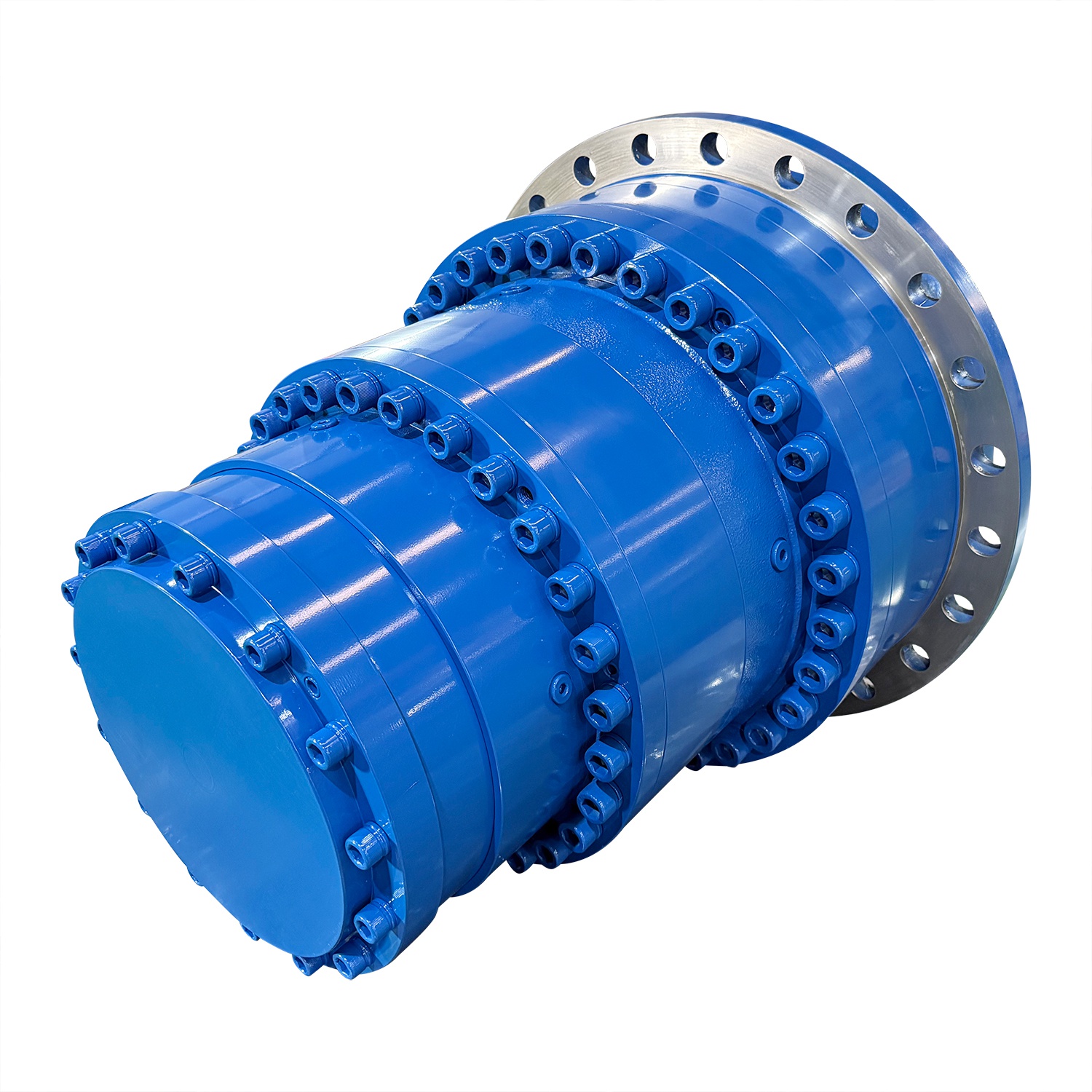
Planetary gear reducers serve as key transmission parts for sightseeing boats sailing along Russia’s...
See Details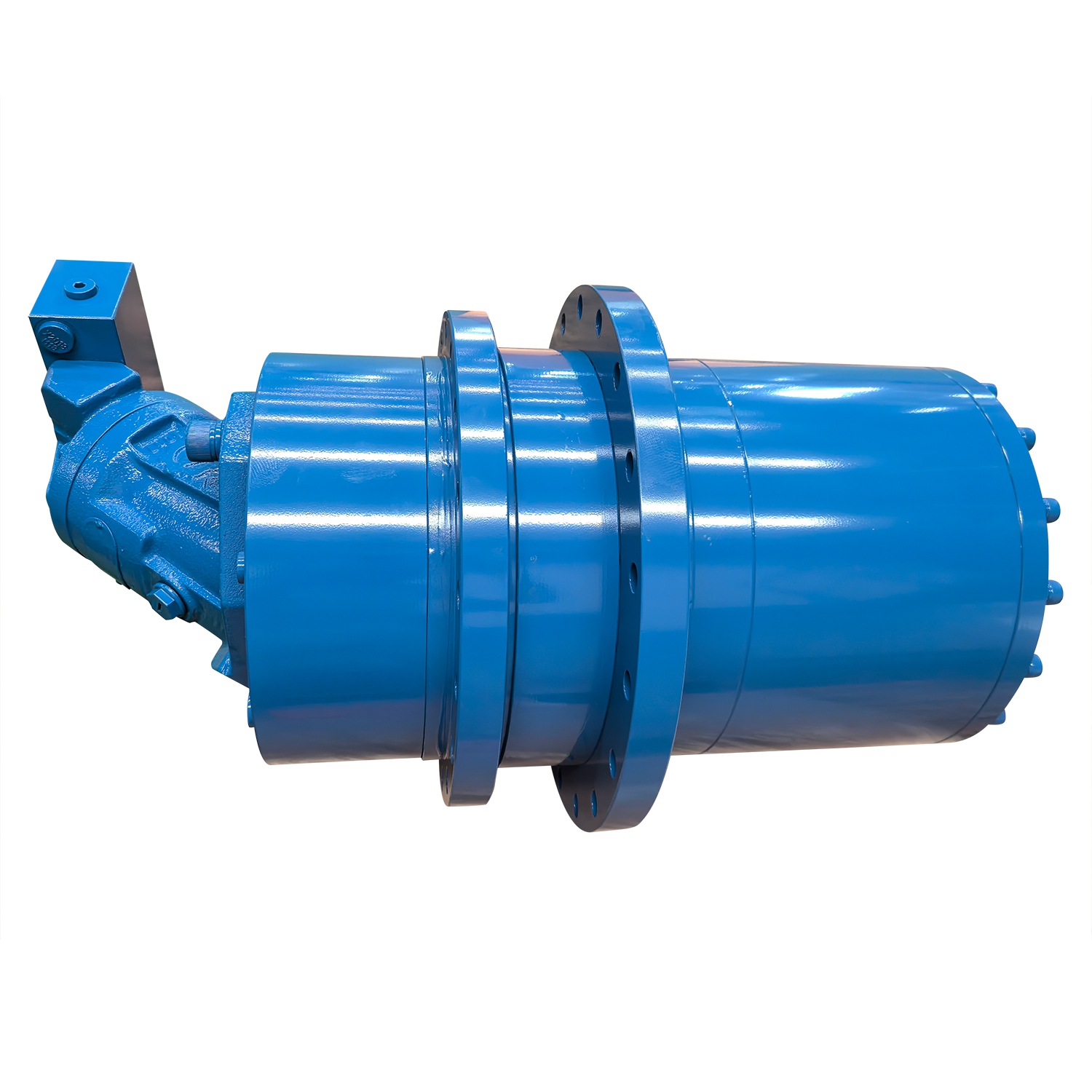
Model: 200-885 Ratio: 3.15-7800 Output Torque :1500Nm-540000Nm Rating Power :0.25KW-200kw Descripti...
See Details
SGR is an ISO 9001 certified, DNV-accredited industry gearbox manufacturer since 1996. We supply different gear reducers to brands worldwide.