Global
  English
 中文简体
中文简体 русский
 Español
SGR develops and manufactures specialized worm gear reducers for logistics machinery attachments. T...
See Details
News Directory
Picking between a Customised Gearbox and a standard unit off the shelf is really a question of fit: does your machine's torque, speed, space, and duty cycle match a catalog product, or does it demand something engineered around it? Get this decision wrong and you either overpay for capability you never use, or you install a gearbox that wears out under real-world load.
A customised gearbox is a transmission system engineered from the ground up around one machine's exact torque, speed, installation space, and environmental conditions, rather than adapted from a catalog product. Engineers start from requirement analysis, not a parts list, which lets them set gear ratios, shaft arrangements, housing dimensions, and materials to match the application precisely.
Definition: a customised gearbox is a purpose-built transmission designed to eliminate the performance compromises that come from forcing a standard product into a non-standard application.
A standard gearbox is a mass-produced transmission built to fixed dimensions, gear ratios, and torque ranges for common industrial use. Standard planetary, helical, worm, and bevel gearboxes cover the majority of conveyors, general machinery, and material handling equipment because their operating conditions are predictable and well within catalog limits.
| Design | Built to specific requirements | Pre-designed fixed structure |
| Performance | Optimized for one application | Designed for general use |
| Delivery Time | Longer development cycle | Usually available quickly |
| Initial Cost | Higher development cost | Lower purchase price |
| Best Fit | Special, demanding applications | Common industrial applications |
The purchase price tells only part of the story. A customised gearbox usually costs more upfront but pulls ahead over the equipment's service life because it runs closer to its design point, generating less heat, wear, and unplanned downtime.
Cumulative Cost of Ownership Over 5 Years (Index)
Illustrative index only; actual costs depend on duty cycle, maintenance regime, and failure rates.
Robotics, heavy industrial equipment, and special manufacturing lines tend to need a customised gearbox because their torque, precision, or space constraints fall outside catalog ranges.
Customised vs Standard: Performance Profile
Relative profile across five common selection criteria; illustrative, not a lab measurement.
The build process is where the two paths diverge most clearly, and it explains most of the lead-time and cost gap.
For critical equipment, total lifecycle cost — not the purchase price — should drive the decision between a customised and a standard gearbox.
If your equipment has special design requirements, limited installation space, or operating conditions that push past catalog limits, a Customised Gearbox is generally the more reliable long-term choice, even with a longer lead time and higher upfront cost.
Development cycles are longer than standard products because engineering, modeling, and testing happen before production, though exact timelines vary by complexity and supplier capacity.
Minor modifications to mounting or shaft configuration are sometimes possible, but core limits like torque rating and gear ratio usually cannot be changed without a custom design.
Not typically. Because they run closer to their design point, customised gearboxes often see lower failure rates and reduced maintenance needs over the equipment's service life.
Yes, when operating conditions are predictable and well within catalog specifications, a standard gearbox delivers reliable performance at a lower total cost.
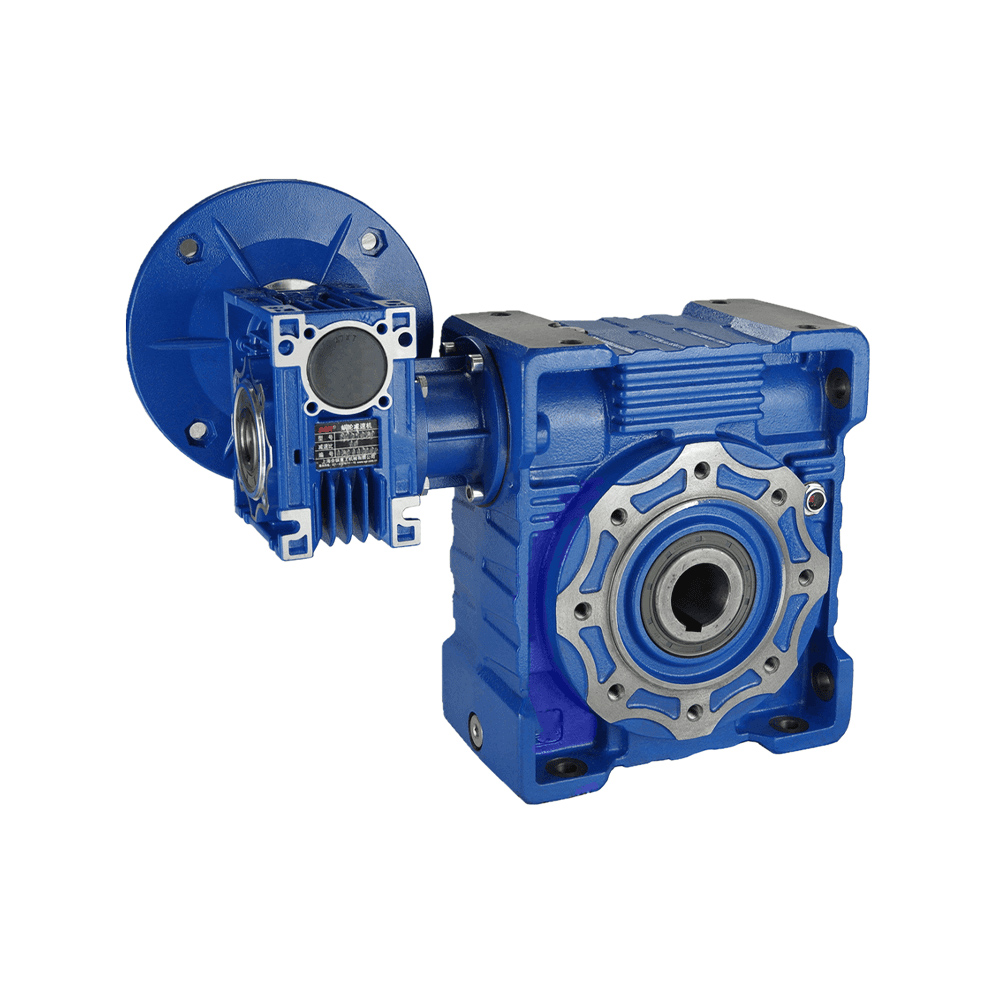
SGR develops and manufactures specialized worm gear reducers for logistics machinery attachments. T...
See Details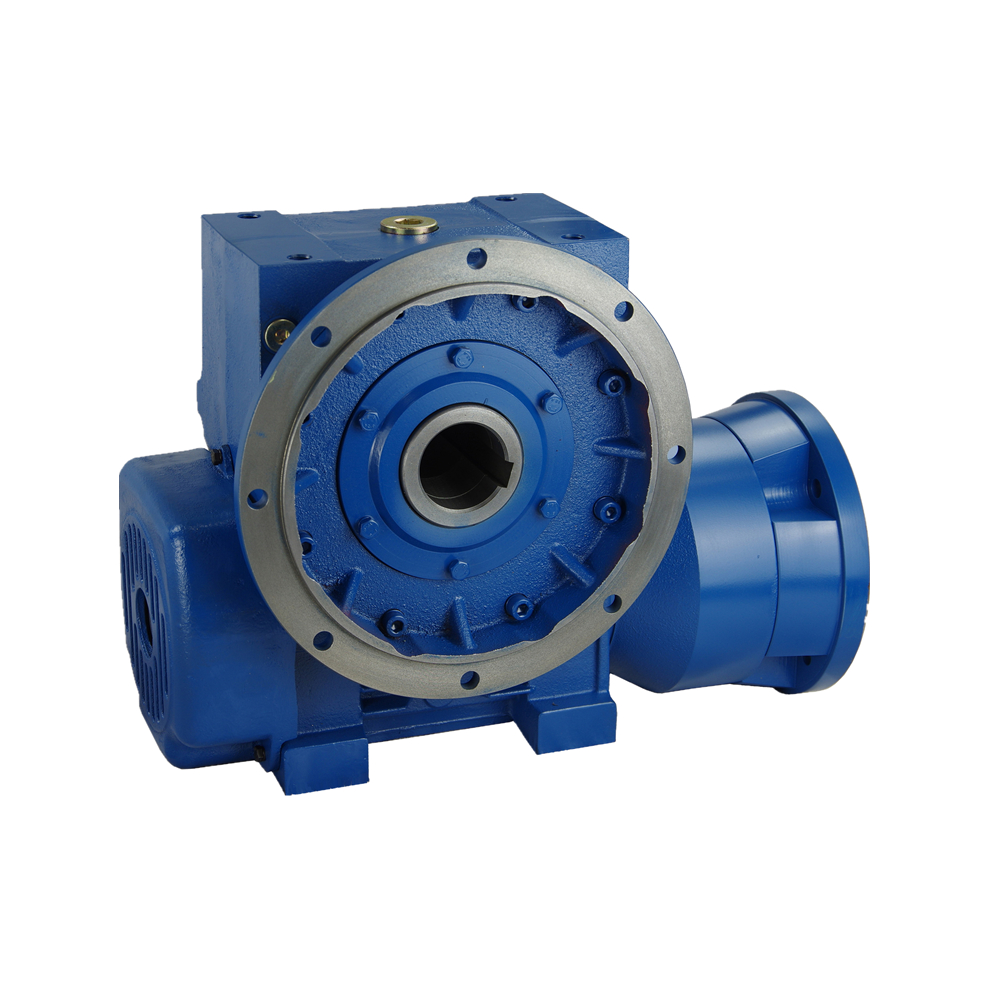
Product Description Series C double enveloping worm gearModel: 100 - 500Ratio: 10 -63Output Torque ...
See Details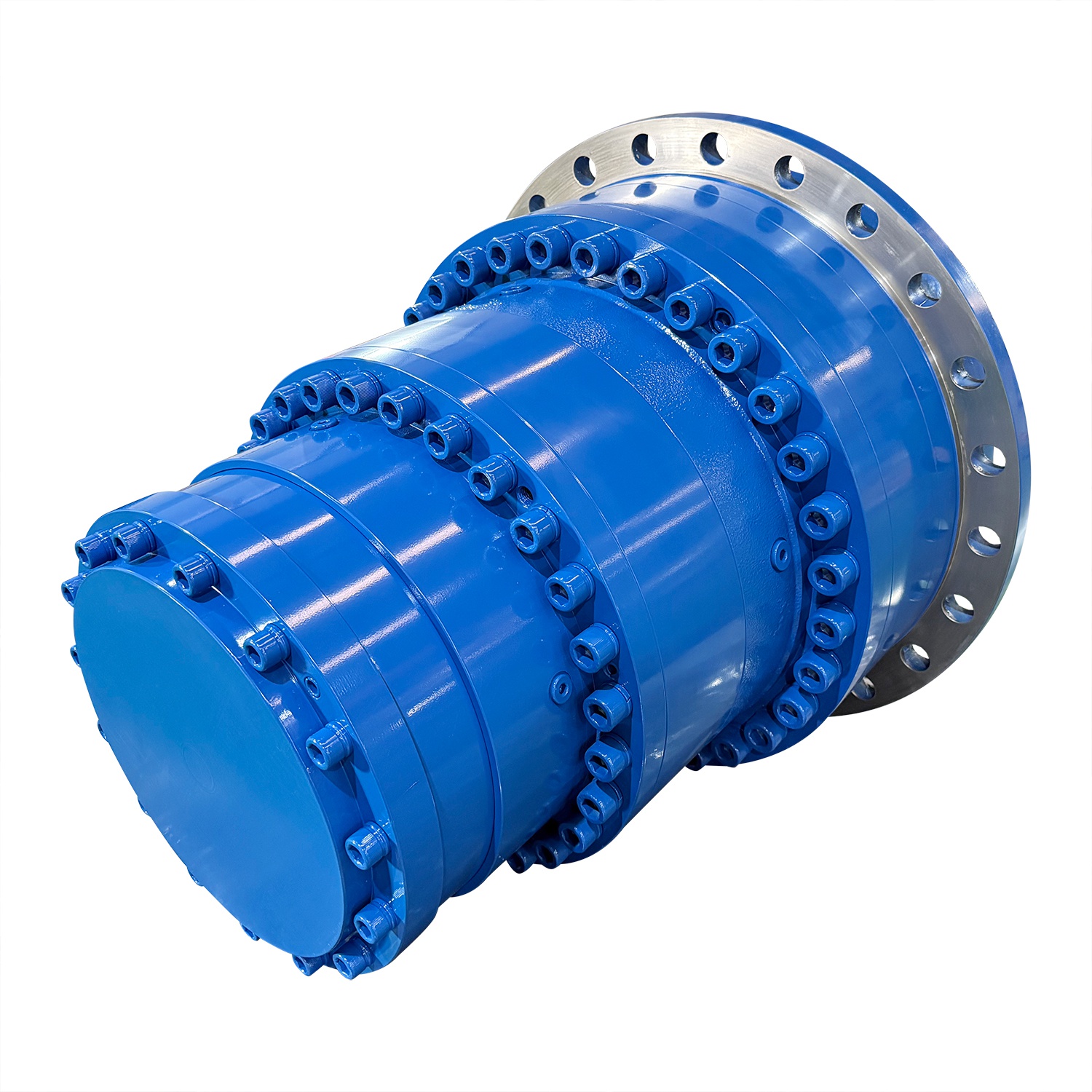
Planetary gear reducers serve as key transmission parts for sightseeing boats sailing along Russia’s...
See Details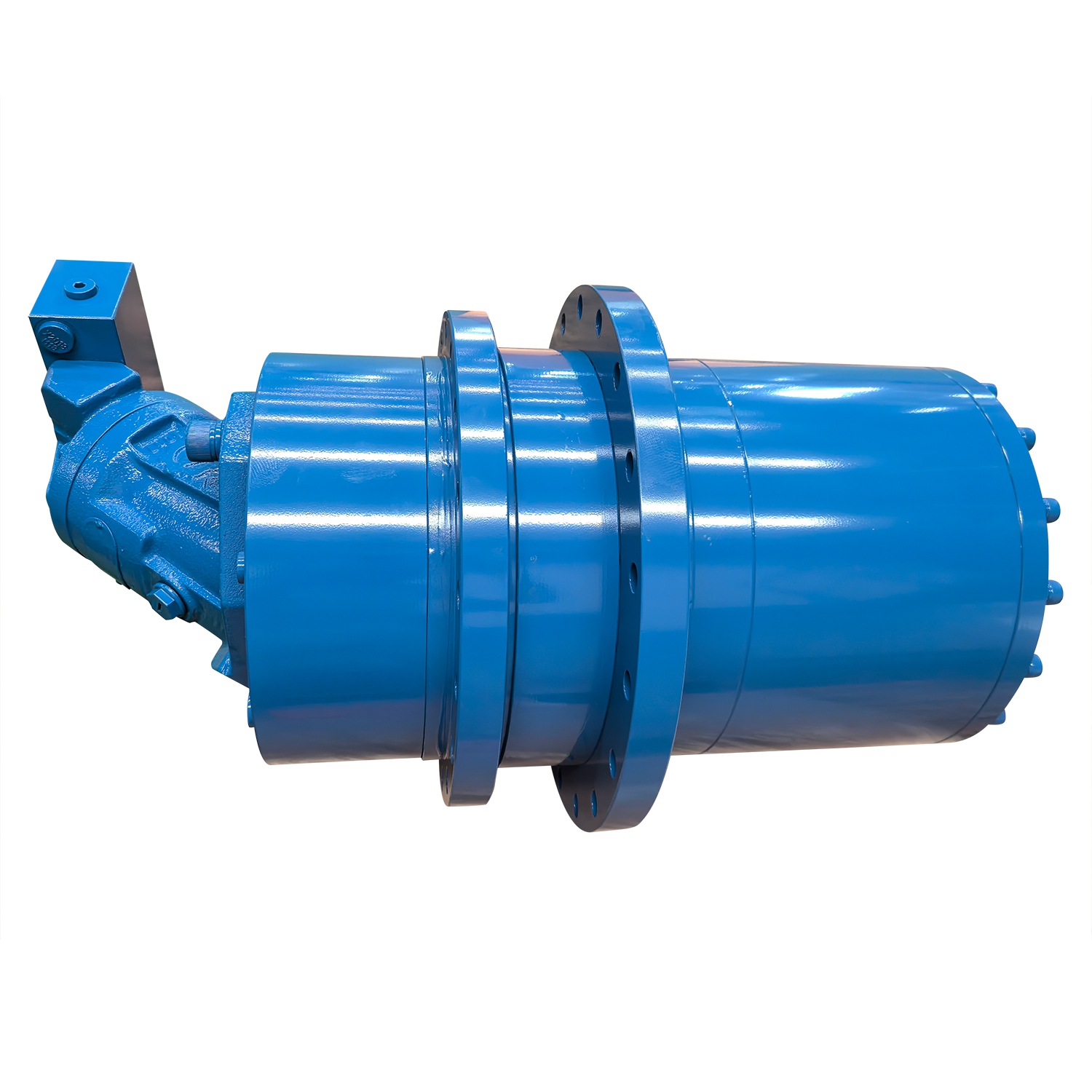
Model: 200-885 Ratio: 3.15-7800 Output Torque :1500Nm-540000Nm Rating Power :0.25KW-200kw Descripti...
See Details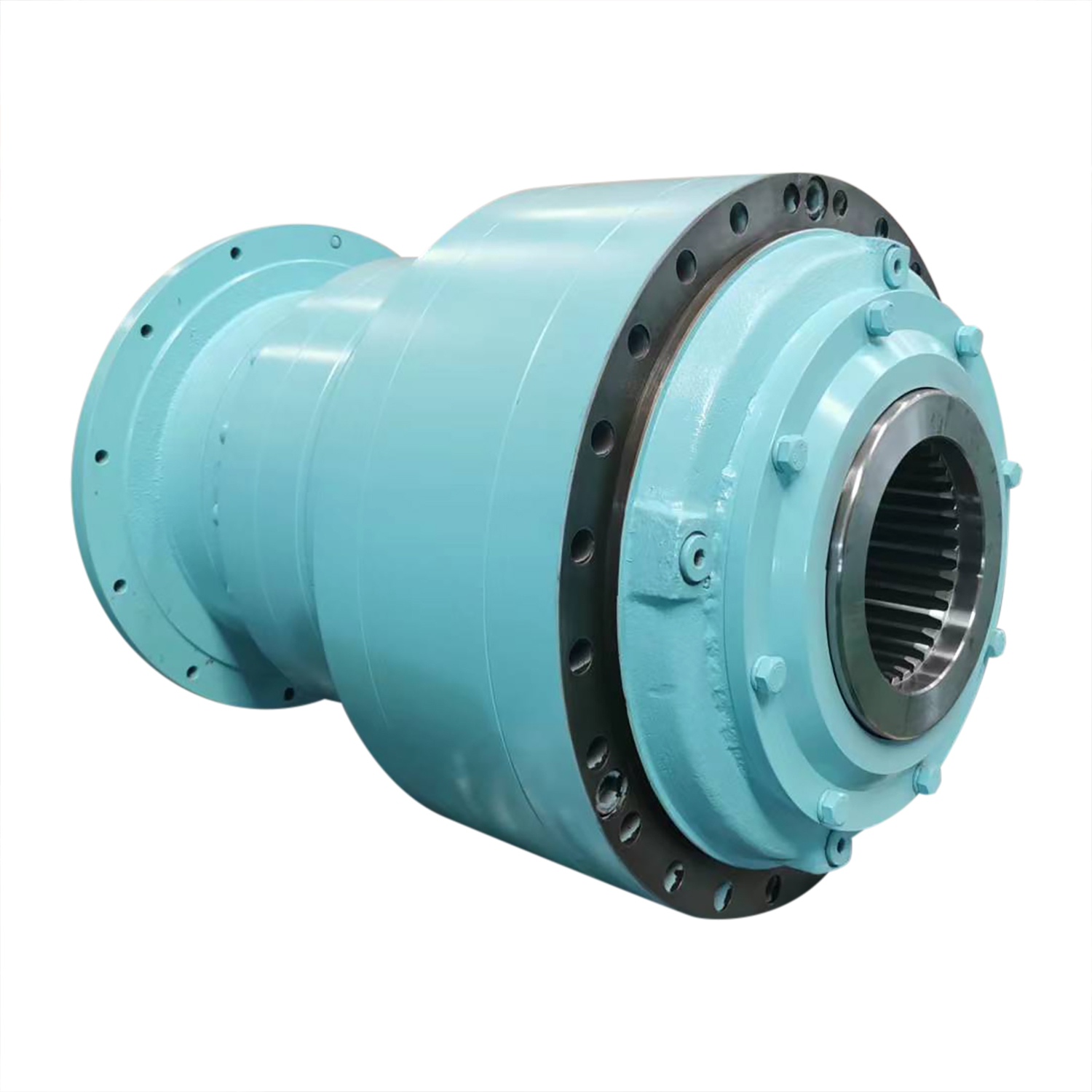
Planetary Gearbox Application For In Electric Drive Model: 200-885Ratio: 3.15-7800Output Torque :15...
See Details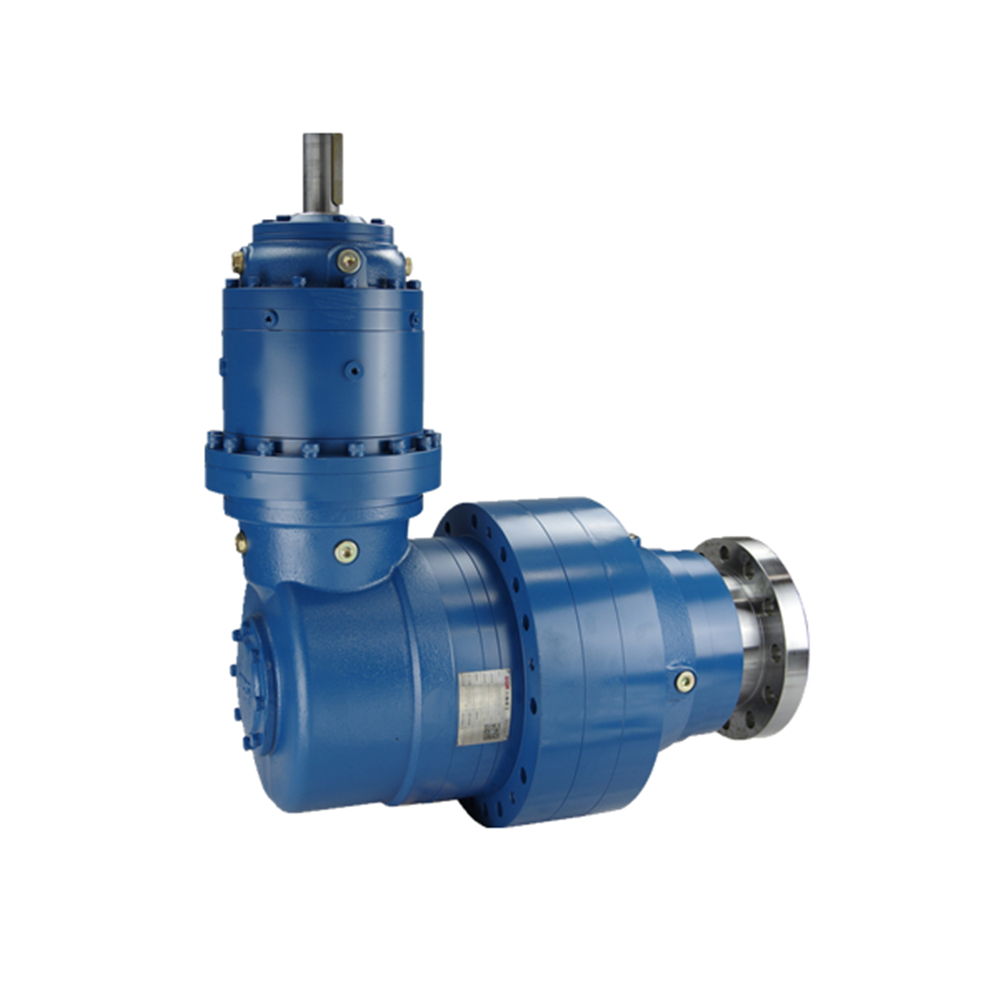
Technical data: 1. Ratio range: 3.15-30002. Input power: 0.25-55KW3. Permit torque rang: ≤ 200000N. ...
See Details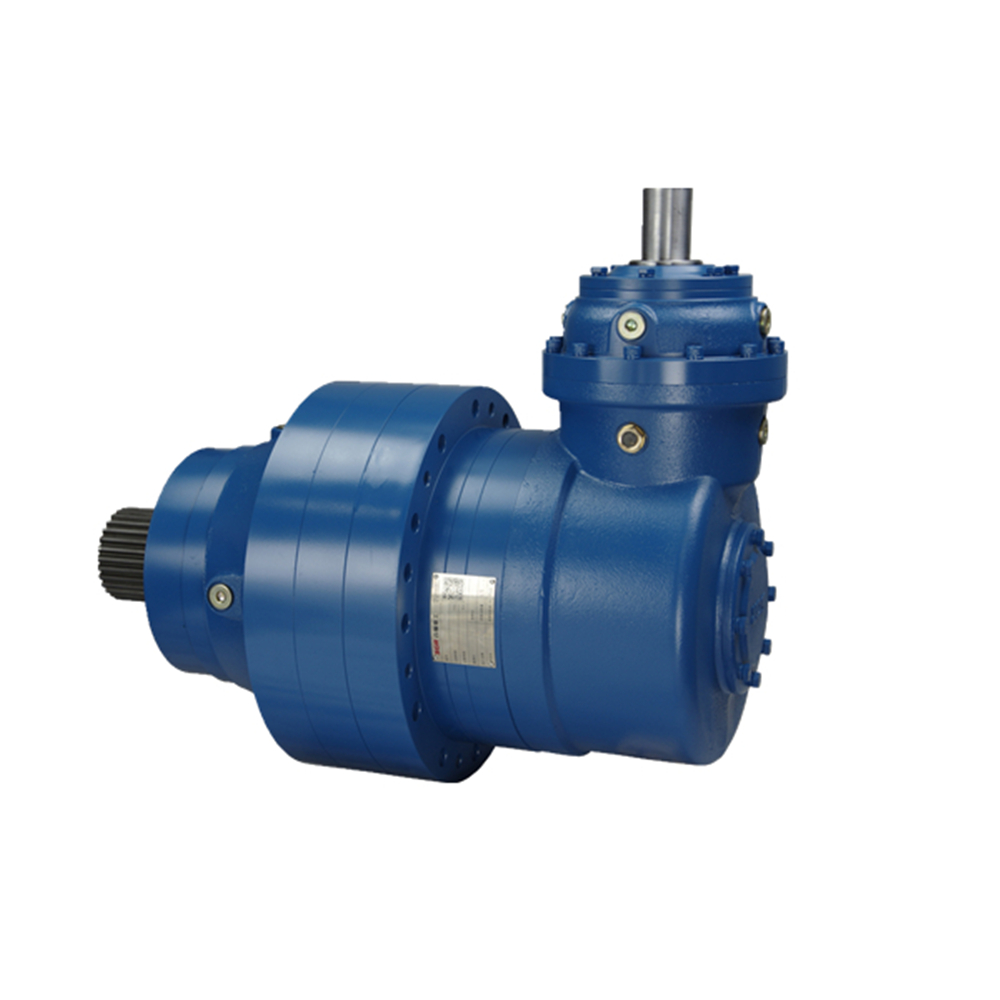
Technical data: 1. Ratio range: 3.15-30002. Input power: 0.25-55KW3. Permit torque rang: ≤ 200000N. ...
See Details
SGR is an ISO 9001 certified, DNV-accredited industry gearbox manufacturer since 1996. We supply different gear reducers to brands worldwide.