Global
  English
 中文简体
中文简体 русский
 Español
Product Description Series C double enveloping worm gearModel: 100 - 500Ratio: 10 -63Output Torque ...
See Details
News Directory
Standard components rarely fit every machine perfectly, and drivetrains are no exception. A Customised Gearbox is built around the exact torque, speed, and space requirements of a specific piece of equipment rather than forcing that equipment to adapt to an off-the-shelf spec. This guide covers how custom gearboxes work, their key advantages, common types, and how to choose the right design or supplier.
Motor speed and torque
Optimized mechanical power
A customised gearbox is a transmission device designed and manufactured according to specific equipment requirements rather than using standard specifications. It converts motor speed and torque to meet the operating requirements of different industrial machines, and custom gearbox solutions allow manufacturers to optimize performance, installation space, and operating reliability at the same time.
The operating principle stays consistent across designs: input power enters through the driving shaft, gear sets adjust speed and torque, the output shaft delivers optimized mechanical power, and the equipment operates according to its required motion parameters. The core role of any customised gearbox is speed control, torque adjustment, and efficient power transmission tuned to one specific machine.
Modern industrial equipment demands higher precision and flexibility than a generic transmission can deliver. Different machines operate under different load, speed, and space requirements, and standard gearboxes may not always meet specialized application needs. Customization directly translates into optimized equipment performance, improved mechanical efficiency, better system integration, and a longer overall service life.
Designed according to machine requirements to match specific operating conditions.
Provides suitable output speed while delivering the exact torque levels required.
Fits limited installation areas and supports genuinely compact equipment design.
Components selected for the specific working environment reduce unexpected failures.
Optimized transmission reduces power loss and improves overall equipment efficiency.
| Industry | Typical Applications | Key Requirement |
| Automation and Robotics | Robotic equipment, automated production lines, precision machinery | Accurate motion control, stable transmission |
| Mining and Heavy Equipment | Conveyors, crushers, heavy machinery | High torque output, strong load capacity |
| Packaging and Manufacturing | Production machines, processing equipment | Precise speed adjustment, continuous operation |
| Renewable Energy Equipment | Wind power systems, solar tracking systems | Reliable long-term operation, environmental durability |
Compact structure with high torque density, suited to automation and precision machinery.
Smooth operation and high efficiency, widely used across industrial machinery.
Compact design with a high reduction ratio, common in conveyors and automation systems.
Changes transmission direction, suited to complex layouts in specialized machinery.
| Factor | Customised Gearbox | Standard Gearbox |
| Design | Application-specific | Fixed specifications |
| Flexibility | High | Limited |
| Performance | Optimized | General-purpose |
| Application | Special equipment | Common machinery |
The practical guidance is simple: customised gearboxes suit special requirements where standard units fall short, while standard gearboxes remain a sound choice for general, less demanding applications.
Application analysis
Gearbox design
Material selection
Gear machining
Heat treatment
Assembly
Performance testing
Quality control at the end of the line covers gear accuracy inspection, torque testing, noise testing, and efficiency testing before a customised gearbox is released for shipment.
Five developments are shaping where custom gearboxes go next: smarter gearbox monitoring systems, higher precision manufacturing, lightweight materials, energy-efficient transmission designs, and deeper integration with automated equipment across production lines.
 |
 |
A transmission device designed and built around the specific torque, speed, and space requirements of one piece of equipment.
Because standard gearboxes cannot always meet specialized load, speed, or space requirements across different machines.
Automation and robotics, mining and heavy equipment, packaging and manufacturing, and renewable energy equipment.
A custom gearbox is application-specific and optimized; a standard gearbox uses fixed specifications for general-purpose use.
Service life depends on material selection, lubrication, and gear quality, all of which are tuned during the design phase.
Evaluate engineering capability, manufacturing capability, quality control, and after-sales support.
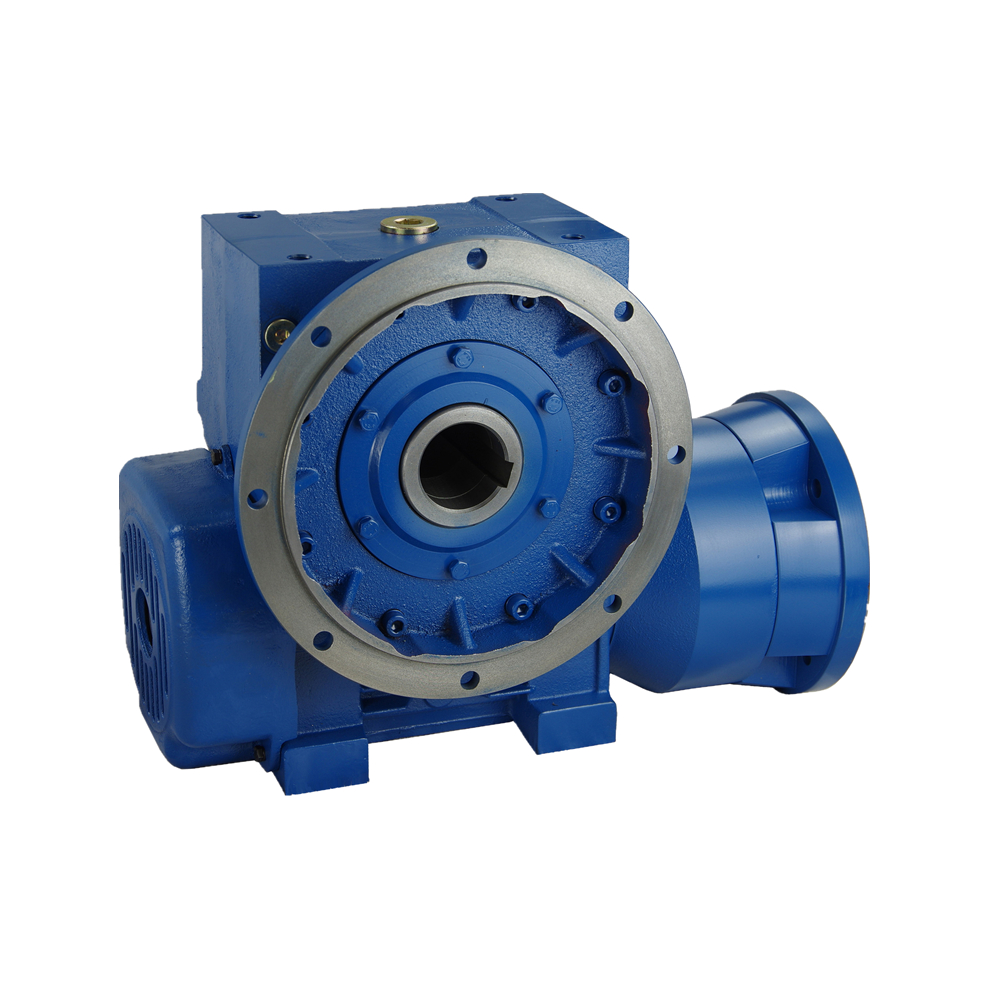
Product Description Series C double enveloping worm gearModel: 100 - 500Ratio: 10 -63Output Torque ...
See Details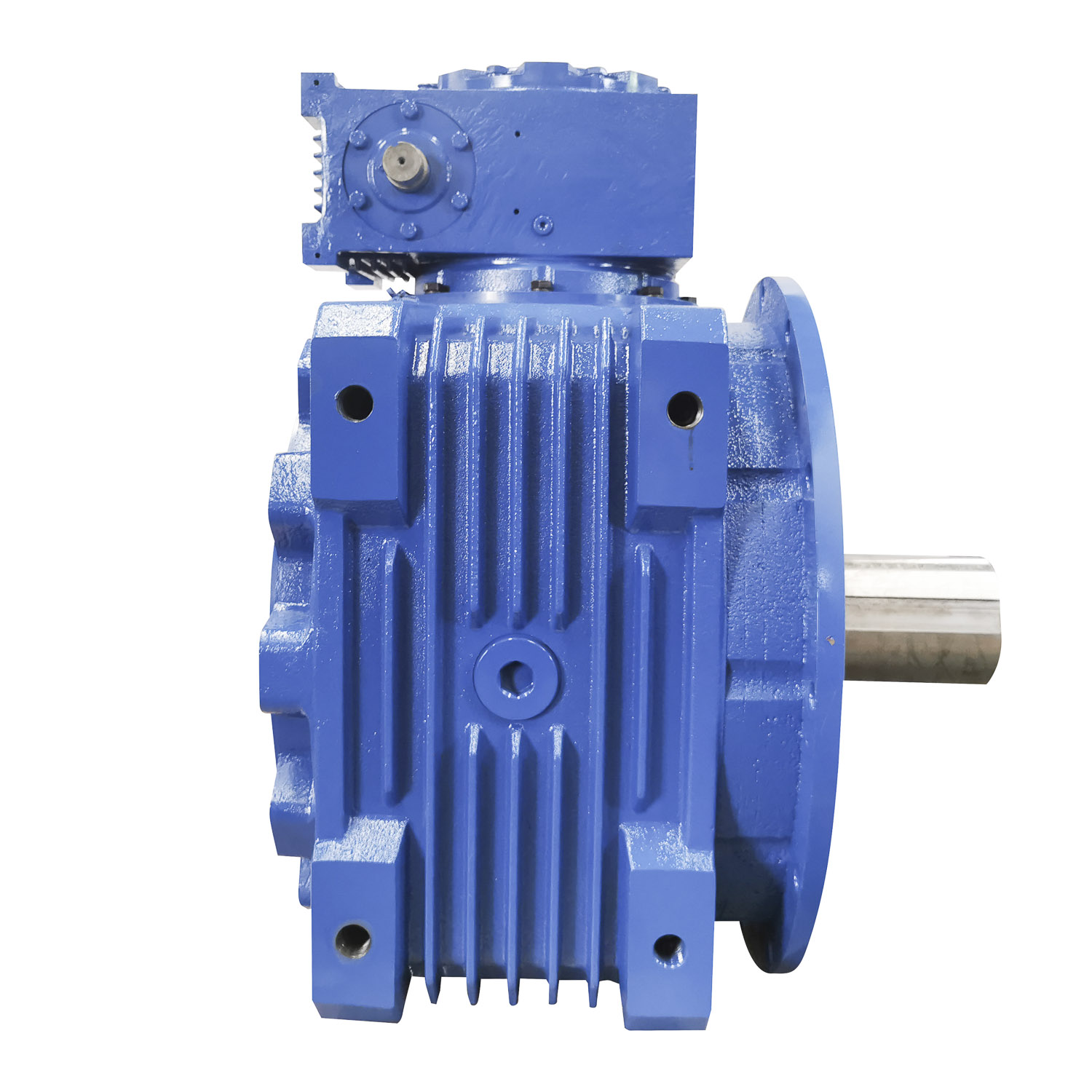
Description :1, High torque double enveloping worm gear adjust toughest working condition .2,Univers...
See Details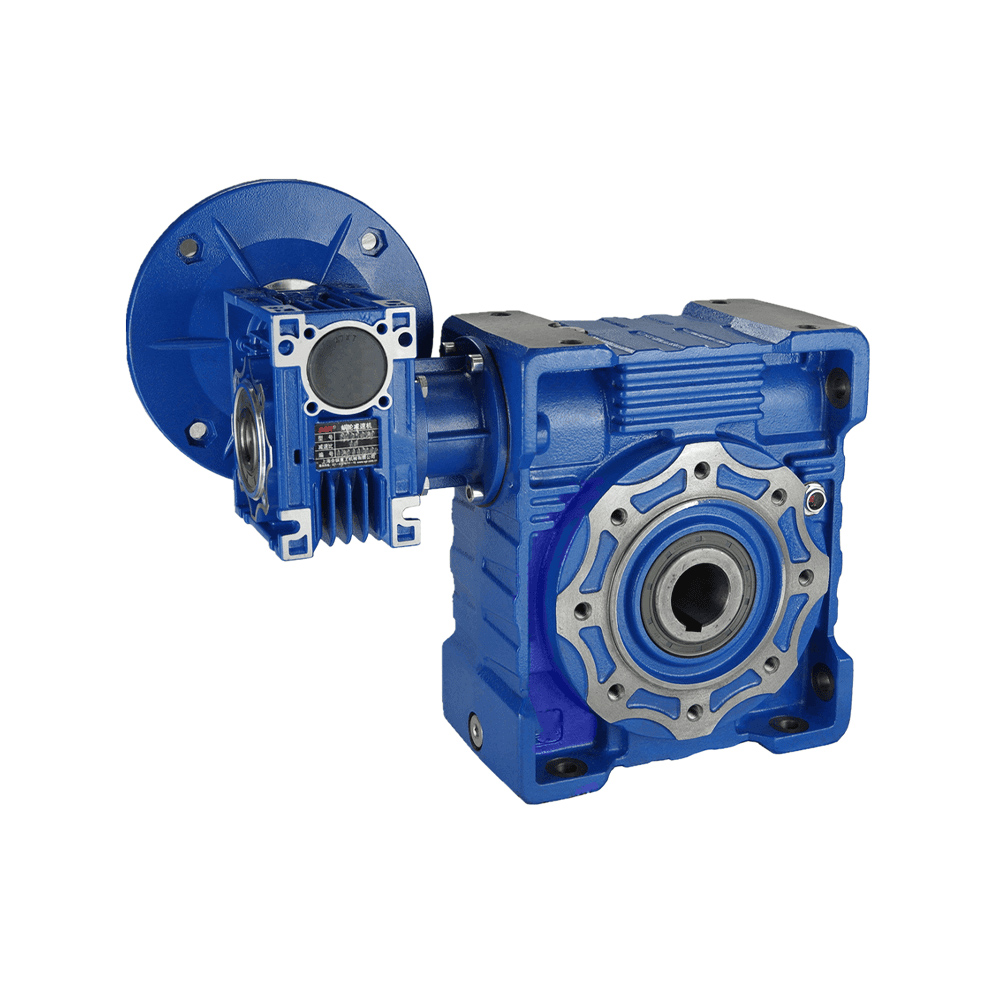
SGR develops and manufactures specialized worm gear reducers for logistics machinery attachments. T...
See Details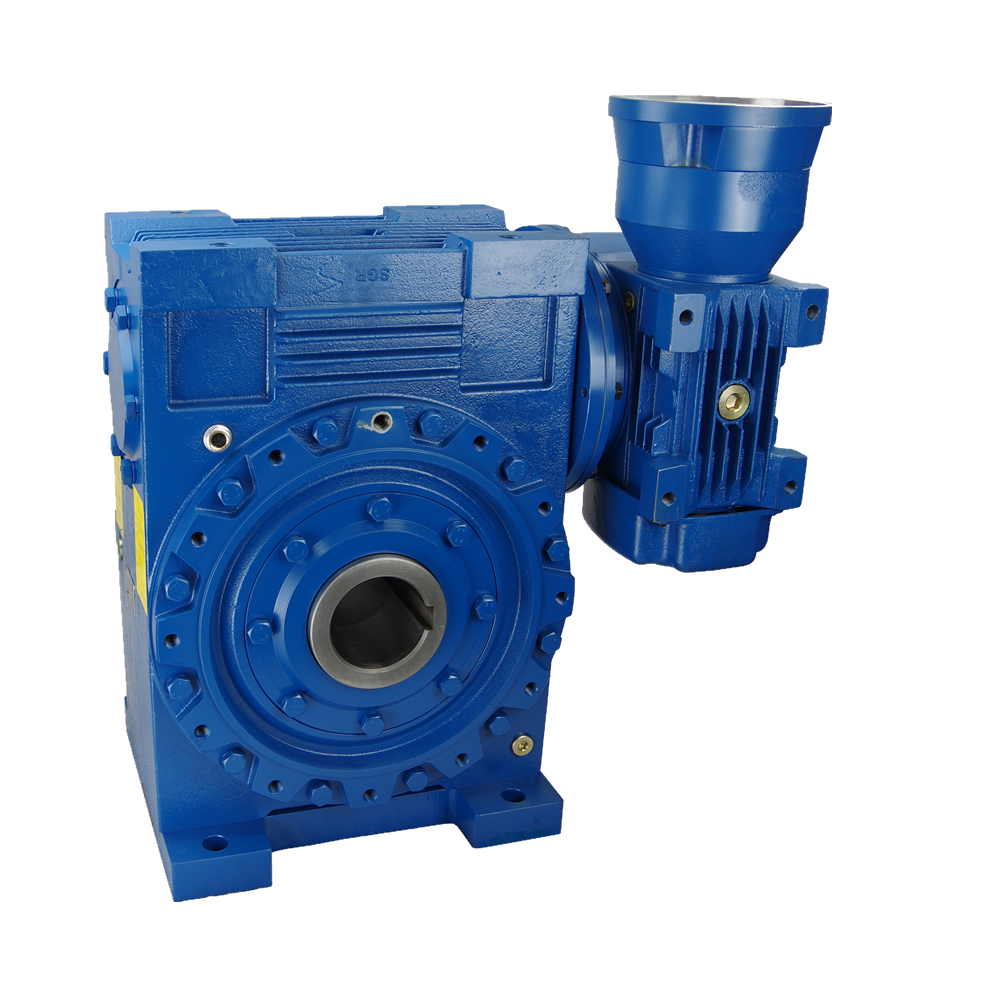
Product Description Series C double enveloping worm gearModel: 100 - 500Ratio: 10 -63Output Torque ...
See Details
Product Info: The MNC3E400 series high speed and high torque industrial planetary gear reducers are ...
See Details
Model: 200-885 Ratio: 3.15-7800 Output Torque :1500Nm-540000Nm Rating Power :0.25KW-200kw Descripti...
See Details
SGR is an ISO 9001 certified, DNV-accredited industry gearbox manufacturer since 1996. We supply different gear reducers to brands worldwide.