Global
  English
 中文简体
中文简体 русский
 Español
News Directory
Off-the-shelf gearboxes work fine until the equipment doesn't fit the standard mold: an unusual mounting envelope, a non-standard torque curve, or an operating environment that chews through generic components. That is where customised gearboxes come in. Engineered around the exact torque, speed, space, and environmental requirements of a specific machine, they trade catalog convenience for precision fit and long-term reliability. Here is what makes that trade worthwhile.
A customised gearbox is a transmission system engineered to a specific application's torque, speed ratio, mounting geometry, and environmental conditions, rather than selected from a fixed catalog range. The gear train, housing, bearing arrangement, and lubrication system are all specified to match the exact machine rather than a generic duty class.
Ratio, tooth profile, and stage count are engineered to the exact input and output speed requirement.
Shaped and sized to fit the available installation envelope, not a standard frame size.
Selected for the actual radial and axial loads the application generates, plus environmental exposure.
Matched to operating temperature range and duty cycle, from splash lubrication to forced circulation.
Standard gearboxes are designed around broad duty classes, which forces some margin of mismatch in almost every real installation. Custom design removes that mismatch directly.
A gearbox rated for the wrong torque curve does not just underperform, it wears unevenly and fails earlier than one correctly matched to the actual load profile, even at a lower nominal rating.
Application-specific design improves torque transmission by matching gear stage ratios to the real load curve instead of a generic rating band. It also allows the housing to fit constrained installation spaces on retrofit projects where a standard frame simply will not clear surrounding equipment. In harsh environments, from wind turbine nacelles to marine deck machinery, custom seal and lubrication specification keeps contaminants and moisture out far better than a generic sealing package.
Higher upfront design cost and longer lead time, but precisely matched performance, better space utilization, and fewer premature failures over the equipment's life.
Lower cost and immediate availability from catalog stock, but built-in performance margin means some mismatch with the actual application is almost unavoidable.
Building a customised gearbox follows a structured engineering sequence rather than a pick-from-catalog process.
| Factor | What to Specify |
| Torque and speed | Peak and continuous torque, input/output speed range |
| Operating environment | Temperature range, moisture, dust, or chemical exposure |
| Installation space | Mounting geometry and available clearance envelope |
| Service expectations | Target service interval and maintenance access requirements |
Custom design makes sense when torque or speed requirements fall outside standard catalog ranges, installation space is constrained, or the operating environment demands non-standard sealing and lubrication.
Custom gearboxes typically require weeks to months for design, manufacturing, and testing, compared to near-immediate availability for standard catalog units.
When properly engineered to the application's actual load profile, custom gearboxes generally show better long-term reliability because they avoid the performance mismatch inherent in generic duty ratings.
Wind energy, robotics, heavy industrial machinery, marine equipment, and specialty vehicle manufacturing are among the most common users of custom gearbox designs.
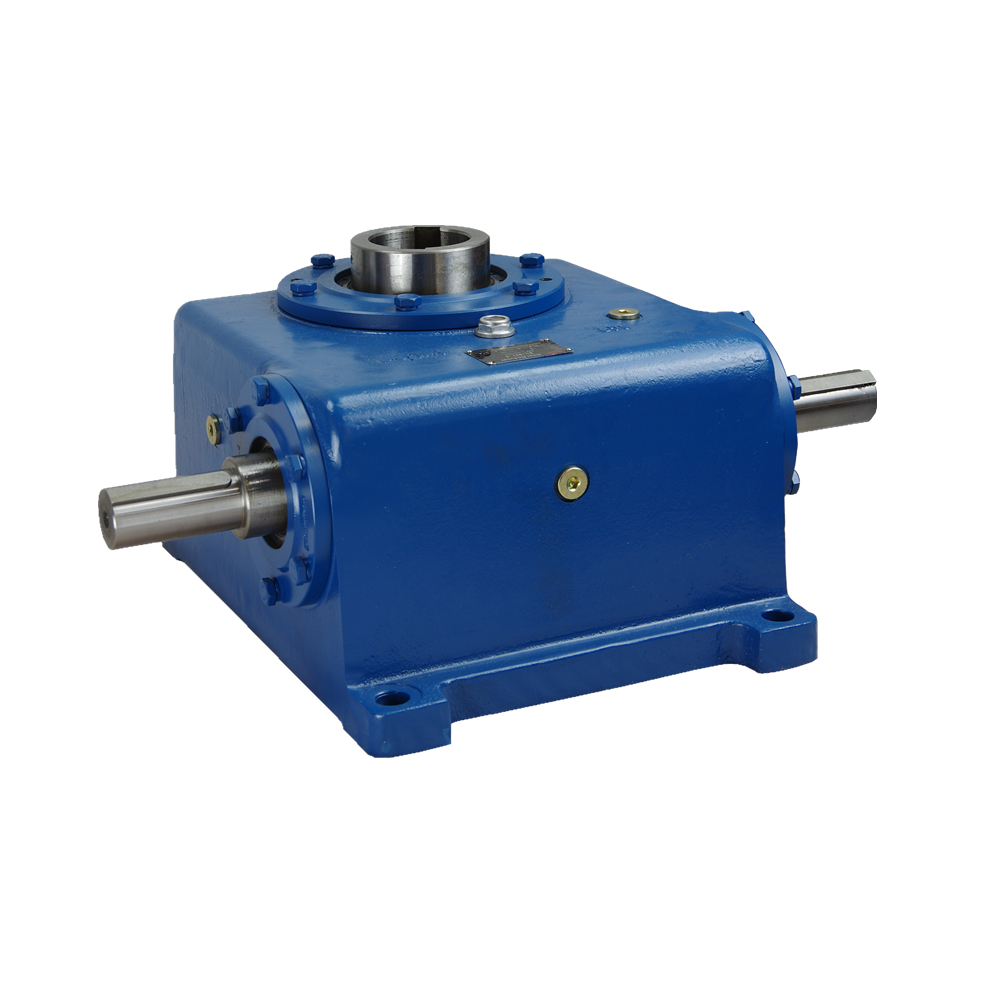
Description :1, High torque double enveloping worm gear adjust toughest working condition .2,Univers...
See Details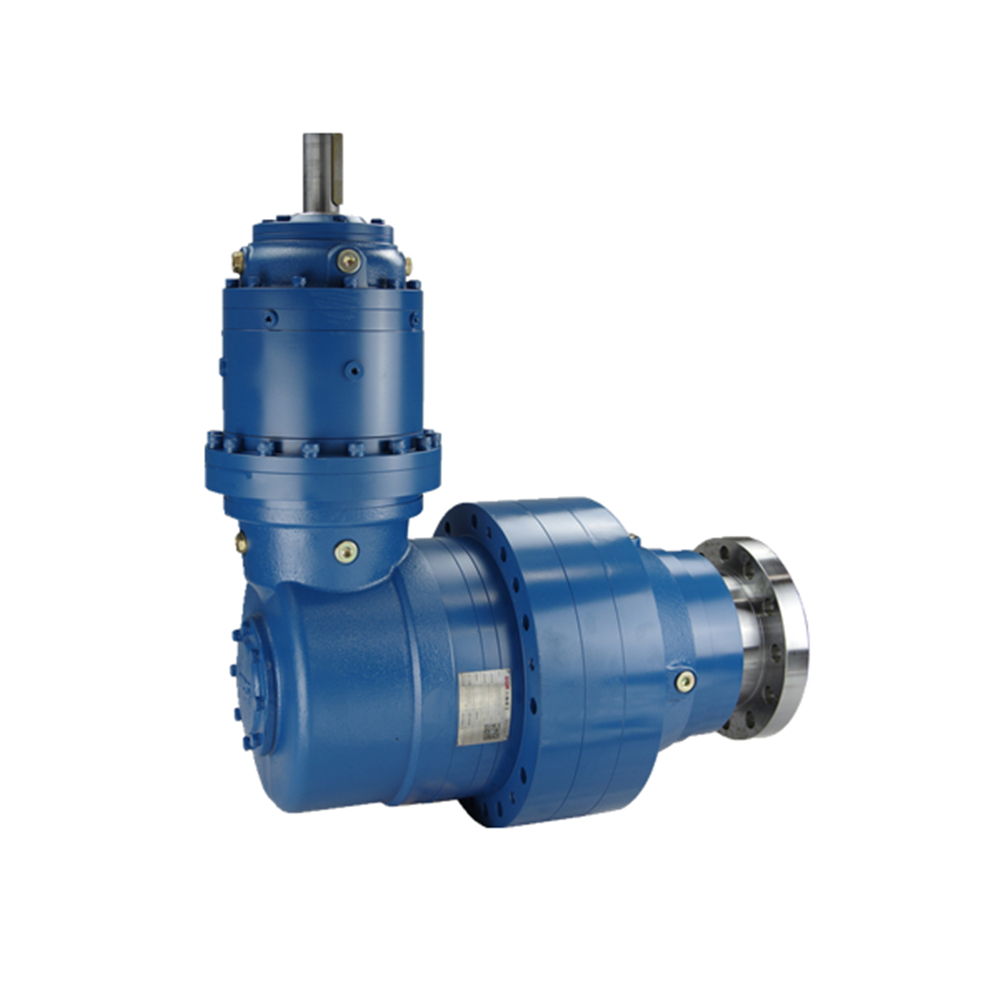
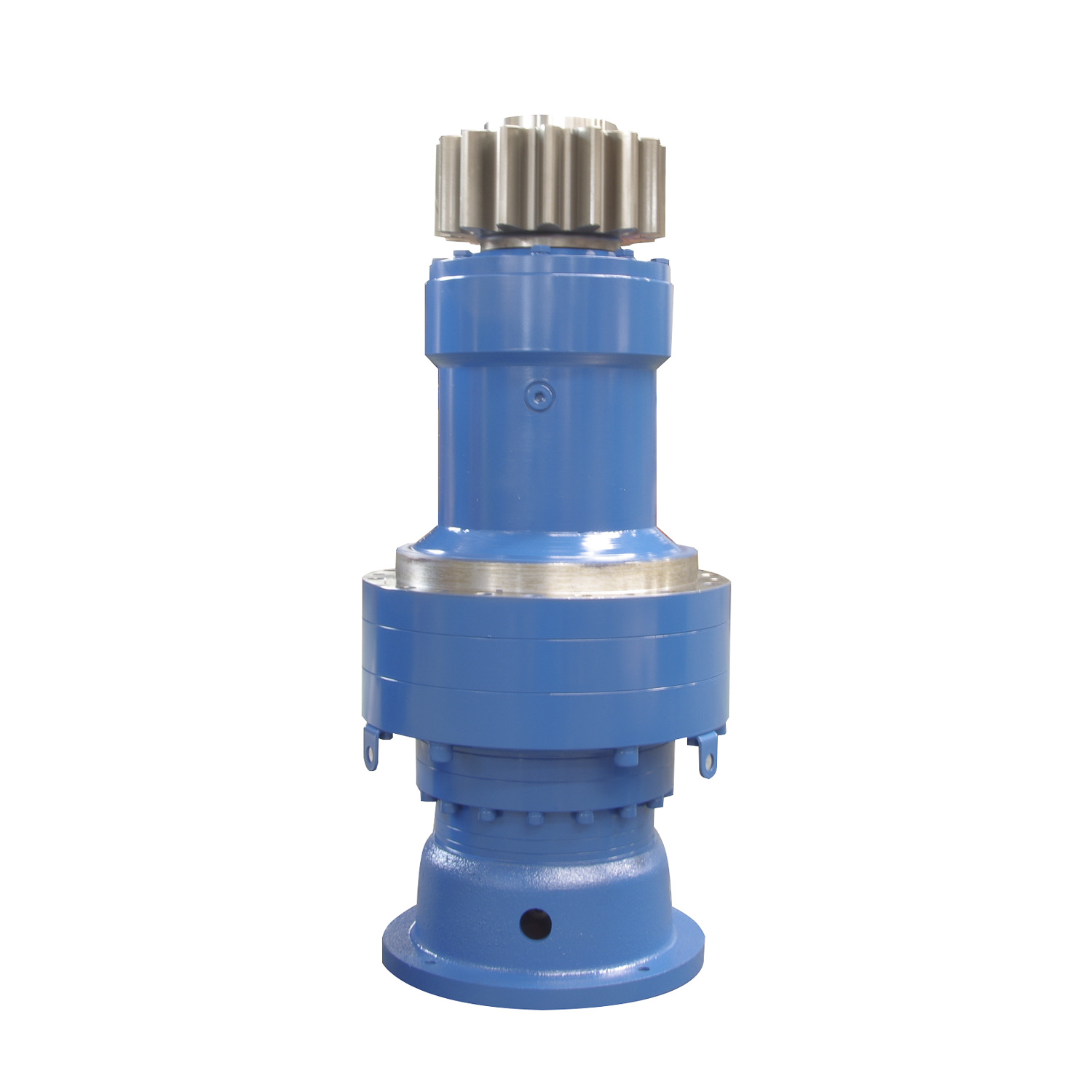
Technical data: 1. Ratio range: 3.15-30002. Input power: 0.25-55KW3. Permit torque rang: ≤ 200000N. ...
See Details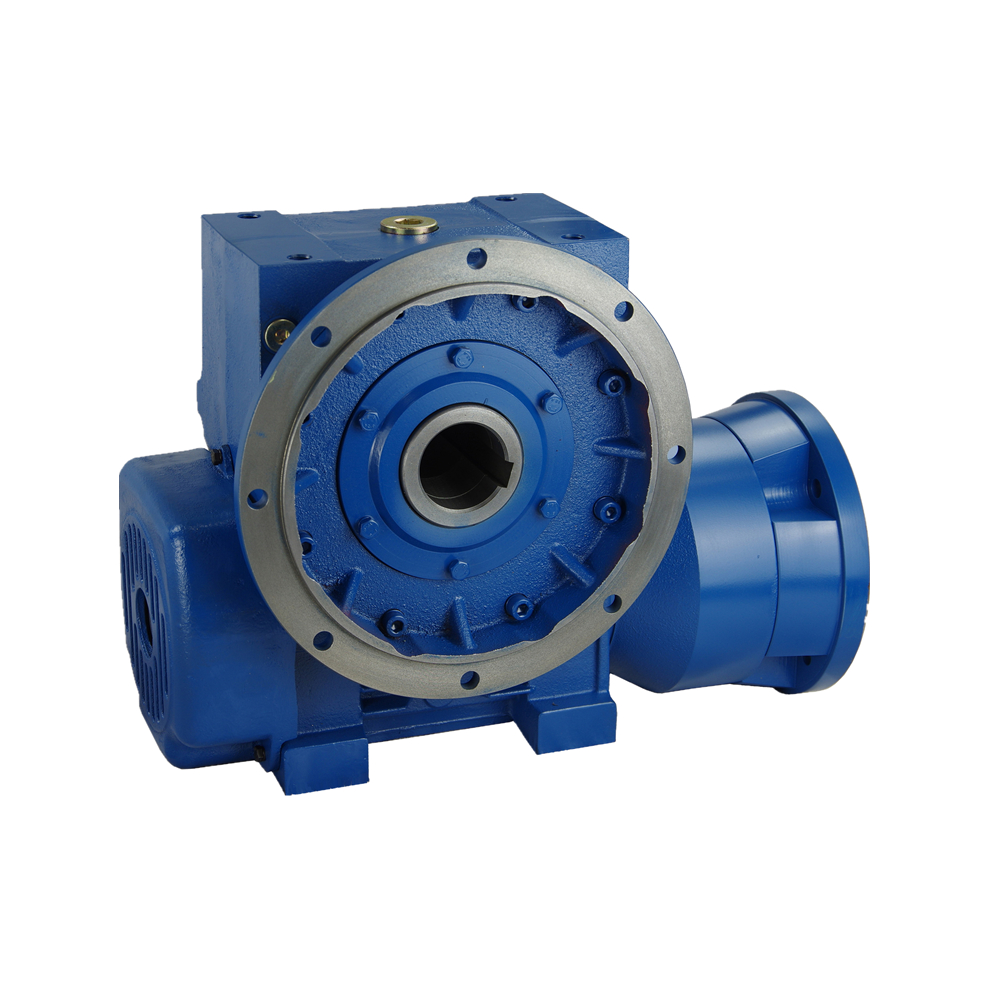
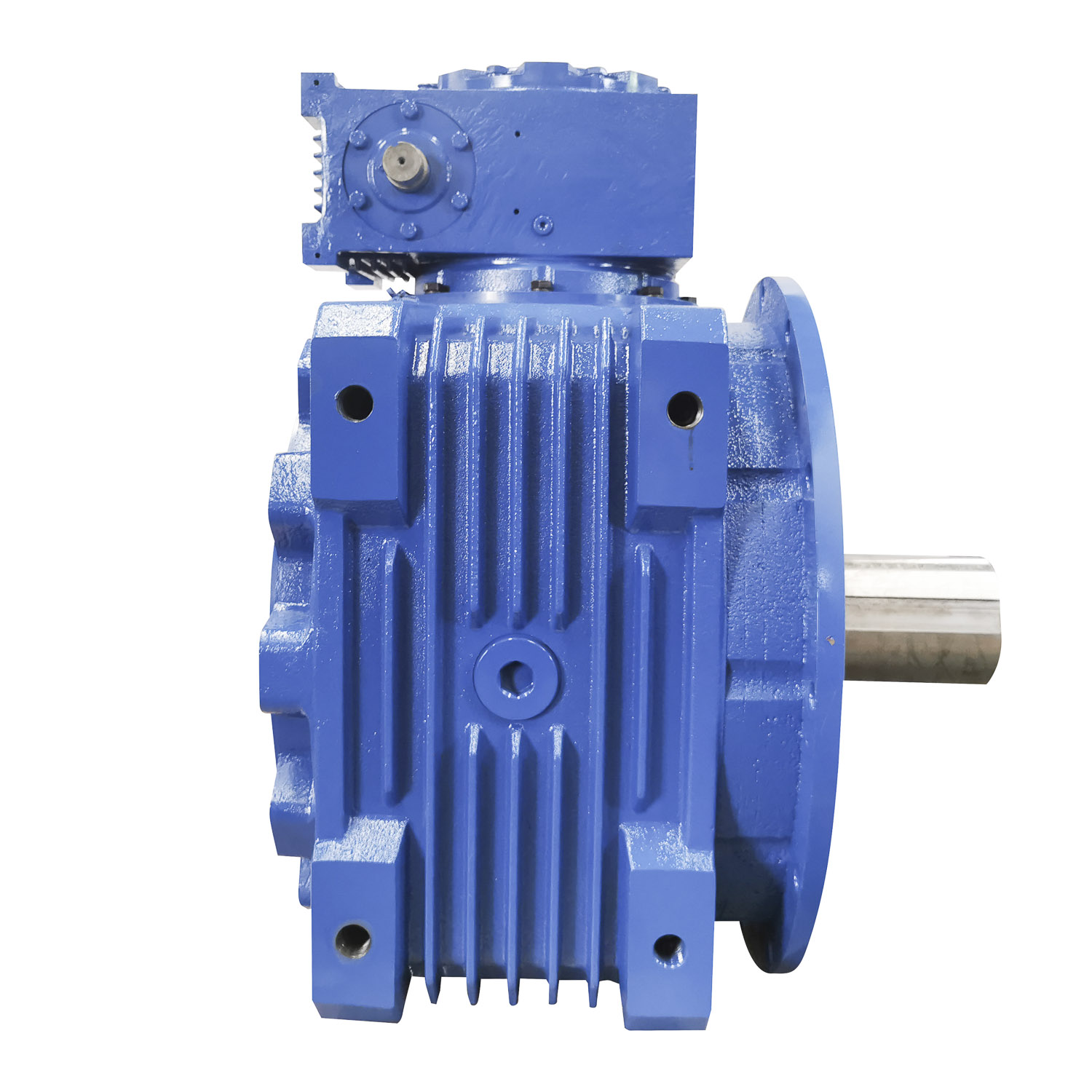
Product Description Series C double enveloping worm gearModel: 100 - 500Ratio: 10 -63Output Torque ...
See Details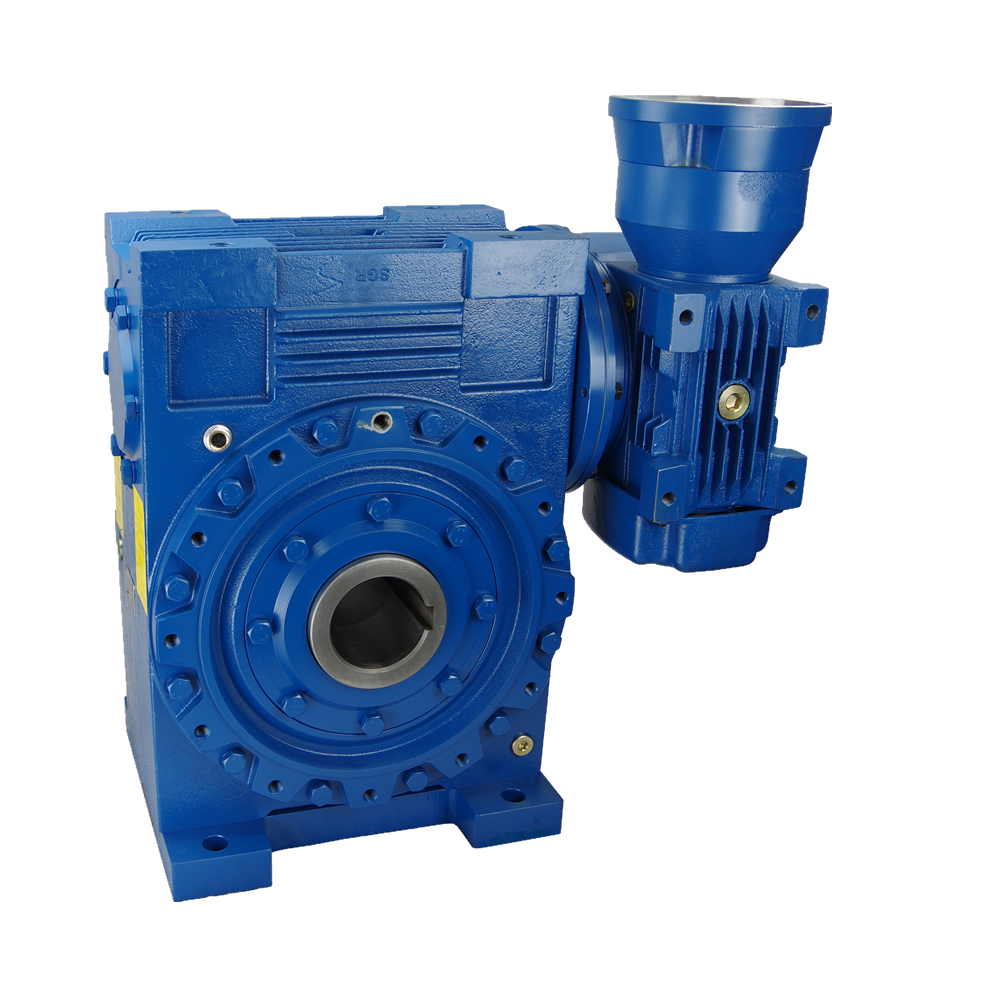
Product Description Series C double enveloping worm gearModel: 100 - 500Ratio: 10 -63Output Torque ...
See Details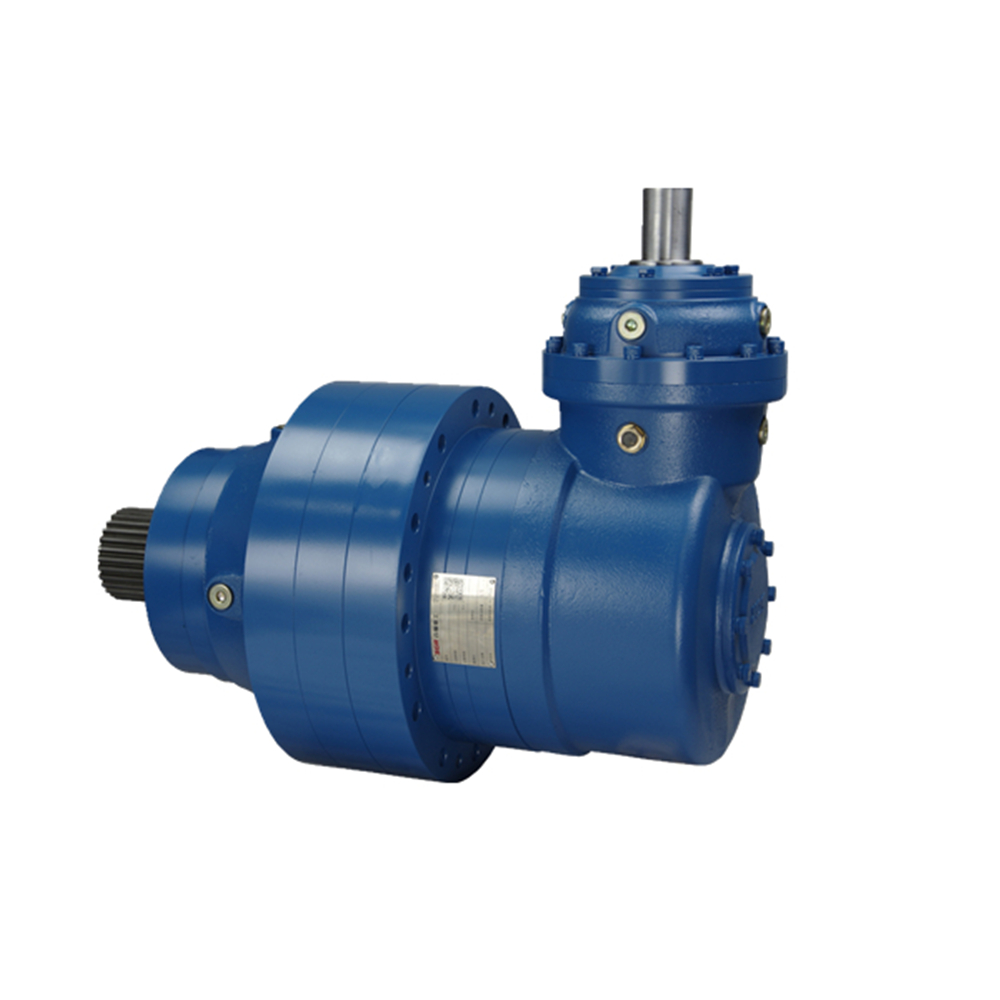
Technical data: 1. Ratio range: 3.15-30002. Input power: 0.25-55KW3. Permit torque rang: ≤ 200000N. ...
See Details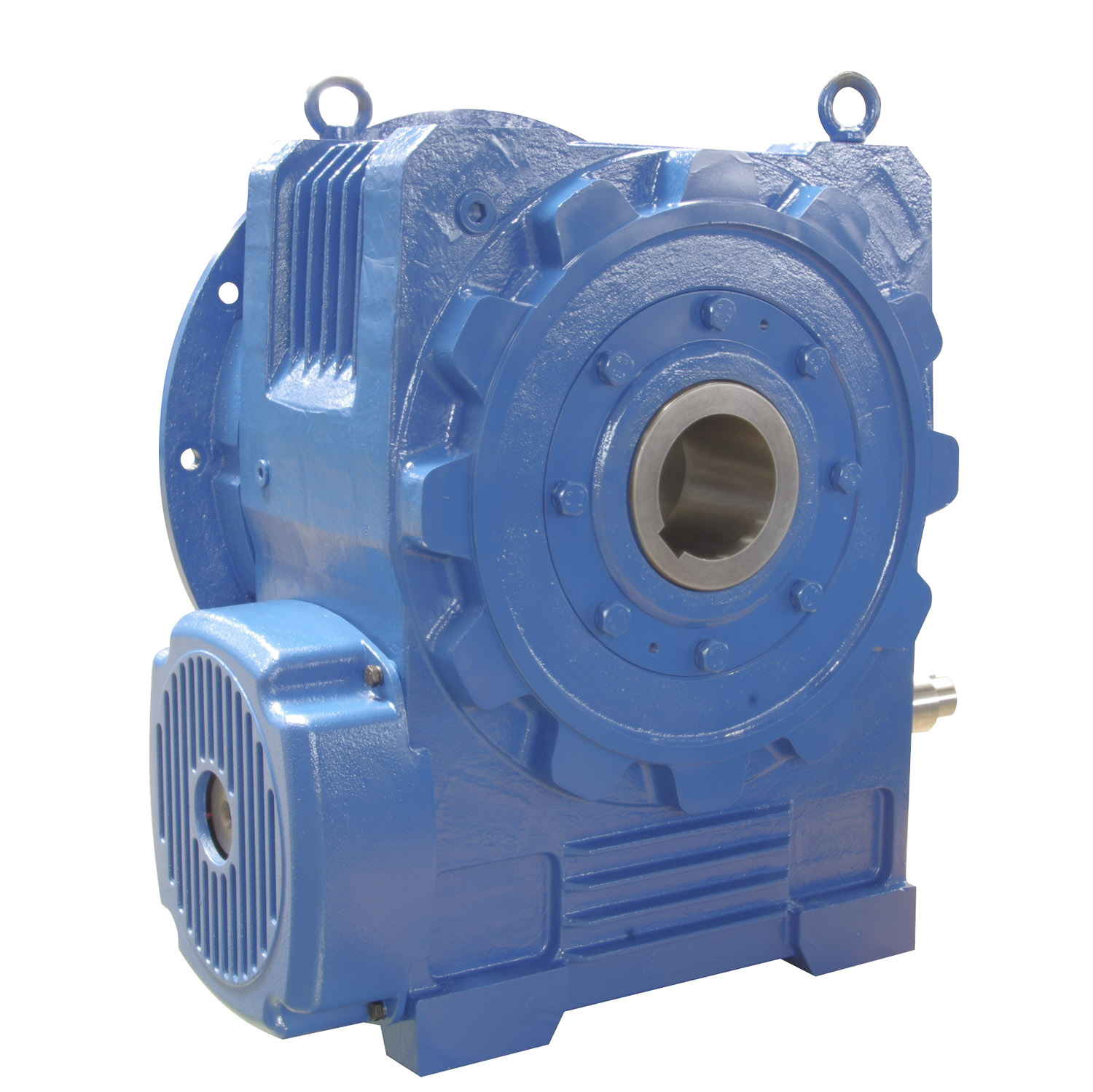
Product Description Series C double enveloping worm gearModel: 100 - 500Ratio: 10 -63Output Torque ...
See Details
SGR is an ISO 9001 certified, DNV-accredited industry gearbox manufacturer since 1996. We supply different gear reducers to brands worldwide.