 Global
 English
 русский
 Español
 中文简体
Model: 200-885Ratio: 3.15-7800Output Torque :1500Nm-540000NmRating Power :0.25KW-200kwDescription : ...
See Details
News Directory
Choosing the right gearbox is essential for achieving reliable power transmission, improving equipment performance, and controlling operating costs. Among the most widely used industrial transmission solutions are gear reducers, planetary gearboxes, and worm gearboxes.
Although all three types reduce rotational speed and increase output torque, they differ significantly in transmission structure, efficiency, load capacity, size, and application suitability.
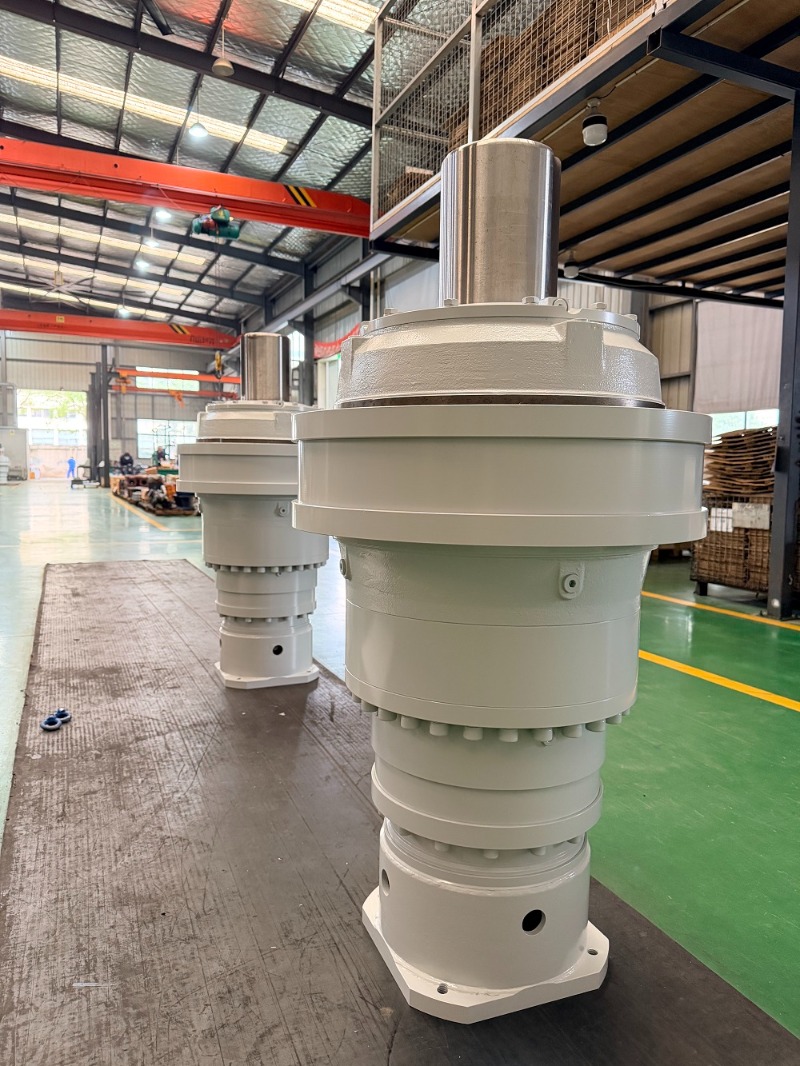
So, what are the main differences between these three gearbox types? Which one is best for your machinery?
Drawing on more than 10 years of experience in industrial gearbox development and manufacturing, SGR explains their working principles, key characteristics, typical applications, and practical selection considerations in this guide.
A gear reducer uses two or more meshing gears with different numbers of teeth to reduce rotational speed and increase output torque. Depending on the gear arrangement, common types include spur gear reducers, helical gear reducers, bevel gear reducers, and other industrial gear transmission systems.
Gear reducers are widely used because of their mature design, reliable operation, and adaptability to different industrial conditions.
Key Advantages of Gear Reducers
Typical Applications
Gear reducers are commonly used in applications where reliable power transmission, high load capacity, and practical maintenance are important. Typical industries include:
For example, a conveyor system may use a helical gear reducer to provide stable rotational speed and sufficient torque for continuous material transportation.
Gear reducers are often a practical choice for general industrial equipment that requires dependable performance without demanding an especially compact transmission structure or very high positioning accuracy.
A planetary gearbox, also known as a planetary gear reducer, consists primarily of a sun gear, multiple planet gears, an internal ring gear, and a planet carrier.
The sun gear drives several planet gears, which rotate around it while engaging with the internal ring gear. The planet carrier transfers the resulting motion to the output shaft.
This coaxial transmission arrangement allows multiple planet gears to share the transmitted load, making planetary gearboxes particularly suitable for applications requiring high torque capacity within a relatively compact structure.
Key Advantages of Planetary Gearboxes
Typical Applications
Planetary gearboxes are widely used in machinery requiring high torque, compact installation dimensions, and reliable operation under demanding working conditions.
Common applications include:
For example, a heavy-duty metal shredder requires substantial output torque to process materials with varying resistance. A properly selected planetary gearbox can provide the necessary torque capacity while maintaining a relatively compact transmission structure.
Planetary gearboxes are particularly suitable when equipment designers need to balance high torque, installation space, and transmission performance.
A worm gearbox mainly consists of a worm and a worm wheel. Their axes are generally arranged at an angle, commonly 90 degrees, allowing power to be transmitted between non-parallel, non-intersecting shafts.
When the worm rotates, it drives the worm wheel through the meshing contact between their teeth, reducing output speed and increasing torque.
Worm gearboxes are well known for their ability to achieve high reduction ratios in a relatively compact arrangement. Depending on the design and operating conditions, certain worm gearbox configurations can also provide self-locking characteristics.
Key Advantages of Worm Gearboxes
Typical Applications
Worm gearboxes are commonly used in equipment requiring high reduction ratios, right-angle transmission, or self-locking characteristics.
Typical applications include:
For example, a lifting mechanism may use a worm gearbox to achieve a high reduction ratio and controlled output speed. Where reverse movement must be prevented, the gearbox's self-locking characteristics may also be considered.
Important: Self-locking is not guaranteed for every worm gearbox. It depends on the worm geometry, lead angle, friction conditions, lubrication, wear, and operating environment. If personnel or equipment safety depends on holding a load, an independently rated mechanical brake or other safety device should be used as required by the system design.
Although these three gearbox types serve the same basic purpose of reducing speed and transmitting torque, their structures and performance characteristics make them suitable for different applications.
The following table summarizes their main differences.
|
Comparison Factor |
Gear Reducer |
Planetary Gearbox |
Worm Gearbox |
|
Transmission structure |
Meshing gear pairs |
Sun gear, planet gears, ring gear, carrier |
Worm and worm wheel |
|
Main advantage |
Mature design and versatility |
High torque density and compact structure |
High reduction ratio and right-angle transmission |
|
Load capacity |
Medium to high, depending on design |
High relative to size |
Depends on size, materials, and thermal capacity |
|
Transmission efficiency |
Generally high |
Generally high |
Usually lower due to sliding friction |
|
Reduction ratio |
Depends on gear stages |
Flexible through single or multiple stages |
High ratios can be achieved in one stage |
|
Installation space |
Varies by configuration |
Relatively compact |
Compact for right-angle transmission |
|
Output arrangement |
Parallel, right-angle, or other configurations |
Typically coaxial |
Typically right-angle |
|
Self-locking |
Not an inherent feature |
Not an inherent feature |
Possible in certain designs and conditions |
|
Typical applications |
Conveyors, production lines, general machinery |
Mining, lifting, drilling, heavy-duty equipment |
Lifting, positioning, conveyors, packaging machinery |
Note: The comparison describes general characteristics. Actual performance depends on gearbox design, size, gear materials, manufacturing quality, lubrication, operating conditions, and selected transmission ratio.
Transmission efficiency is an important consideration when selecting an industrial gearbox.
In general, conventional gear reducers and planetary gearboxes can achieve relatively high efficiency because power is primarily transmitted through rolling and meshing gear contact.
Worm gearboxes involve more sliding friction between the worm and worm wheel. As a result, their efficiency is generally lower and more sensitive to the reduction ratio, materials, lubrication, and operating conditions.
However, efficiency should not be the only selection criterion. A worm gearbox may still be the better solution when a high reduction ratio, right-angle transmission, or suitable self-locking characteristics are required.
Planetary gearboxes are often a strong choice for high-torque applications, particularly when installation space is limited.
Their multiple-planet structure distributes the transmitted load among several gear meshes, supporting high torque density.
However, conventional industrial gear reducers can also provide substantial output torque when properly designed and sized. Heavy-duty worm gearboxes, including double-enveloping designs, can also achieve high torque capacity.
The right choice depends on the required torque, duty cycle, speed, thermal conditions, installation dimensions, and total transmission system design.
To help customers identify suitable transmission products more efficiently, SGR has introduced a 3D gearbox selection system.
The system features a graphical interface and an interactive selection guide. By entering key gearbox requirements, users can obtain product recommendations that match their specified parameters.
The system also supports downloading 3D models in various formats and product catalogs, helping equipment designers and engineers evaluate gearbox dimensions and integrate selected products into their mechanical designs.
This digital selection tool helps simplify the early stages of gearbox selection, reduces repetitive manual searches, and supports more efficient communication between customers and SGR's technical team.
For customized or non-standard applications, customers can also provide equipment drawings, operating parameters, and installation requirements for further technical evaluation.
SGR is an industrial gearbox manufacturer specializing in planetary gearboxes and worm gear reducers, with more than 10 years of experience in gearbox development and manufacturing.
The company provides industrial transmission products and application-oriented solutions for machinery manufacturers and industrial equipment users.
SGR's engineering and manufacturing capabilities include:
SGR's product portfolio includes N-Series planetary gearboxes and C-Series double-enveloping worm gearboxes, serving applications in mining, metallurgy, construction machinery, lifting equipment, wind power, marine auxiliary systems, and other industrial sectors.
For customers looking for a suitable gearbox for new equipment or evaluating alternatives to imported products, SGR can provide product selection support, technical communication, and customized transmission solutions based on specific application requirements.
Q1: What is the main difference between a gear reducer and a planetary gearbox?
A gear reducer is a broad term for a mechanical device that reduces rotational speed and increases output torque through gear transmission. A planetary gearbox is a specific type of gear reducer that uses sun gears, planet gears, an internal ring gear, and a planet carrier. Its structure allows multiple gears to share the load, providing high torque capacity in a compact arrangement.
Q2: Is a planetary gearbox more efficient than a worm gearbox?
In general, planetary gearboxes offer higher transmission efficiency because their gear meshes involve less sliding friction than worm gear transmission. However, actual efficiency depends on the gearbox design, reduction ratio, lubrication, load, and operating speed.
Q3: When should I choose a worm gearbox?
A worm gearbox is worth considering when your equipment requires a high reduction ratio, right-angle transmission, smooth operation, or potential self-locking characteristics. The actual selection should also consider efficiency, heat generation, lubrication, and load requirements.
Q4: Can a worm gearbox be self-locking?
Some worm gearboxes can provide self-locking characteristics under specific operating conditions. However, self-locking depends on factors such as lead angle, friction, lubrication, and wear. It should not be treated as a substitute for a safety brake in applications where load holding is safety-critical.
Q5: What information is needed to select an industrial gearbox?
The basic information usually includes input power and speed, required output speed, output torque, reduction ratio, operating hours, load characteristics, installation dimensions, mounting position, and environmental conditions. Providing equipment drawings and application details can help manufacturers recommend a more suitable gearbox.
Gear reducers, planetary gearboxes, and worm gearboxes each have their own structural advantages and application characteristics.
The most suitable gearbox is the one that matches your equipment's actual operating conditions, performance requirements, and installation constraints.(Author,SGR, Angie Zhang)
WhatsApp: +86 188 1807 0282
Model: 200-885Ratio: 3.15-7800Output Torque :1500Nm-540000NmRating Power :0.25KW-200kwDescription : ...
See Details
Key feature:Planetary gearbox is produced by modular design, and can be combined according to client...
See Details
Technical data: 1. Ratio range: 3.15-90002. Input power: 0.25-55KW3. Permit torque rang: ≤ 800000N. ...
See Details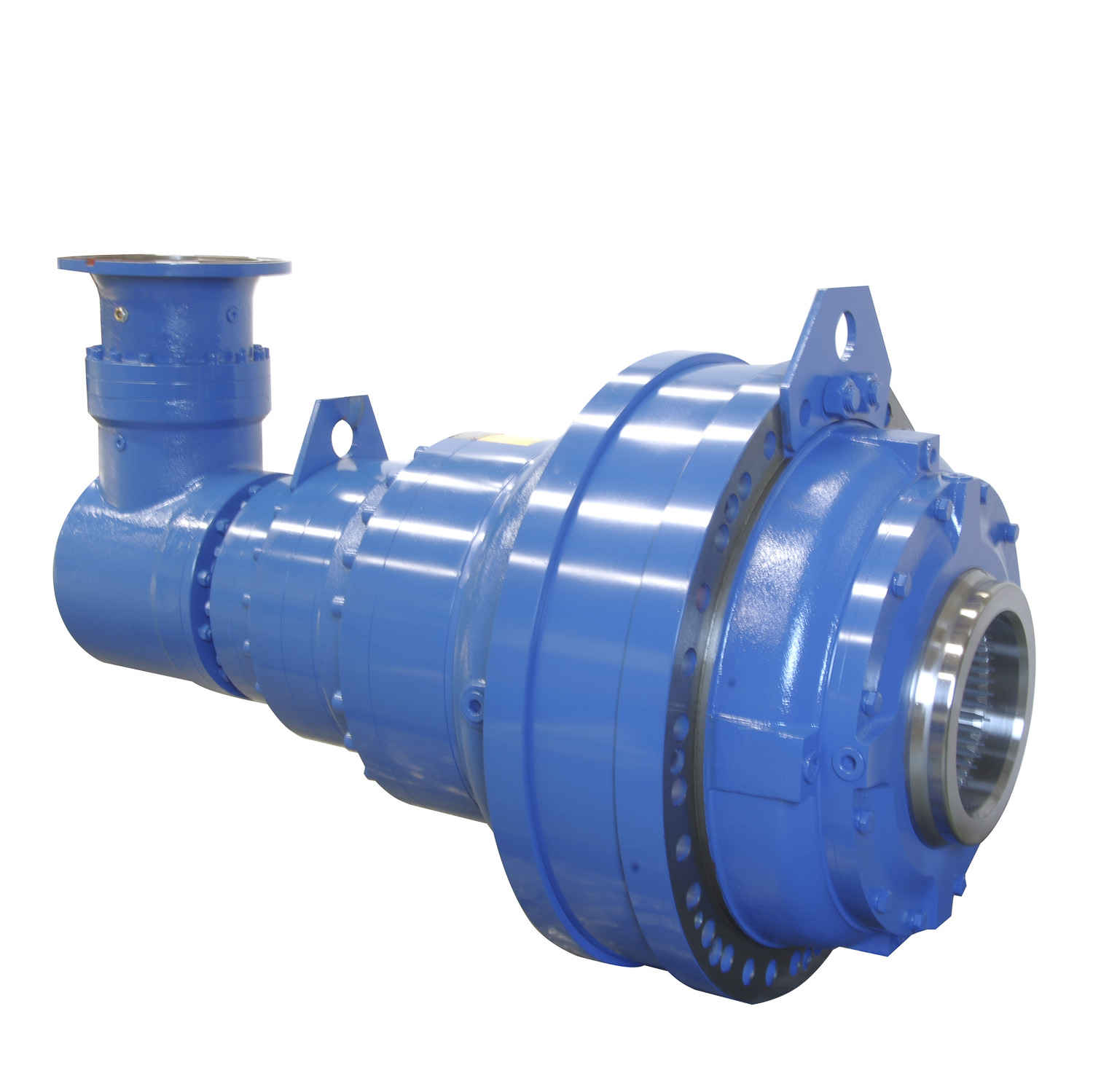
Planetary gearbox is produced by modular design, and can be combined according to client's request H...
See Details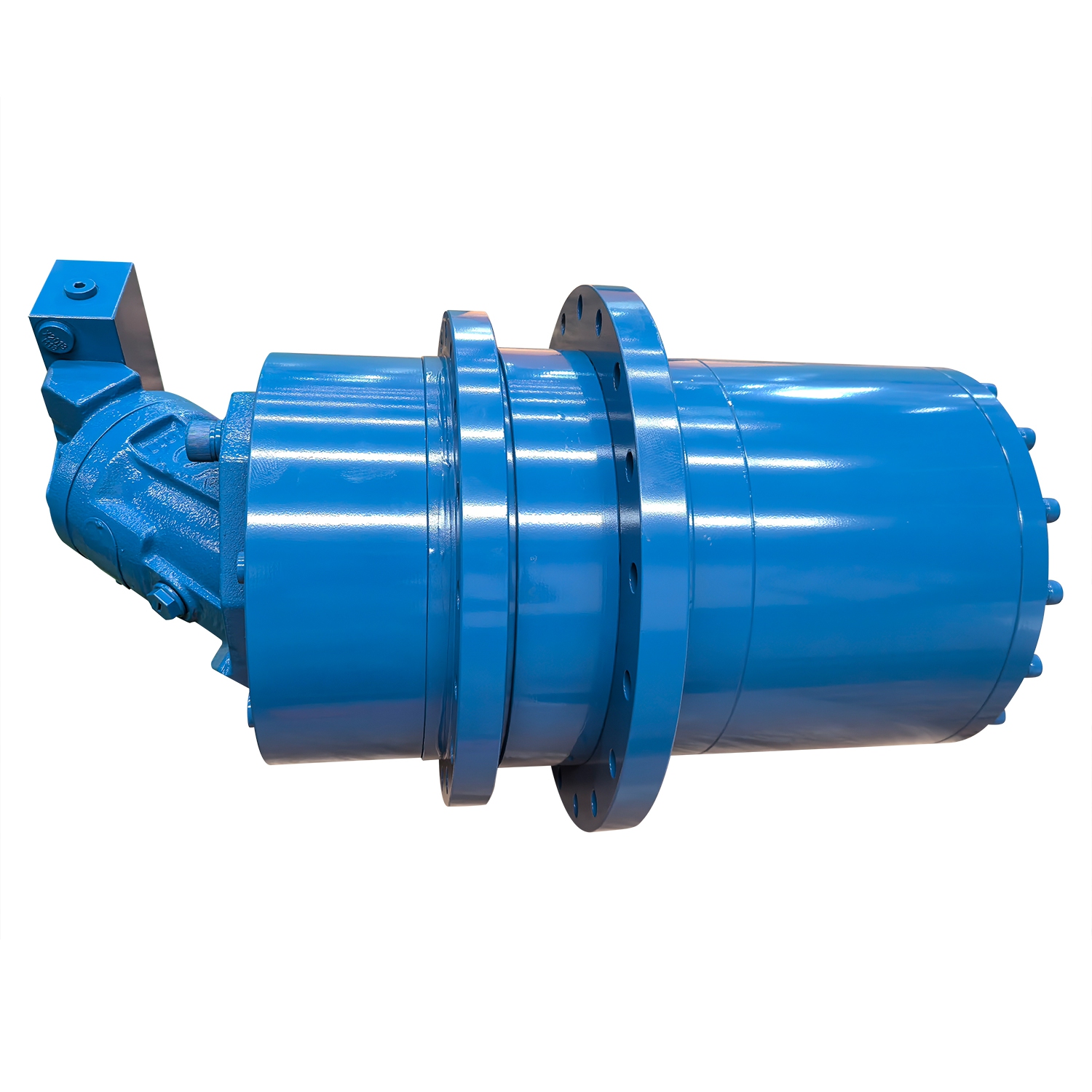
Model: 200-885 Ratio: 3.15-7800 Output Torque :1500Nm-540000Nm Rating Power :0.25KW-200kw Descripti...
See Details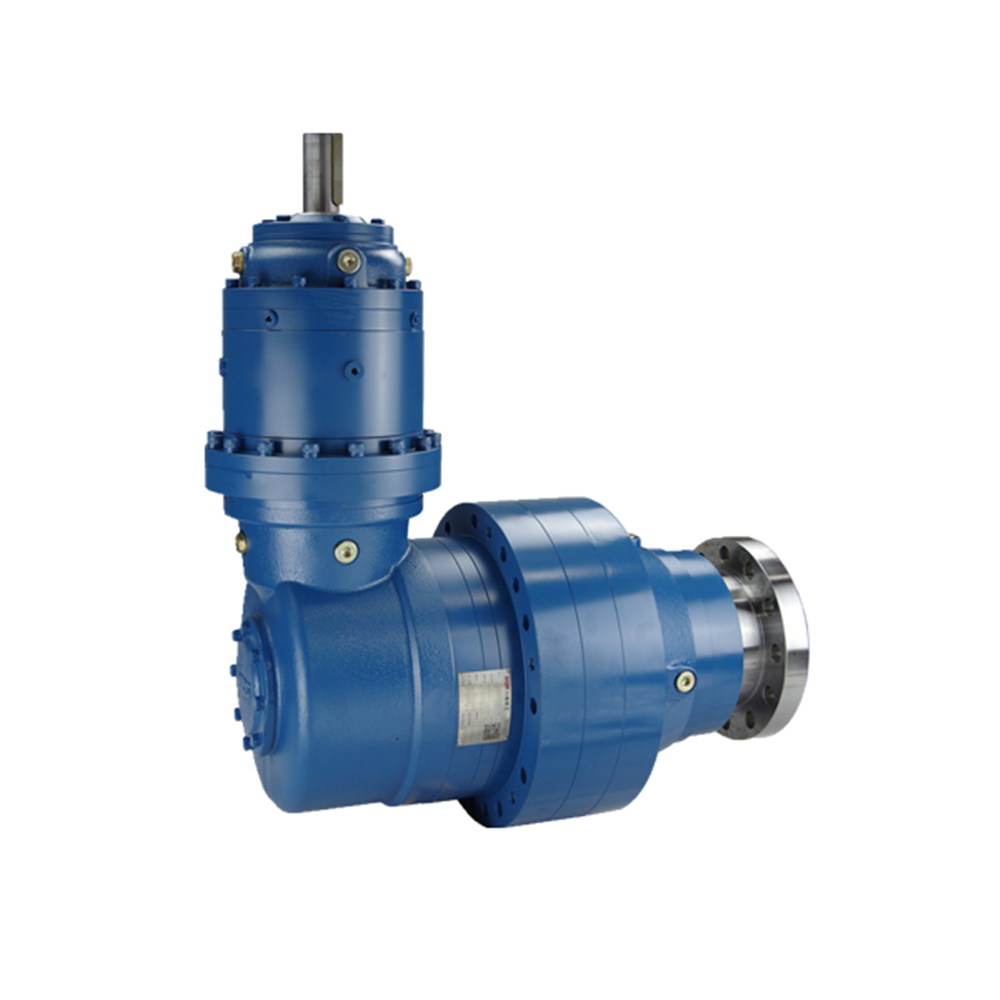
Technical data: 1. Ratio range: 3.15-30002. Input power: 0.25-55KW3. Permit torque rang: ≤ 200000N. ...
See Details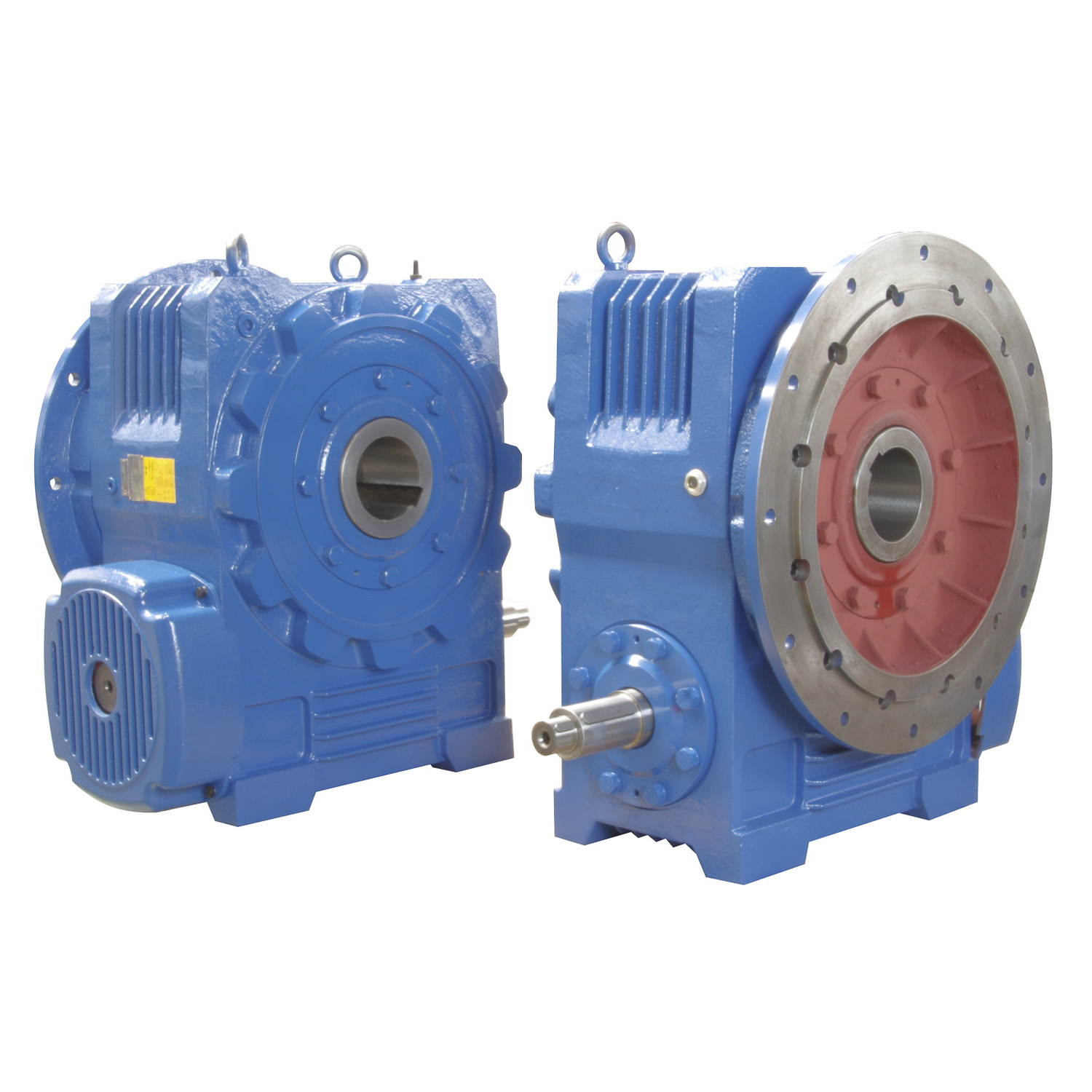
In term of difference of double enveloping worm gear design and traditional worm gear design , do...
See Details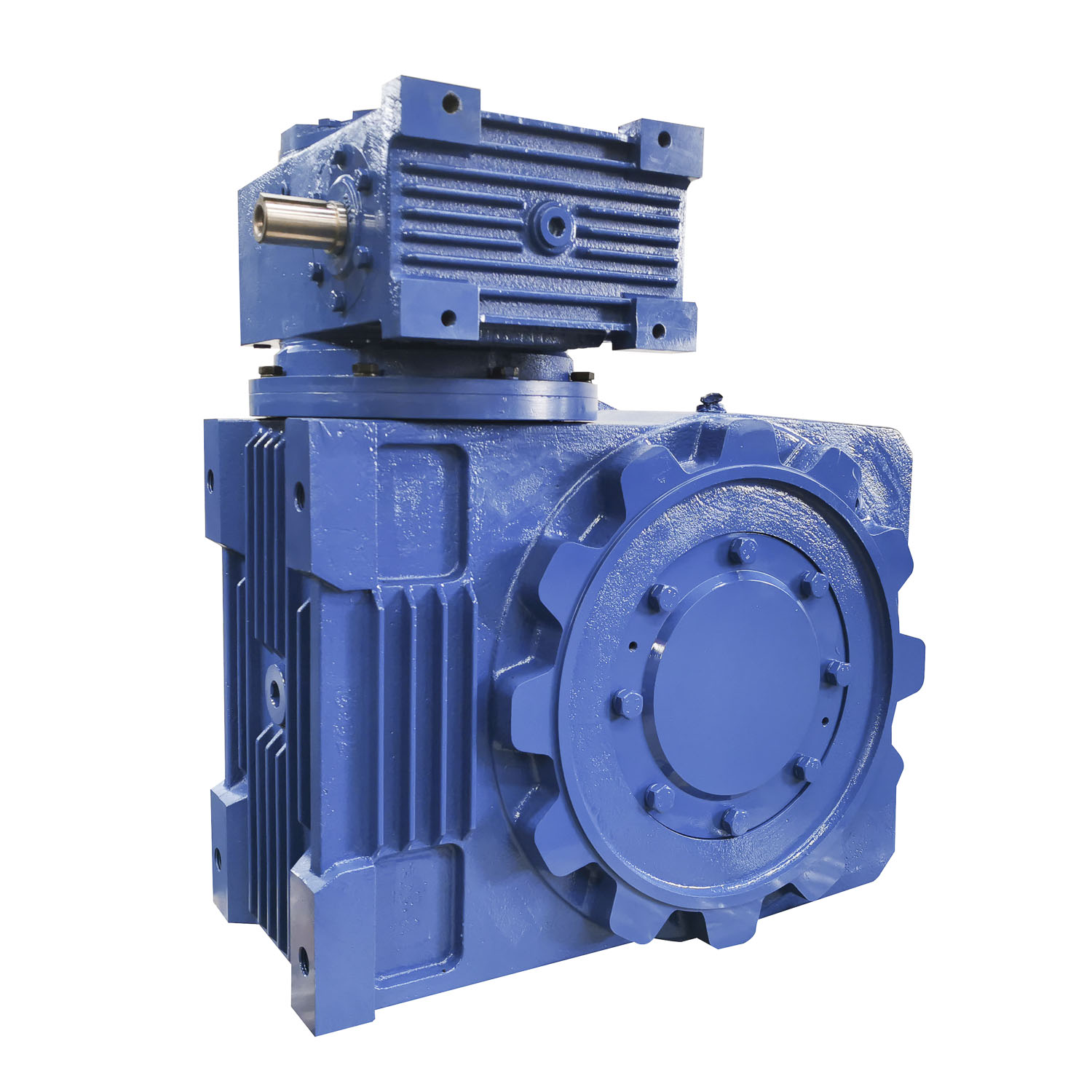
Parameters of SGR's Cast Iron Reducer Double Enveloping Worm Gearbox: Output Torque : 683 - 51180 N....
See Details
SGR is an ISO 9001 certified, DNV-accredited industry gearbox manufacturer since 1996. We supply different gear reducers to brands worldwide.

