 Global
 English
 русский
 Español
 中文简体
Model: 200-885Ratio: 3.15-7800Output Torque :1500Nm-540000NmRating Power :0.25KW-200kwDescription : ...
See Details
News Directory
A worm gearbox is widely used in industrial machinery because of its high reduction ratio, compact structure, substantial torque transmission capacity, and smooth operation. It is commonly found in conveyor systems, lifting equipment, packaging machinery, material handling systems, and various other industrial applications.
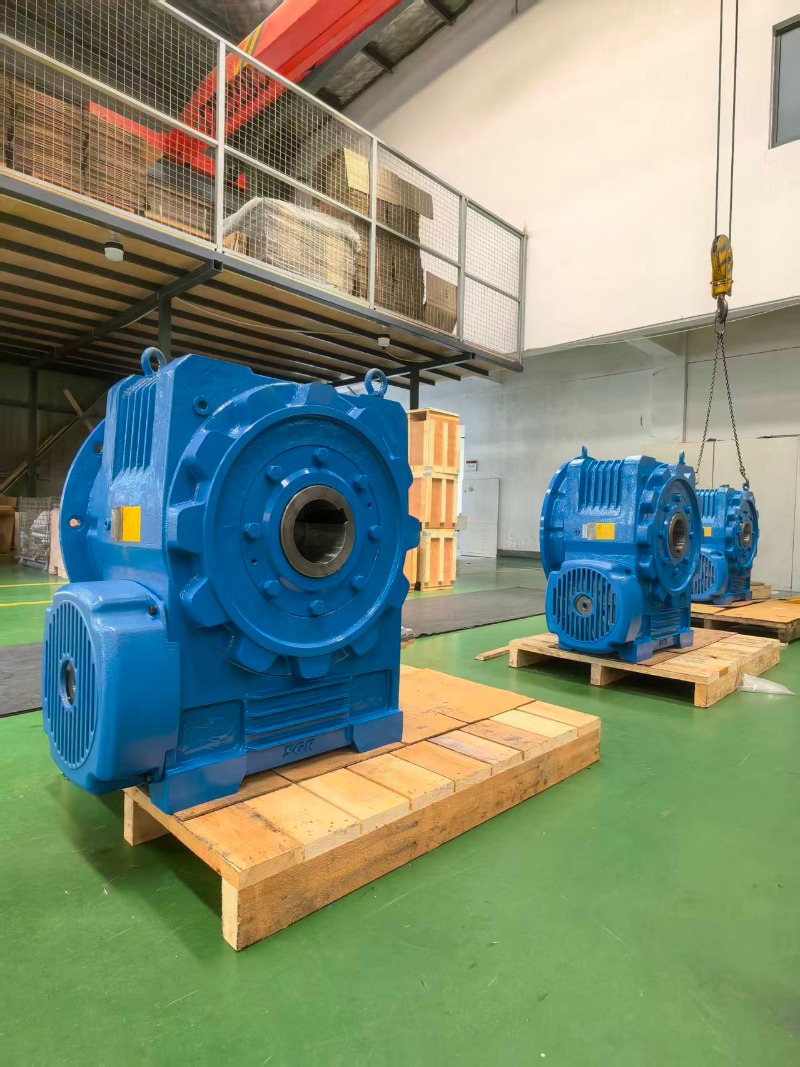
Under normal operating conditions, a properly installed and maintained worm gearbox should produce relatively stable and consistent operating noise. However, if you notice unusual humming, grinding, squealing, rattling, or periodic knocking sounds, it may indicate a problem with the gearbox installation, lubrication, internal components, or operating conditions.
Ignoring abnormal gearbox noise can lead to accelerated gear wear, bearing damage, overheating, and even unexpected equipment downtime.
So, why is your worm gearbox making noise? How can you identify the source of the problem and determine whether maintenance or component replacement is necessary?
In this guide, SGR explains six common causes of worm gearbox noise and provides a practical five-step troubleshooting process to help equipment operators and maintenance engineers identify potential faults.
Before inspecting a worm gearbox, it is important to understand that different types of noise may indicate different mechanical problems. The sound itself can provide useful clues, although it should not be used as the only basis for diagnosing a fault.
Improper installation is one of the common causes of abnormal noise and vibration in industrial gearboxes.
A worm gearbox must be securely mounted and correctly aligned with the connected motor and driven equipment. If the motor and gearbox shafts are misaligned, additional radial or axial forces may act on the shafts and bearings.
Several installation problems can contribute to abnormal noise:
These problems may produce continuous humming, abnormal vibration, or periodic mechanical noise during operation.
For example, if the coupling between the motor and worm gearbox is incorrectly aligned, the resulting additional loads can increase bearing stress and cause vibration. Over time, this may also accelerate bearing wear.
Troubleshooting tip: Check the mounting bolts, foundation, coupling condition, and shaft alignment. Correcting installation problems may significantly reduce noise and vibration.
Lubrication plays a critical role in the performance and service life of a worm gearbox.
Unlike many conventional gear transmissions, worm gear transmission involves considerable sliding contact between the worm and worm wheel. This makes proper lubrication particularly important for reducing friction, controlling heat generation, and minimizing wear.
Several lubrication-related problems may cause abnormal noise:
When the lubricant cannot provide an adequate film between the contact surfaces, friction may increase significantly. This can result in grinding, squealing, or other abnormal mechanical sounds.
Using an unsuitable lubricant may also affect heat dissipation and wear protection.
Troubleshooting tip: Check the oil level and inspect the lubricant condition. If the oil is darkened, emulsified, contaminated, or contains visible metal particles, further inspection is necessary. Refill or replace the lubricant according to the gearbox manufacturer's specifications.
Do not select lubricating oil based solely on viscosity. The lubricant must also be compatible with the worm and worm wheel materials and the gearbox operating conditions.
The worm and worm wheel form the core transmission pair of a worm gearbox. Their surface condition directly affects transmission smoothness, noise, and operating reliability.
After long-term operation, especially under excessive loads or inadequate lubrication, the tooth surfaces may develop different types of damage.
Common conditions include:
These problems may produce metallic rubbing sounds, intermittent knocking, or increasingly loud operating noise.
For example, if the worm wheel teeth are significantly worn, the transmission backlash may increase. This can cause impact noise when the load changes or the equipment starts and stops.
If the worm surface develops scoring or damage, the contact between the worm and worm wheel may become less smooth, potentially increasing friction and noise.
Troubleshooting tip: If installation and lubrication checks do not resolve the problem, inspect the worm and worm wheel for visible wear, scratches, pitting, and abnormal contact marks. Severely damaged components may need to be replaced.
Bearings support the rotating shafts and help maintain the correct operating position of the worm and worm wheel.
When bearings become worn, damaged, or improperly installed, shaft movement may increase and the gear contact condition may change.
Typical bearing-related problems include:
A damaged bearing may produce a continuous humming or rumbling sound. In more serious cases, it may cause periodic knocking, increased vibration, or abnormal temperature rise.
Bearing problems should not be ignored because excessive shaft movement can also affect worm and worm wheel engagement, potentially causing further damage to the gear pair.
Troubleshooting tip: Check bearing temperature, shaft clearance, vibration, and operating noise. If abnormal bearing noise or excessive play is confirmed, the bearing should be inspected and replaced when necessary.
A worm gearbox must be selected according to the actual load requirements of the driven equipment.
If the applied load exceeds the gearbox's rated output torque or allowable operating limits, the transmission components may experience excessive stress.
Common load-related causes include:
A gearbox that operates normally without a load but produces abnormal noise or vibration after the driven equipment is connected may have a load-related problem.
For example, a conveyor system may experience excessive resistance due to material accumulation or a jammed roller. The additional load can increase the torque demand on the gearbox and cause abnormal vibration or noise.
Troubleshooting tip: Check the actual operating load, driven equipment condition, starting frequency, and torque requirements. Make sure the gearbox is appropriately selected for the application's duty cycle and load characteristics.
The engagement condition between the worm and worm wheel is another important factor affecting gearbox noise.
If the backlash is excessive, the gear pair may produce impact or knocking sounds, particularly when the load changes or the transmission direction reverses.
If the clearance is too small, friction and heat generation may increase, potentially resulting in squealing, excessive temperature, and accelerated wear.
Manufacturing accuracy, assembly precision, bearing positioning, and housing deformation can all affect the gear mesh condition.
Input speed also needs to remain within the gearbox manufacturer's permitted operating range. Excessive input speed may increase frictional heat, vibration, and operating noise.
Troubleshooting tip: Check the specified input speed, gear mesh condition, and relevant assembly dimensions. Do not attempt to adjust internal gear clearance without following the manufacturer's procedures and technical specifications.
When a worm gearbox starts making unusual noise, a systematic inspection is more effective than immediately disassembling the entire unit.
The following five steps can help maintenance personnel narrow down the potential source of the problem.
Before carrying out any inspection, switch off the power supply and follow the equipment's lockout/tagout procedures. Allow rotating components to stop completely.
Start by checking the external installation condition.
Inspect the following:
If loose bolts, incorrect alignment, or an unstable foundation are identified, correct these problems before restarting the equipment.
In many cases, installation-related vibration and noise can be reduced by tightening the mounting hardware and correcting shaft alignment.
After checking the installation, inspect the gearbox lubricant.
The oil level should be within the manufacturer's specified operating range. An excessively low oil level may cause inadequate lubrication, while an incorrect oil type may affect the performance of the worm gear pair.
Check the following:
|
Inspection Item |
Potential Problem |
Recommended Action |
|
Oil level |
Insufficient lubrication |
Refill to the specified level |
|
Oil color |
Deteriorated lubricant |
Evaluate and replace if necessary |
|
Oil appearance |
Emulsification or contamination |
Investigate the source and replace lubricant |
|
Metal particles |
Possible internal wear |
Inspect the gear pair and bearings |
|
Oil specification |
Incorrect viscosity or type |
Use the manufacturer's recommended lubricant |
When replacing the oil, use the specified lubricant grade and follow the recommended replacement interval.
If metal particles are found in the oil, do not simply replace the lubricant and restart the gearbox without further investigation. The particles may indicate wear or damage inside the transmission.
If the installation and lubrication conditions appear normal, a controlled no-load test may help determine whether the noise originates from the gearbox itself or the connected equipment.
Only perform this test if it is permitted by the equipment design and the manufacturer's operating instructions. Keep all guards in place and ensure that the equipment can be operated safely.
Observe the following conditions:
If the gearbox remains noisy without an external load:
The potential causes may include:
If the gearbox operates normally without a load but becomes noisy under load:
The potential causes may include:
Comparing the no-load and loaded operating conditions can help narrow down the source of the problem.
If the noise persists after checking installation, lubrication, and operating conditions, internal inspection may be required.
This work should be performed by qualified maintenance personnel or the gearbox manufacturer, following the appropriate disassembly and reassembly procedures.
Important components to inspect include:
Worm and worm wheel
Check for abnormal wear, pitting, scratches, scoring, and uneven contact patterns.
Bearings
Inspect for excessive clearance, damaged raceways, abnormal wear, and signs of overheating.
Shafts and keys
Check for deformation, looseness, or damage that may affect the transmission system.
Housing and internal supports
Inspect for cracks, deformation, loose components, or signs of abnormal internal contact.
If the worm or worm wheel is severely damaged, replacing only the lubricant or adjusting the mounting position will not solve the underlying problem.
Depending on the damage and manufacturer's recommendations, the worm and worm wheel may need to be replaced as a matched gear pair. Bearings and related components should also be evaluated before reassembly.
After completing the mechanical inspection, verify that the gearbox is operating within its rated specifications.
Important parameters include:
A gearbox that is continuously overloaded or operated above its permitted input speed may experience accelerated wear and abnormal noise even if its installation and lubrication are correct.
If the operating requirements have changed since the gearbox was originally selected, the existing unit may no longer be suitable.
In this situation, it may be necessary to reassess the gearbox size, reduction ratio, torque capacity, and thermal performance.
Not every abnormal noise means the entire gearbox needs to be replaced. The appropriate solution depends on the severity and location of the damage.
|
Problem |
Possible Solution |
|
Loose mounting bolts |
Tighten and secure the mounting hardware |
|
Motor and gearbox misalignment |
Correct shaft and coupling alignment |
|
Low or deteriorated lubricant |
Refill or replace the specified lubricant |
|
Minor external vibration |
Check mounting conditions and connected equipment |
|
Worn or damaged bearings |
Replace the affected bearings |
|
Severe worm or worm wheel wear |
Evaluate replacement of the matched gear pair |
|
Cracked or deformed housing |
Consult the manufacturer about repair or replacement |
|
Repeated noise caused by overloading |
Reassess gearbox selection and operating conditions |
When internal gear components are severely worn, replacing individual parts without checking their compatibility and contact condition may lead to further problems.
For worm gearboxes, the worm and worm wheel are designed to work together. In many cases, replacing them as a matched pair is the more reliable solution.
If the gearbox has experienced extensive internal damage, repeated failures, or significant housing deformation, replacing the complete unit may be more economical than continued repairs.
For critical industrial equipment, consult the original gearbox manufacturer before deciding on component replacement.
The reliability and operating noise of a worm gearbox are closely related to its transmission design, material selection, manufacturing precision, assembly quality, and lubrication requirements.
SGR specializes in industrial planetary gearboxes and worm gear reducers, with more than 10 years of experience in gearbox development and manufacturing.
One of SGR's key worm gearbox products is the C-Series Double-Enveloping Worm Gearbox, developed for industrial applications requiring substantial torque transmission and reliable operation.
Its main features include:
SGR has also developed a toroidal worm gear pair optimization system and specialized equipment for machining and measuring complex worm gear surfaces.
These capabilities support the design, manufacturing, and quality inspection of double-enveloping worm gear transmission products.
For customers experiencing persistent gearbox noise, excessive wear, or repeated transmission failures, SGR can evaluate the original gearbox specifications, operating conditions, and application requirements to discuss suitable replacement or customized solutions.(Author,SGR ,Angie Zhang)
WhatsApp: +86 188 1807 0282
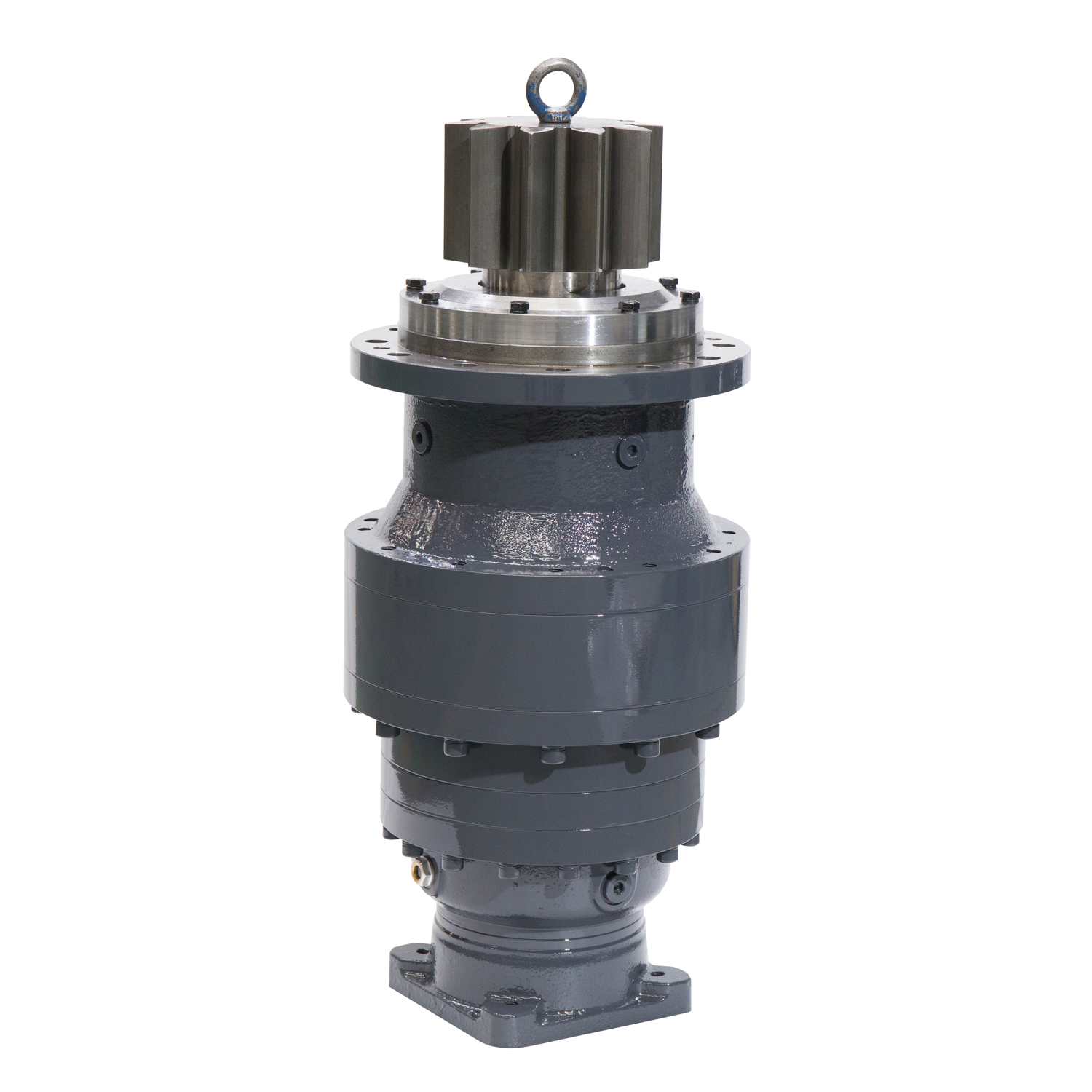
Model: 200-885Ratio: 3.15-7800Output Torque :1500Nm-540000NmRating Power :0.25KW-200kwDescription : ...
See Details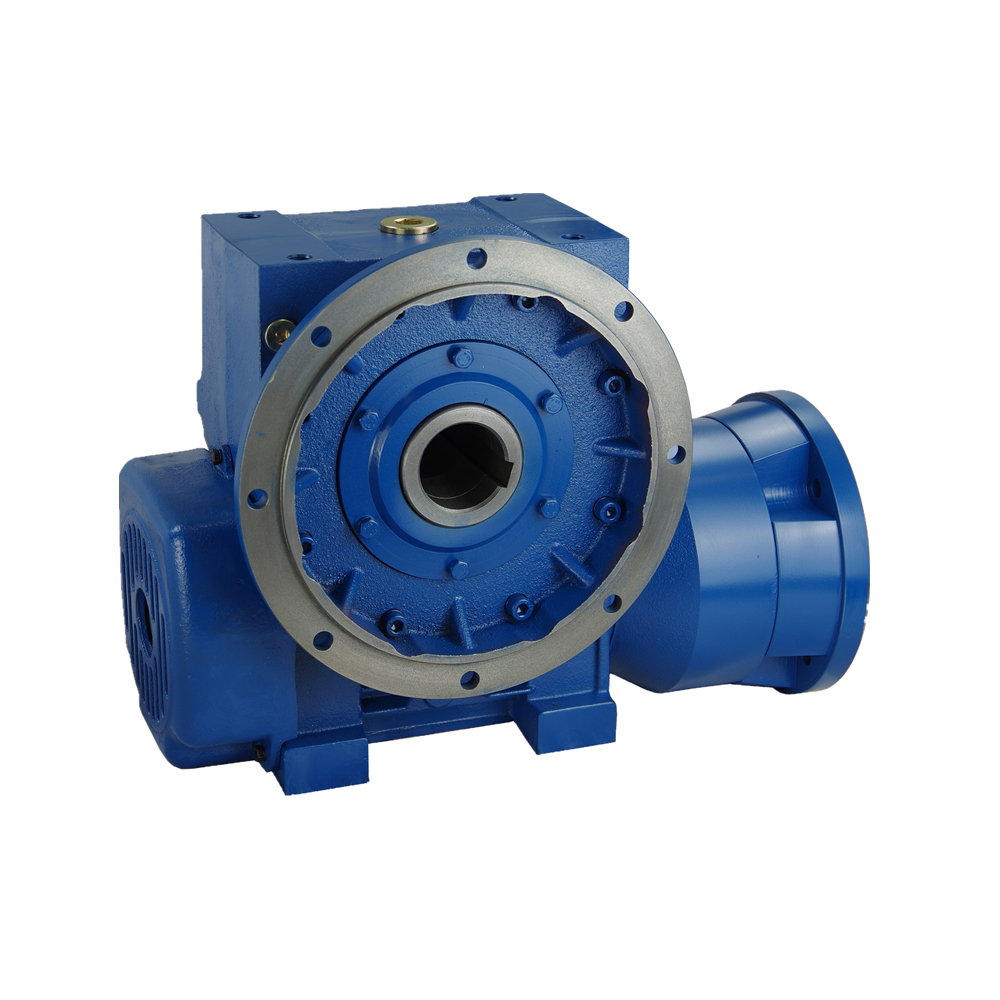
Product Description Series C double enveloping worm gearModel: 100 - 500Ratio: 10 -63Output Torque ...
See Details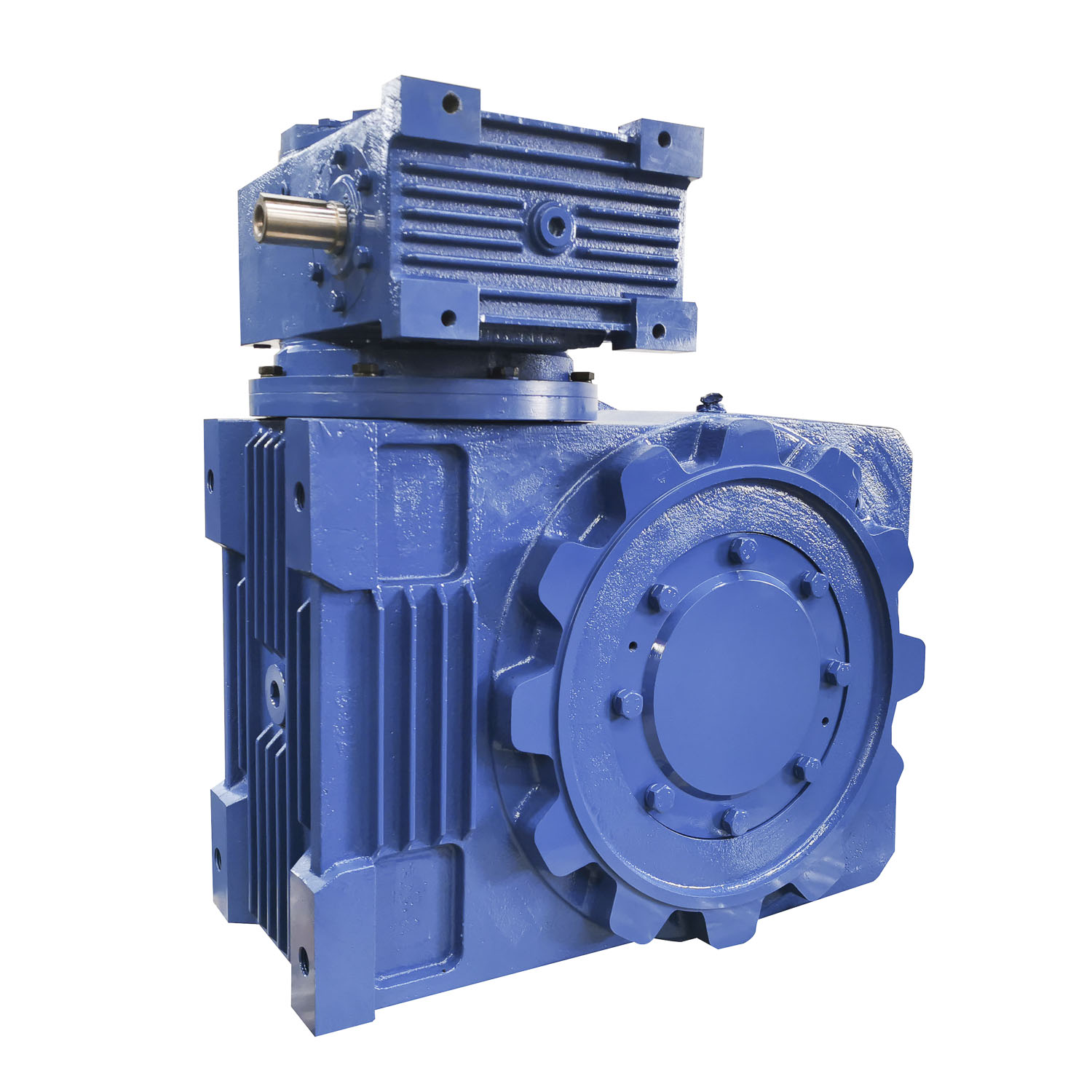
Parameters of SGR's Cast Iron Reducer Double Enveloping Worm Gearbox: Output Torque : 683 - 51180 N....
See Details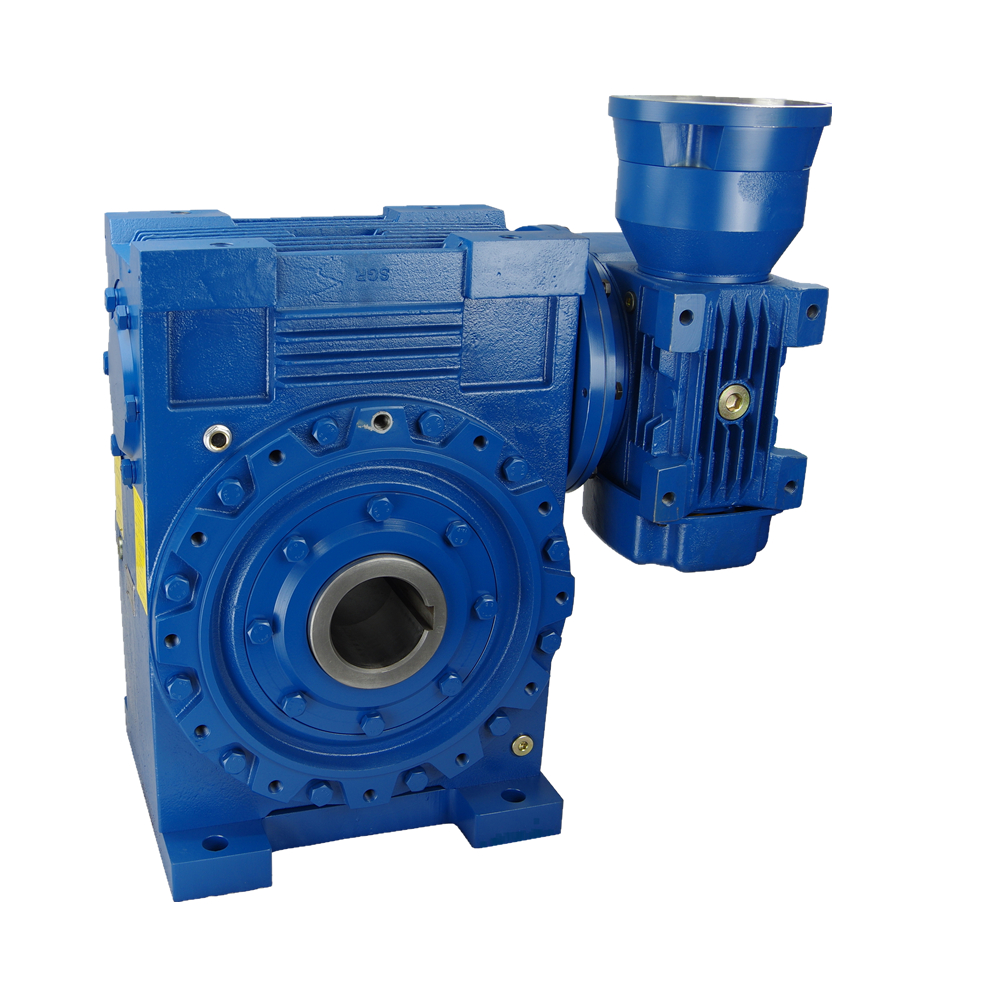
Product Description Series C double enveloping worm gearModel: 100 - 500Ratio: 10 -63Output Torque ...
See Details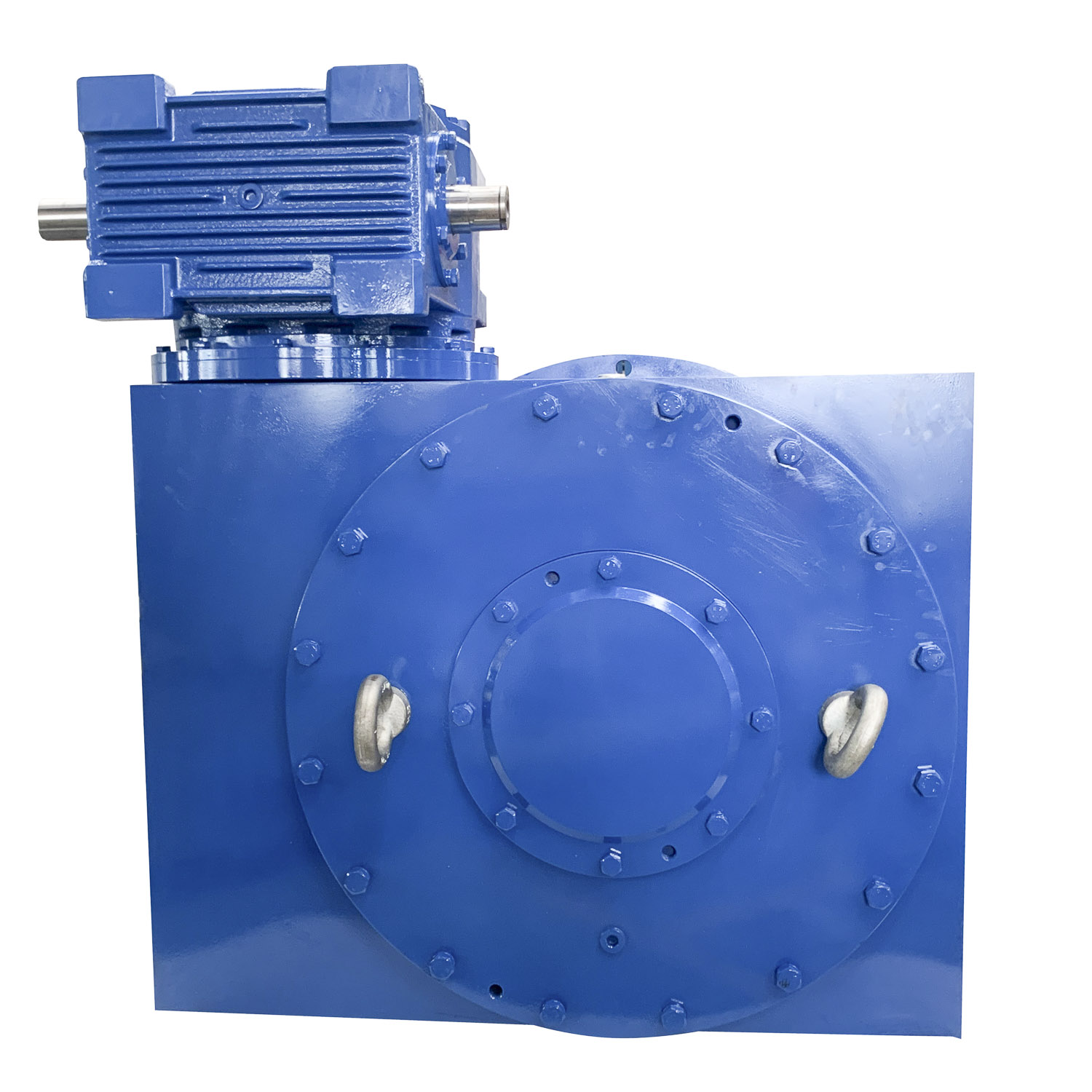
As one of famous double enveloping worm gear manufacturers,SGR's double throated worm gear has adva...
See Details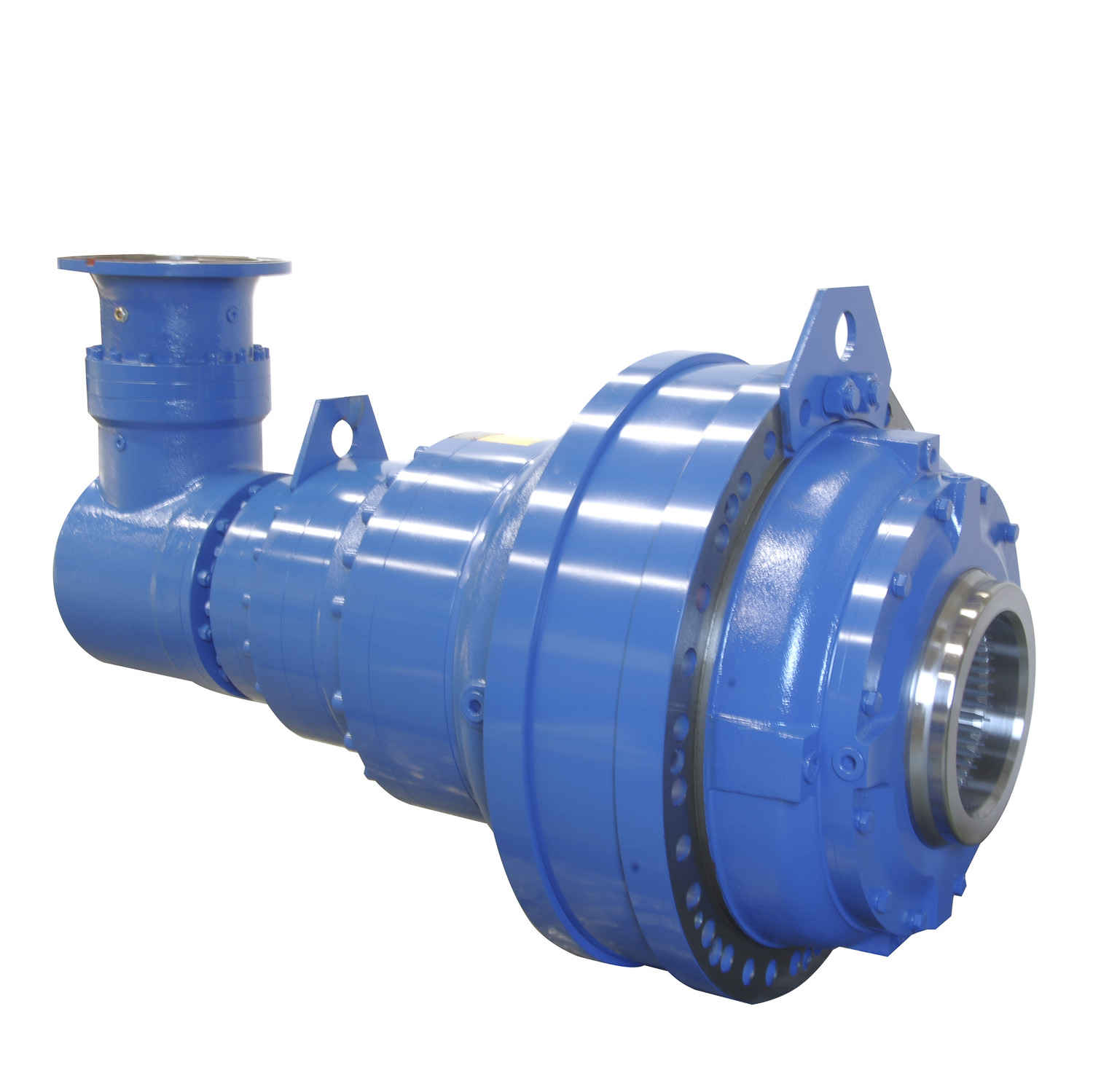
Planetary gearbox is produced by modular design, and can be combined according to client's request H...
See Details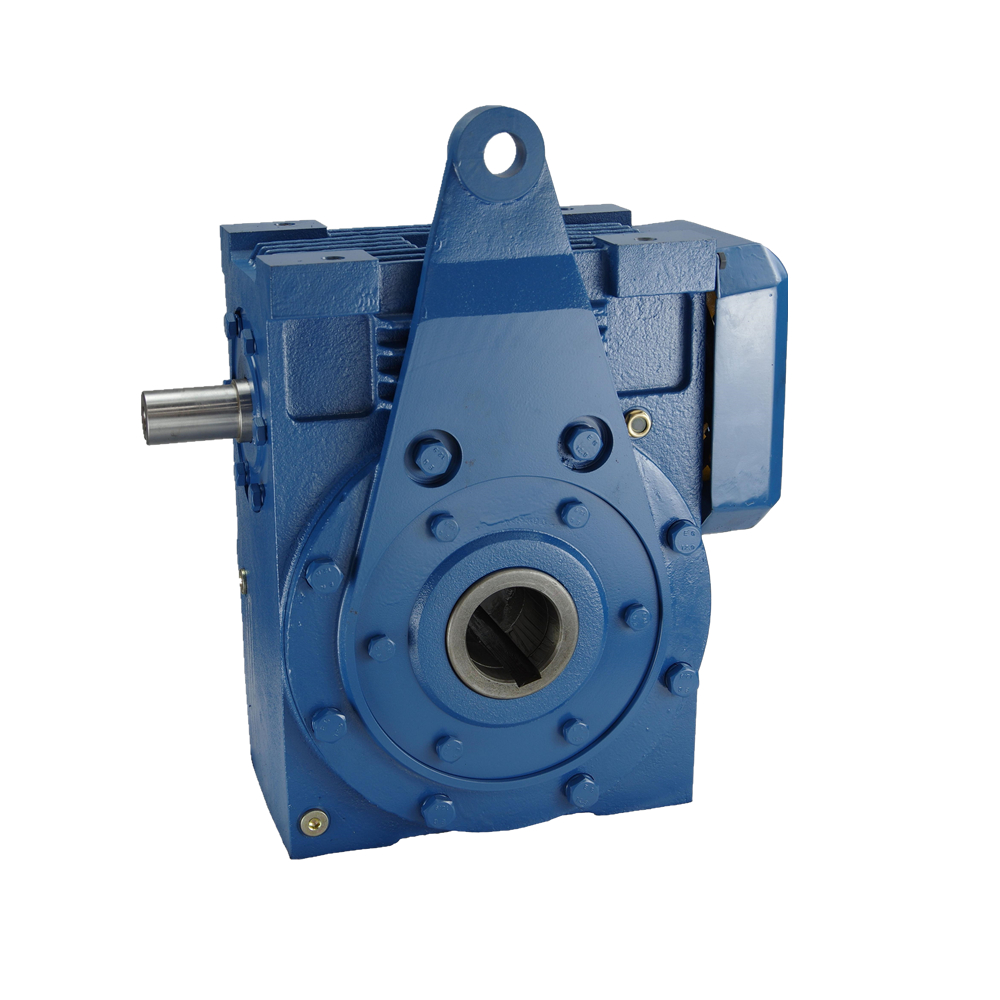
Product Description 1, High torque double enveloping worm gear adjust toughest working condition .2,...
See Details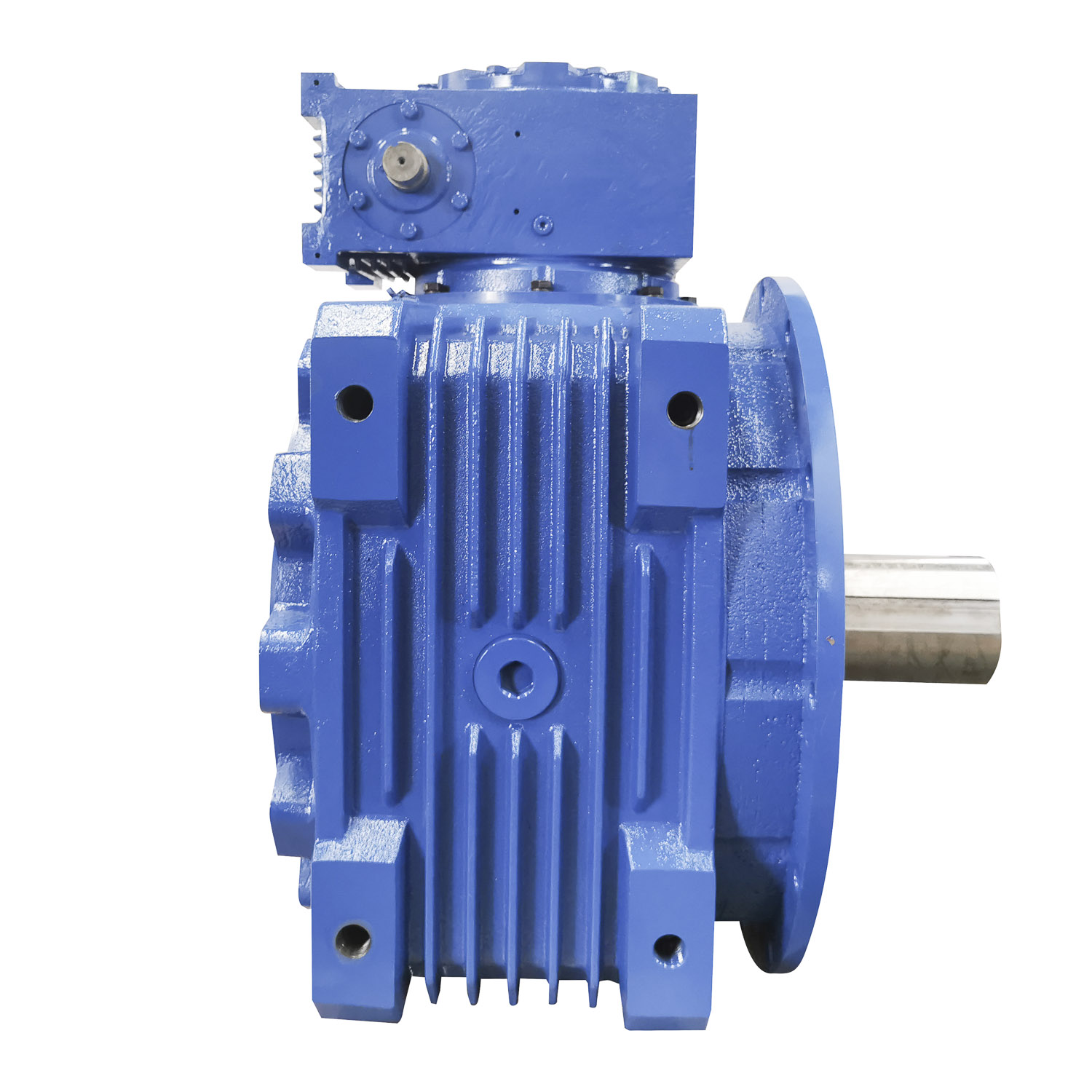
Description :1, High torque double enveloping worm gear adjust toughest working condition .2,Univers...
See Details
SGR is an ISO 9001 certified, DNV-accredited industry gearbox manufacturer since 1996. We supply different gear reducers to brands worldwide.

